All posts by Tom

I'm the guy who writes the blog...

An early present?

Today’s post was a little late, eh? I’m actually about ready  to go to bed.

The reason why I am so late is that I had my ‘maiden voyage’ (as the nurse put it) into one of the routine rites of getting older… Let’s just say it involved a liquid diet, some medication and a touch of  anesthesia.

I was kinda woozy for most of the day, but I was good enough to take a visit from a neighbor on the other side of the block. He’s a fellow woodworker – actually, more of a tinkerer. He and his wife have moved quite a few times in the past few years, and he was getting tired of hauling everything from house to house. He asked me if I was interested in getting one of his old tools.

Free tool?  Of course!
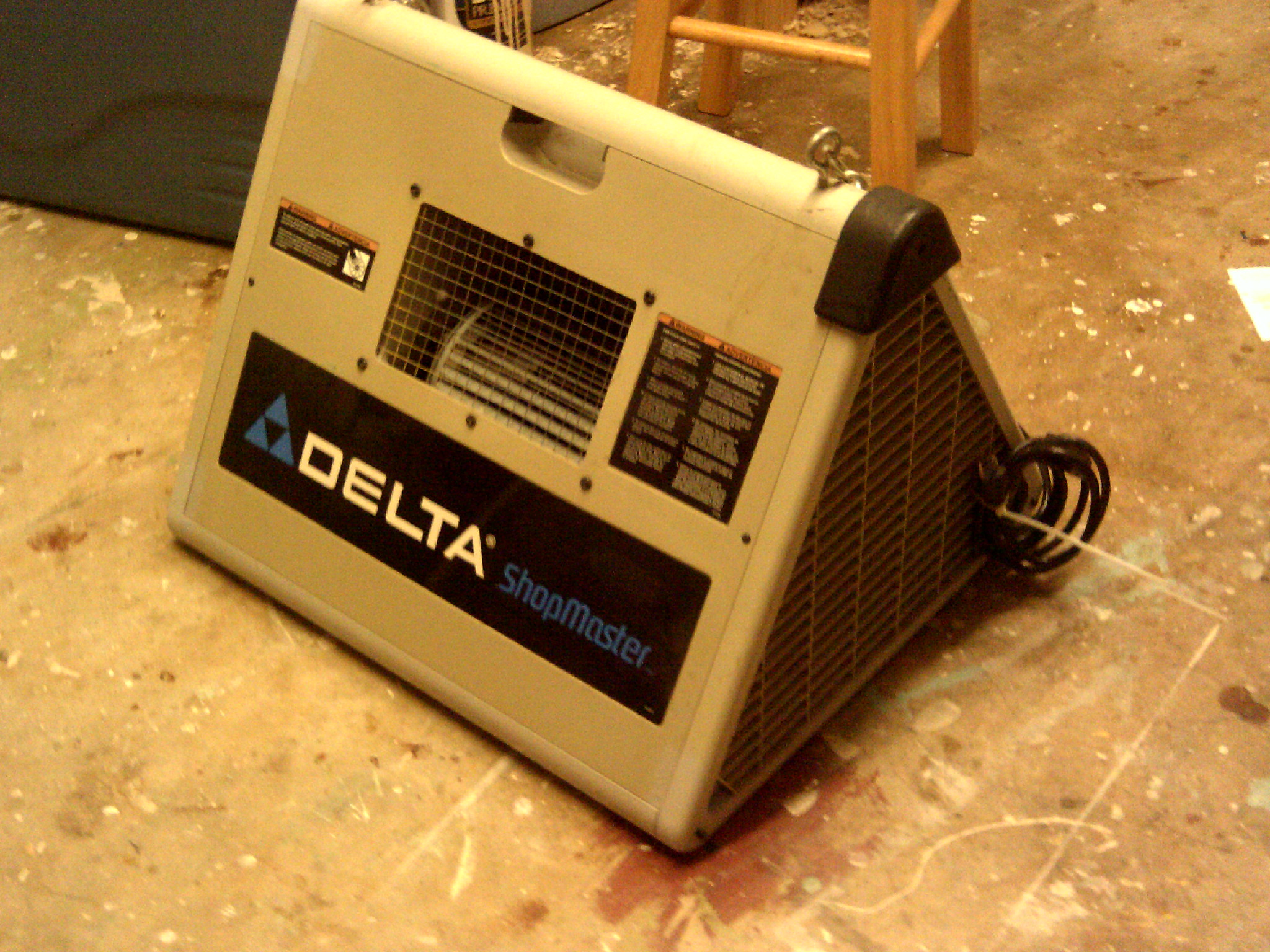
It’s a Delta Shopmaster AP100 dust filter. According to the specs, it can pull 450 cfm of air through the filter, capturing the fine stuff that gets airborne. This isn’t the kind of tool that I would buy for myself, but, judging from the dust on my tools and shelves, I’d say I could probably use it.

It’s in pretty decent condition, with a few dings and bangs. But, I plugged it in and it drew a lot of air.  Fairly quiet unit as well.

The added bonus is that is has a light on the bottom.  Actually, a pair of florescent lights run on a pull chain. Maybe not bright enough for me to move to the bench, but, hey, I have a good place for it near my air conditioner.

Not what I had planned on writing today, but, hey, it’s always good to welcome some new tools!

Now, for a something completely different – if you are member of the Wood Whisperer’s Guild, check out the profile Marc Spagnuolo did on my workbench. It’s kinda interesting.. and I discovered that when I take pictures in my shop, I need to clean up!

Not a guild member? What the heck are you waiting for?  Marc runs one hell of a show there on the Guild, and your membership lets you in on some exciting members-only content. With the holidays RIGHT UPON US – maybe it could be that last minute gift that pays dividends all year!
 

Quick Poll

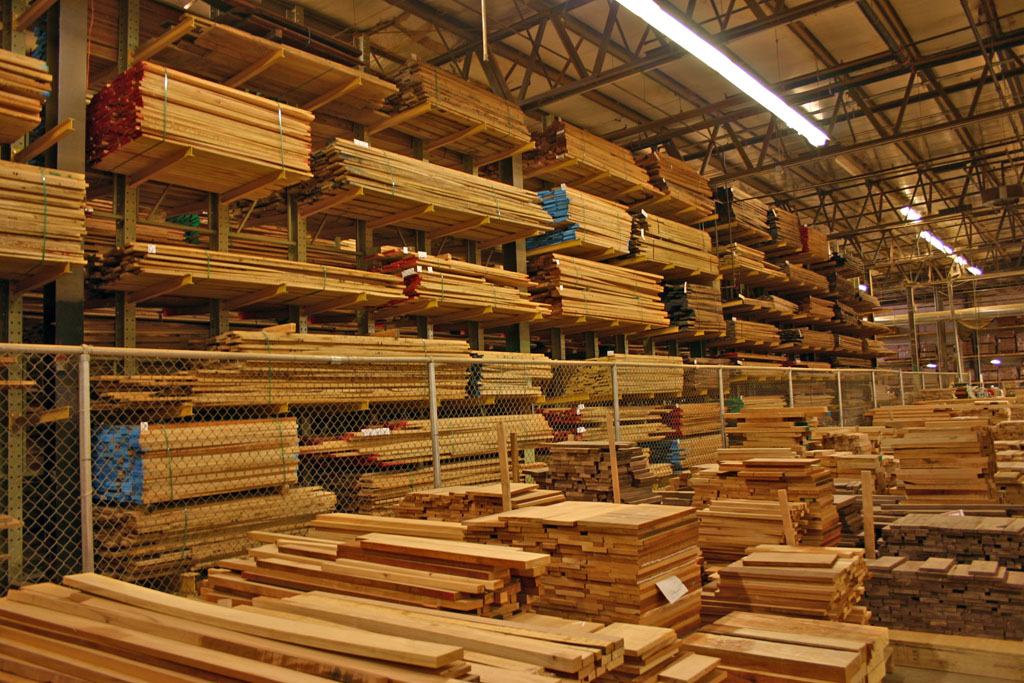
The plans have been drawn up. The tools have been sharpened. The shop has been prepped.

The only thing you need to do is buy wood to build that special project.

Now, where will you get the wood from?

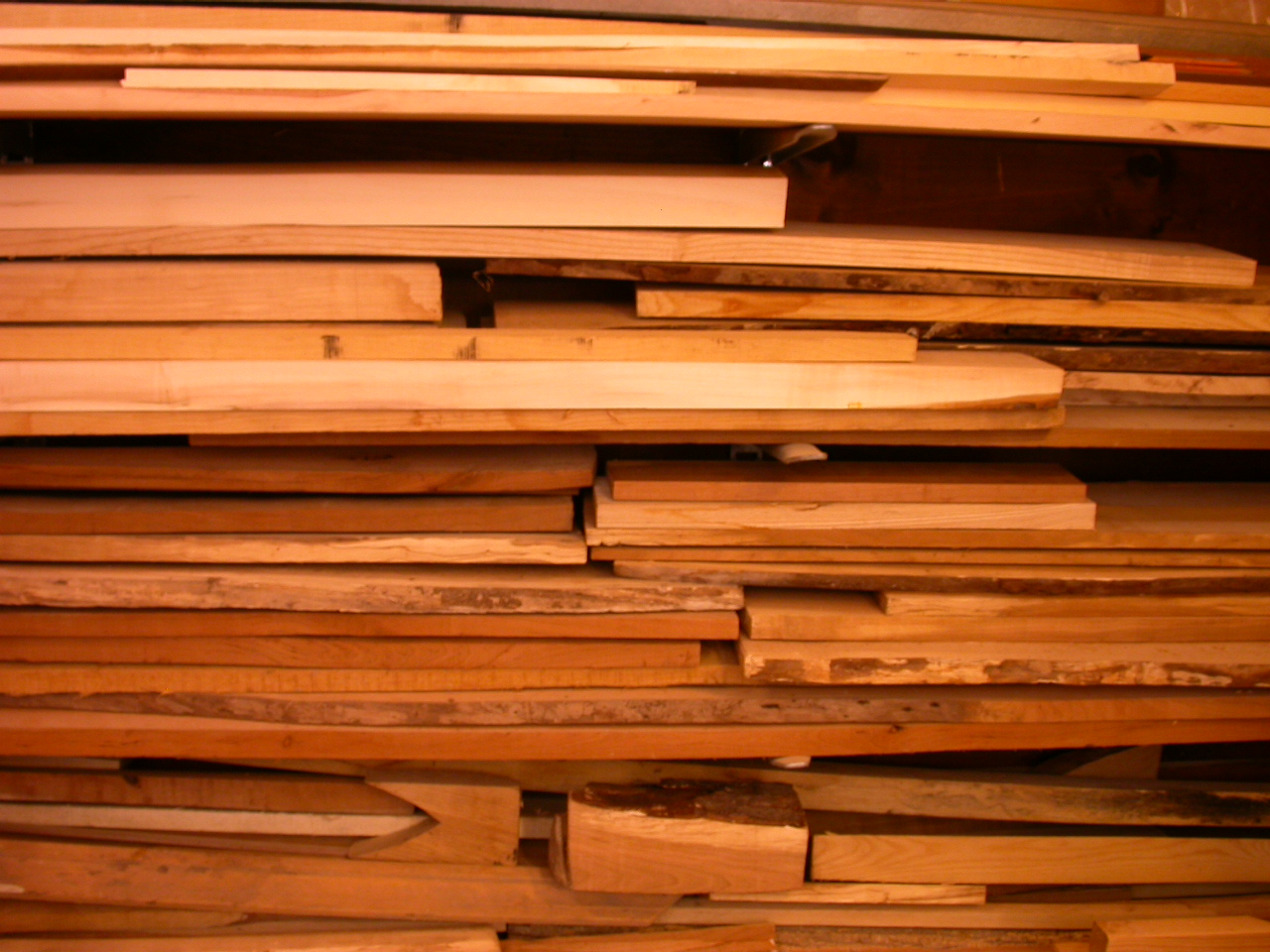
In years past, there was little choice – all lumber was bought locally at a hardwood supplier, construction yard or at a local sawmill.

Today, the Internet offers a tremendous variety of sources to choose from. Whether you look at an online auction such as eBay or find an online provider, your purchasing options are seemingly limitless.

So, this week, let us know if you have ever taken the plunge and bought your lumber online.

Link of the week

Wood Barter

Where I live, I can find all kinds of wood I couldn’t find (easily) when I grew up in New Jersey. And, I’m sure that woodworkers in Washington state, Arizona, Australia or the United Kingdom can find woods that I’m going to struggle to get my hands on.

Wouldn’t it be a cool idea to have a forum where people could connect to swap their local woods to get someone else’s local woods in return?

That’s exactly why the Wood Barter forum was created. In this community, you can find people who want to trade, sell or barter for wood. There are also tips on felling and milling trees as well as drying your lumber – for the extreme do-it-yourselfer.

The site is free to join, and it provides an interesting look at some really sweet boards.

The sawblade parade

One day, I hope to have minions here at Tom’s Workbench.  You know, people to go out and do my bidding.

“Saw down that tree and bring me the choicest curly lumber from within!”

“Yes, my Svengali. Your wish is our command.”

Right now, I’ll settle for Iggy not kicking me in the forehead whenever I make a mistake on a cut. I think I may be getting a concussion.

Instead of minions, I have loyal Tom’s Workbench readers who pitch in from time to time.  You remember that guy Paul? The dude who we built the home office system for last year?   Paul has a neat new Bosch portable table saw that he’s fallen in love with.  We were talking about the blades he uses on the saw, and then the thought hit me – Why not do a test of some blades we’ve been using to see how well the cut on a saw with a small motor?  If a blade was going to cause a saw to bog down, this would be one of the saws you might expect to do that.

I loaned him a blade I had gotten from my friends at Infinity tools, he got a selection of blades he had acquired, and with his best tool evaluator’s hat on, filed this report.  Take it away Paul!

I was working on building a thin strip jig and I was doing a lot of ripping to dial it in. I had some time so I thought I would try out the blades. I tried 4 different models and ripped ¾” southern yellow pine as well as 8/4 Lyptus. All of it was done on my Bosch table saw. The blades used were:

  • Stock Bosch 40T thin kerf – To be fair, I only use this blade to cut plywood and pressure treated. It cut OK but left a lot of fuzz and was slow cutting especially on the Lyptus.
  • Freud 30T Glue Line Rip full kerf – This is a 4-year old blade that was sharpened about a month ago. It cuts better than the Bosch and leaves a clean edge but it left a bit of burn on the edges.
  • Forrest WW II full kerf – This is an almost new blade. It cut fast, clean, and mirror smooth on the edges. There’s a reason everyone says this is a great blade.
  • Infinity Super General thin kerf – This was new out of the box. It cut fast, smooth, and clean. The edges were slightly worse than the WWII but, frankly, the difference didn’t matter. This blade cuts really well. Since it fits my riving knife better, this is likely to become my “go to” blade.

The Forrest cuts better but the difference is in no way worth the money in my opinion. Wish I had known about Infinity when I bought my WWII.

There you have it, folks. Thanks for the review Paul. Oh, and he also reports that he now has an overabundance of paint stirrers, so if anyone wants to go to Paul’s house and become his painting minion for a weekend or two, I’m sure he can put you to work!


Holding some runners

You know, next summer, the city of London will be hosting the summer Olympics.  Since I saw my first Olympic games (the 1976 Montreal games), I have always been fascinated by them. I mean, how else can you get that many folks together from around the world without all the diplomatic saber rattling?  OK, there were a few boycotts through the years, but for the most part, they have been peaceful affairs.

I’m looking forward to seeing the competition. The swimming. The diving. The biking. The crazy sports. (When the games were in Atlanta, my brother went.  He said he couldn’t get anywhere near the track and field, basketball or volleyball events, but it was a piece of cake to get into the judo and weightlifting venues.)

One of the events I look forward to is the marathon. The men’s race is the last event of the games, and both the men’s and women’s races are interesting to watch. There’s endurance. There’s determination. There’s a surprising amount of strategy. And, I discovered during the 1984 Olympics in Los Angeles that you can’t help a runner cross the finish line. That’s when Swiss contestant Gabriela Andersen-Scheiss entered Olympic Stadium overcome with heat exhaustion and staggered to the finish line, refusing help all the way.  Talk about an indomitable  spirit.

While Olympic runners can’t accept help, I think most woodworkers need it – especially when it  comes to installing drawer runners. There are many purpose-built jigs you can buy to help make setting runners easy, there is one easy installation method that is so foolproof.. heck, I don’t know if I could foul things up with it.

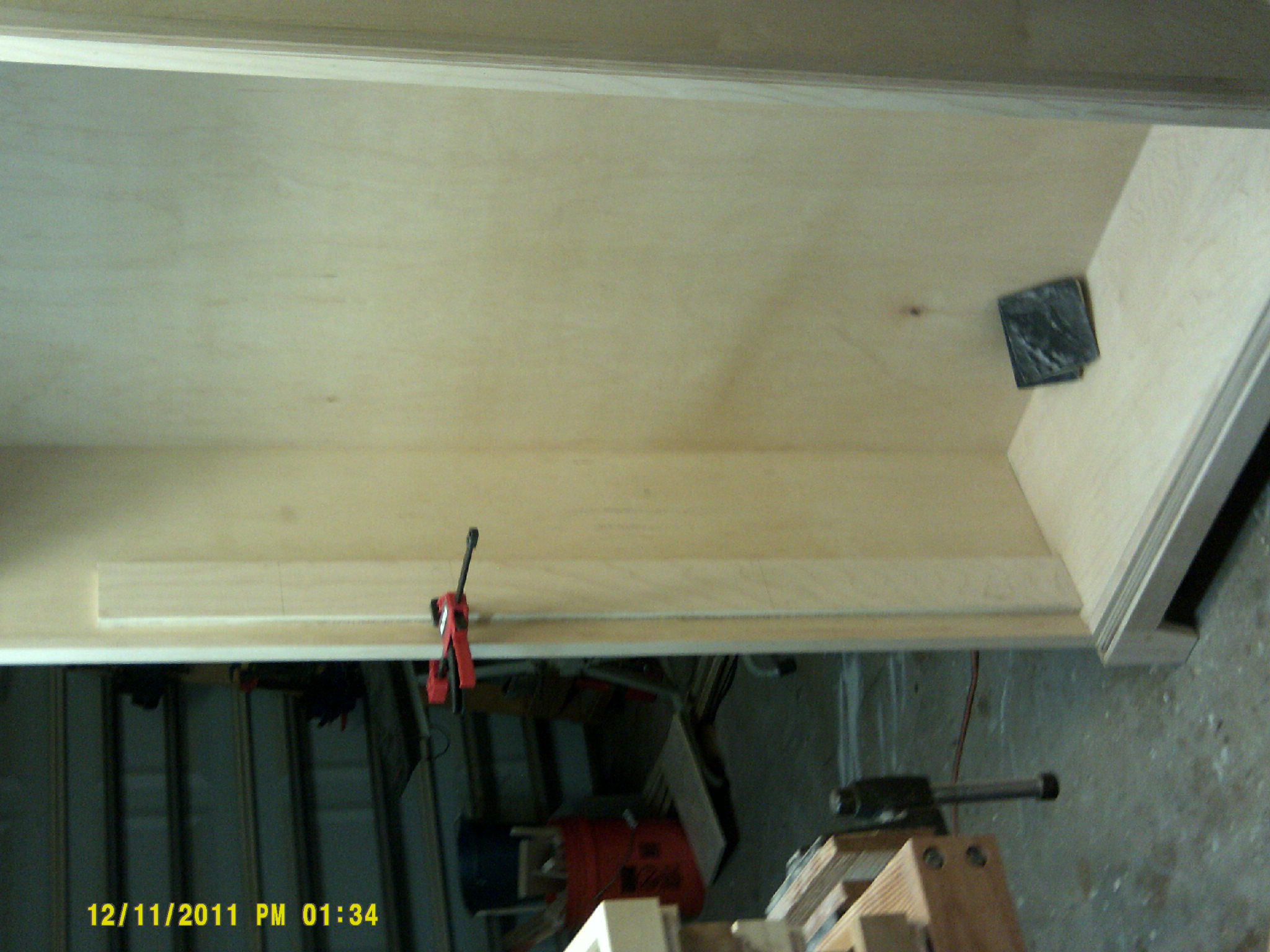
When you build a plywood project like the pantry I’m building, you end up with a bunch of odd sized offcuts. Some are very small, while others can be long and narrow. I found a piece of 1/2 inch ply that was about five inches wide and six feet long. That was going to work for what I was doing. I took the piece and crosscut it to a length that represented the distance from the floor of the piece to the bottom of where I wanted to bottom of the uppermost drawer runner to end up.  I marked out the heights of where I wanted the other runners to end up for later, and clamped the plywood strip to the inside of the case.

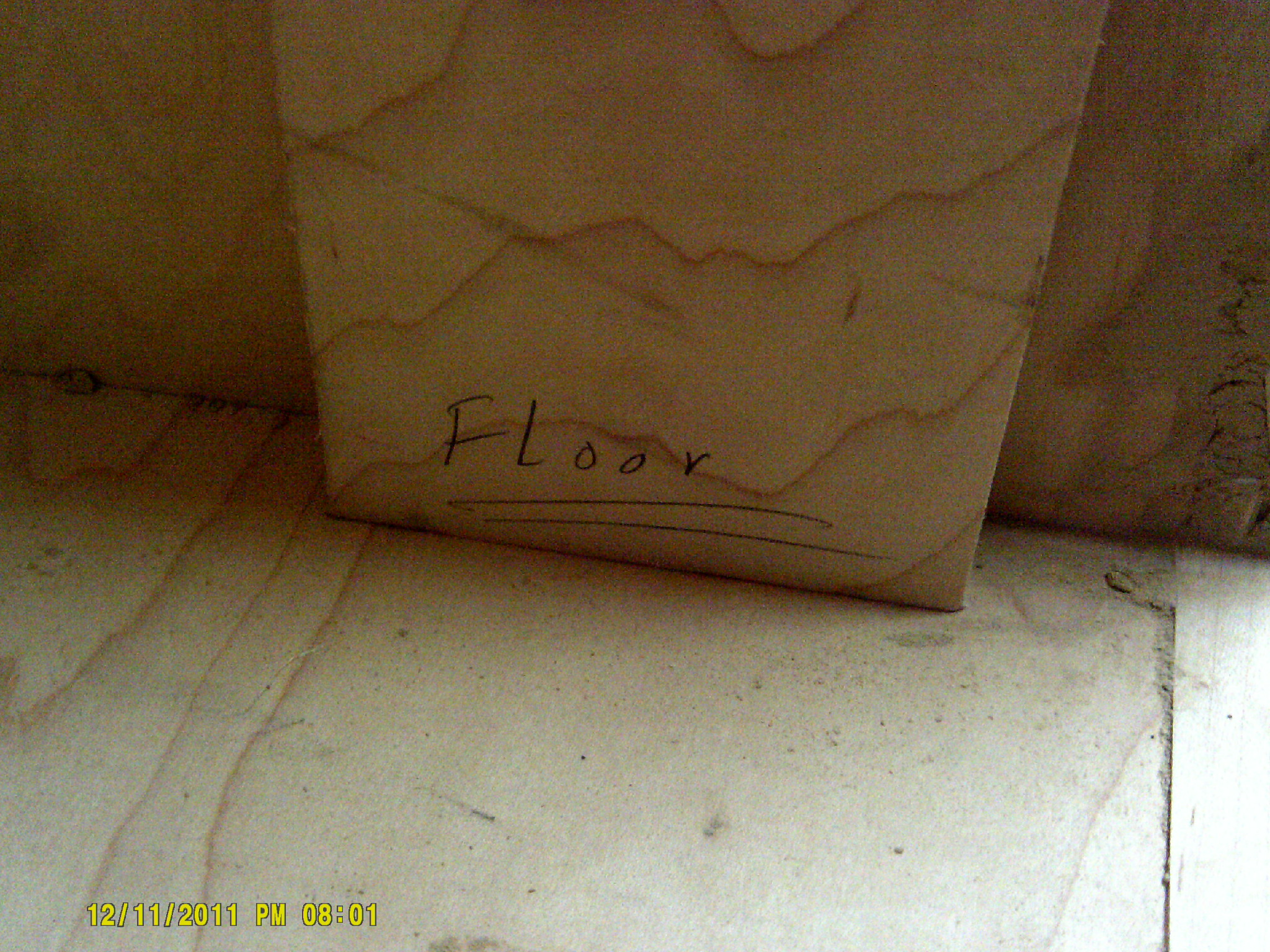
Of course, you want to orient the jig properly as you work with it, so, it pays to mark which end is up on your strip. Trust me, pencils are cheap, and it’s better this way.

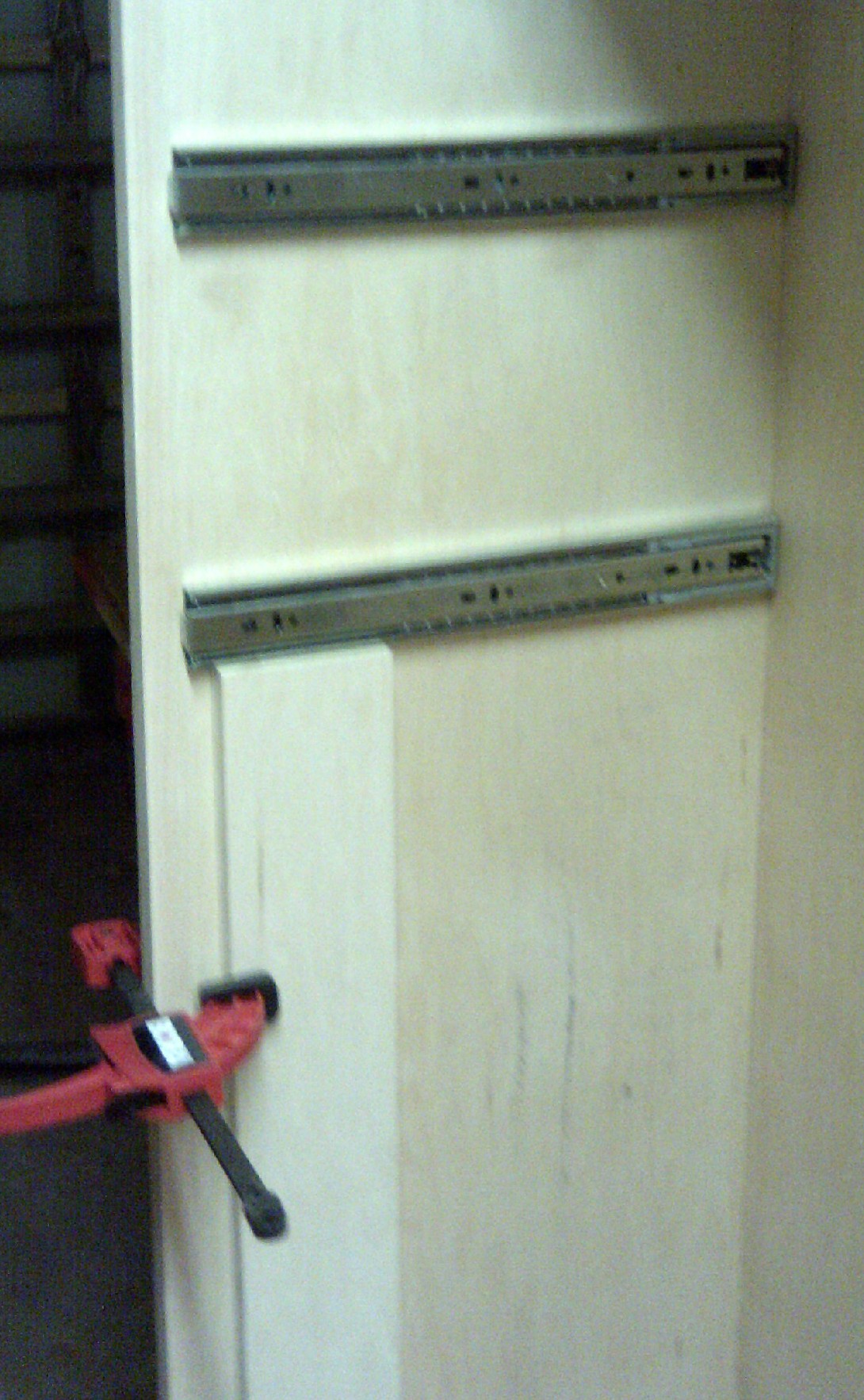
Once I had it set up, I laid the part of the runner that connects to the case side on top of the strip and screwed it in place. I then moved the jig to the other side of the case and attached the that side’s runner there.

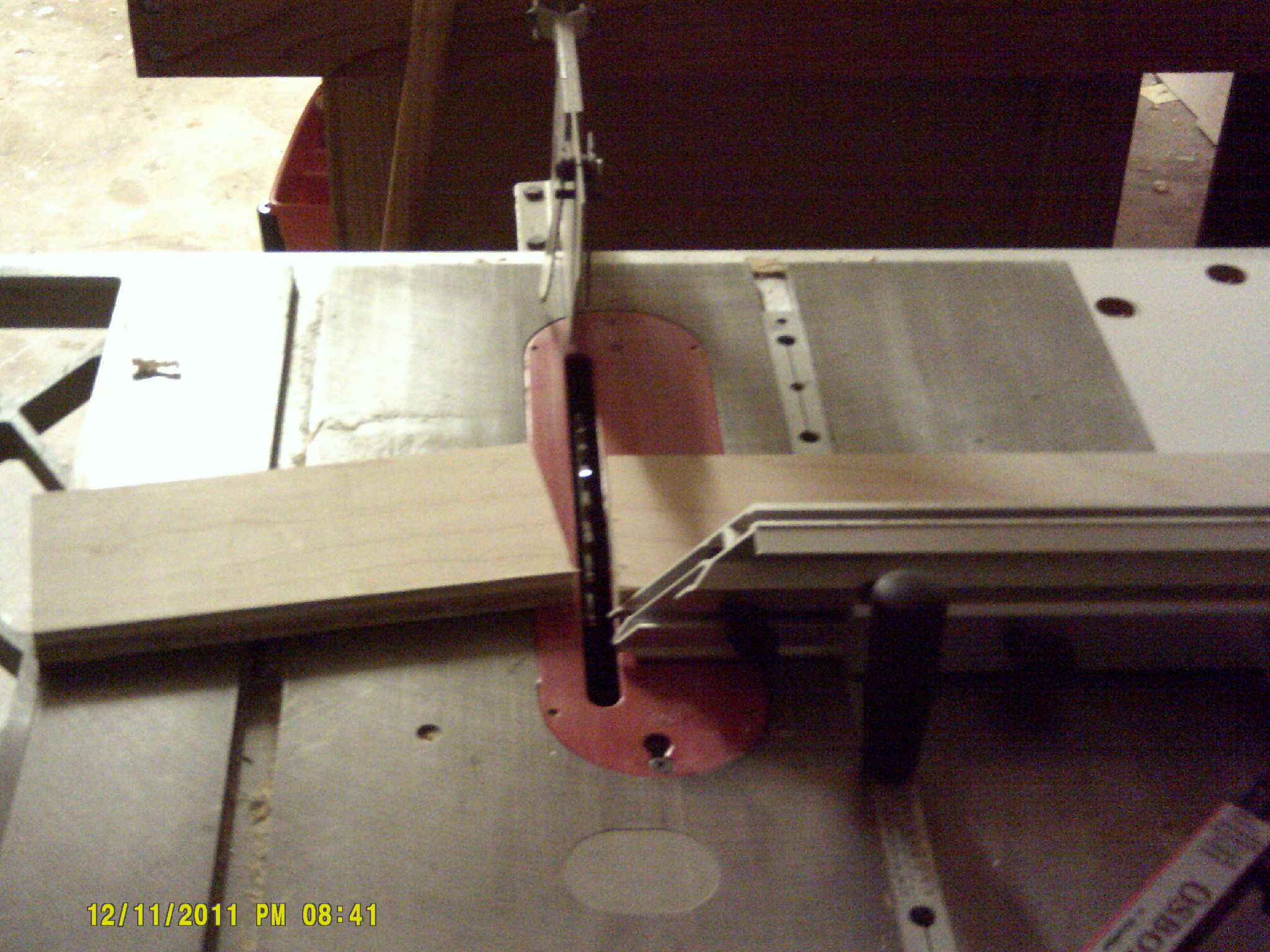
The next step was to head back to the table saw, carefully line up the cut mark with the blade and crosscut it to the new length where the next lowest runner was going to have to be mounted.

The next steps are very repetitive. Mount both runners on the two sides of the case, cut the jig to the next level and you are off to the races.


This method beats the tar outta measuring, marking, cursing and the other fun and excitement I have experienced over the years trying to do this stuff. And, if you aren’t working with a plywood case, you could fish around at an offcut bin at the local home improvement center or purchase a piece of inexpensive particleboard to serve as your guide.

Either way, it’s a simple way to get things right.


Quick Poll

‘Tis the season…

When we build projects for relatives on our gift list.

Sure, there have been years when Aunt Mable wants a cutting board, mom wants a picture frame and your cousin Vinny wants a cigar humidor… and you’ve built individual projects for each.

But, it’s so much more efficient to build one kind of project for everyone.  This way, everyone on the list gets the same item built in steps. You can cut all the pieces with the table saw fence set to the right width, cut mortises with the router bits set to the right depth…  It becomes production work.

So, this week, tell us if you have built multiple copies of a particular project and what the largest number of these projects you built at one given time.


Link of the week

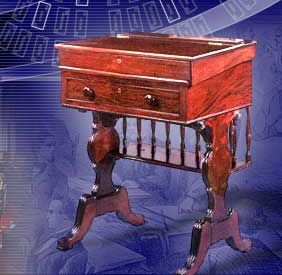
Senate Chamber Desks

Very few people like what’s going on at Capitol Hill these days. Gridlock and partisan bickering seem to be the rule, not the exception. But, you can’t deny something very important… the Capitol is a very historic building, and the furnishings found inside are pretty impressive, too.

Of course, things were different back on August 24, 1814. That’s because the British Army was setting fire to the Capitol, the White House and a bunch of other historic structures while sacking the young nation’s capitol.  Once the British left, buildings had to be rebuilt and furniture replaced. That’s where we pick up with the story of the current desks in the Senate Chambers. New York cabinetmaker Thomas Constantine was commissioned to build 48 new Senate desks for the chambers, and he delivered them in time for the re-opening of the chambers in 1819.

The cost? $34 each…

Today, those original desks, plus 52 similar ones for states which entered the union after the war, occupy the current chambers.  This site offers the history of these impressive desks, and even shows a 3D rendering of how these desks were modified through the years. An interesting read.