Woodworking Spotlight: Michael Iovino

So, you are visiting Tom’s Workbench looking for this week’s quick poll…

But, you aren’t going to see one here today on Father’s Day. Sorry ’bout that… you can count on one for tomorrow.

Instead, I want to focus on a very special woodworker who gave me the inspiration to get involved in woodworking in the first place – my dad.

He is the youngest son in a family of seven children and he grew up in an Italian American neighborhood in Fairview, New Jersey. Taught the value of hard work from a very young age, he worked to help support the family while in school.  And, as soon as he was old enough, he enlisted in the United States Marine Corps, serving during the presidency of John F. Kennedy and the Cuban Missile Crisis.
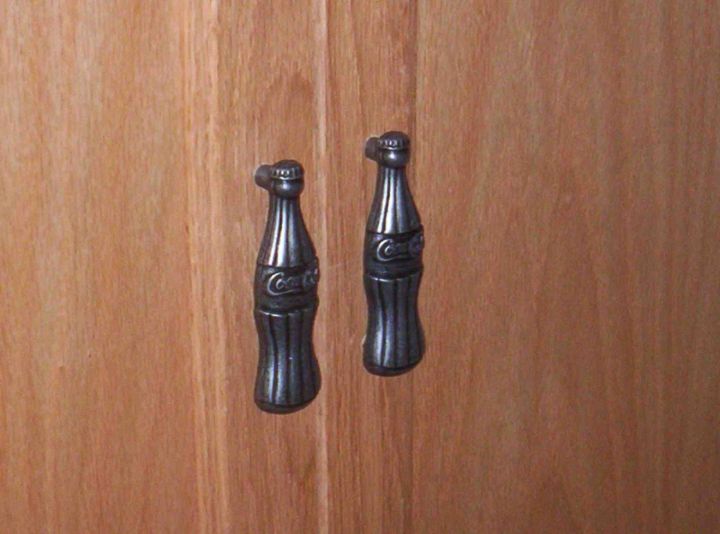
After his honorable discharge, he married my mom and started work delivering soda – first with Seven Up and later with Coca Cola. Talk about grueling work… dad would deliver hundreds of cases of soda in the rain, snow, heat and cold for more than 40 years.  I never liked helping him deliver soda… the times I did go out, it was back breaking work.  Hauling cases up and down stairs at small convenience stores and eateries.  But, my dad never stopped smiling or engaging folks in conversation.  Even on tough days. Just a genuinely nice guy.

Always industrious, he worked hard to make his home a nicer place to live.  After my parents bought an older home in Ridgefield Park, New Jersey, with the help of several relatives, he renovated the two family structure to get ready to start his family.  Demolition, studding, electric, plumbing, drywall… the guy knew how to do it, or learned quickly.  After the renovations, the house looked pretty darned good.

Years later, we moved further west into New Jersey to a town called Bloomingdale. It was a modestly-sized home that served our family well – when we were just little kids.   But, as my brothers and I got older – and bigger – we needed more room to spread out.  That’s when mom and dad came up with the idea of finishing our home’s basement.

I can still remember the planning phase… wondering why we didn’t just hire a professional to knock the job out and be done with it. That’s where dad’s wisdom and encouragement really shone.  As the materials started arriving at the house for the renovation, he called his sons together and we watched this new show on PBS.  It was called This Old House, and featured two bearded guys with New England accents finishing – of all things – a basement! We watched, while dad kept telling us, “We can do better than these two guys!”

That’s when we hit it.  Sure, the basement renovation took longer than six half-hour shows, but it was far more rewarding than anything else I had done to that point.  My dad likes to take the time to explain stuff to a very fine detail.  In fact, he’s the kind of a guy if you ask him what time it is, he will tell you all about the history of clocks and exactly how to build one.  During the basement build, he showed me how to accurately mark wood for cutting, how to lay out stud spacing, when to nail and when screws are better… all the way to how to properly trim out the paneling to make the final project look sweet.
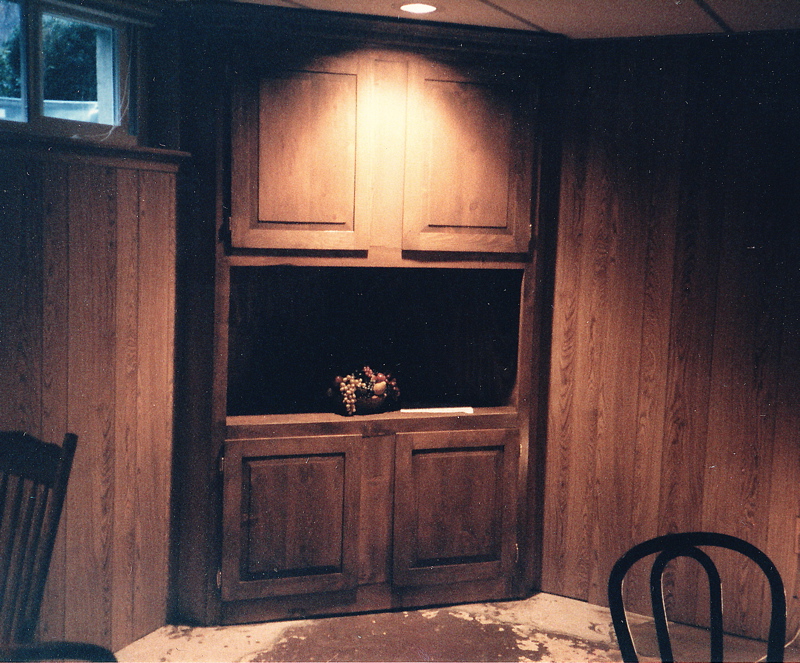

When faced with a challenging corner in the basement, he designed and built a corner entertainment center… much like the one I had built about eight years ago  in my house.  Just a clever idea to use a corner that would otherwise go to waste.

It’s funny how much what I learned during that basement renovation has helped me.  In college, I was asked to be the guy who built the room divider that allowed us to use the dining room in my apartment as a second bedroom. Other people have asked me to come in and help with other construction projects in their homes and yards.
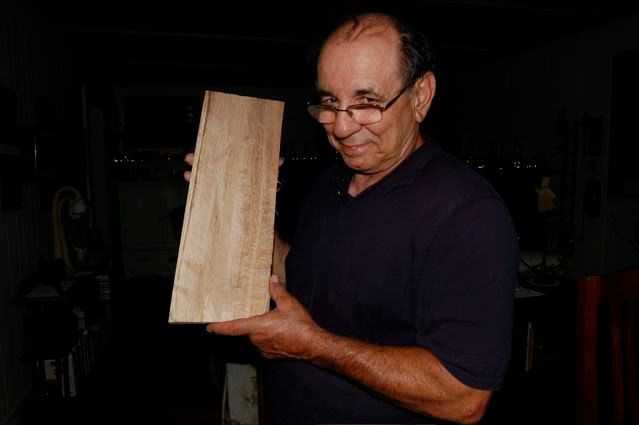
My dad has since retired from delivering Coca Cola.  But, he’s not the kind of guy who likes to sit around. Today, he works as the maintenance guy at Glen Wild Lake, the gorgeous lake that his new house overlooks.  This can involve negotiating with fish hatcheries to get the lake stocked with bass and trout all the way to coordinating the lowering of the lake level to get extensive dock work done.

The one thing that hasn’t changed is his interest in teaching.  He takes the time to teach my sons and my nephews about everything… history, sports … and woodworking.
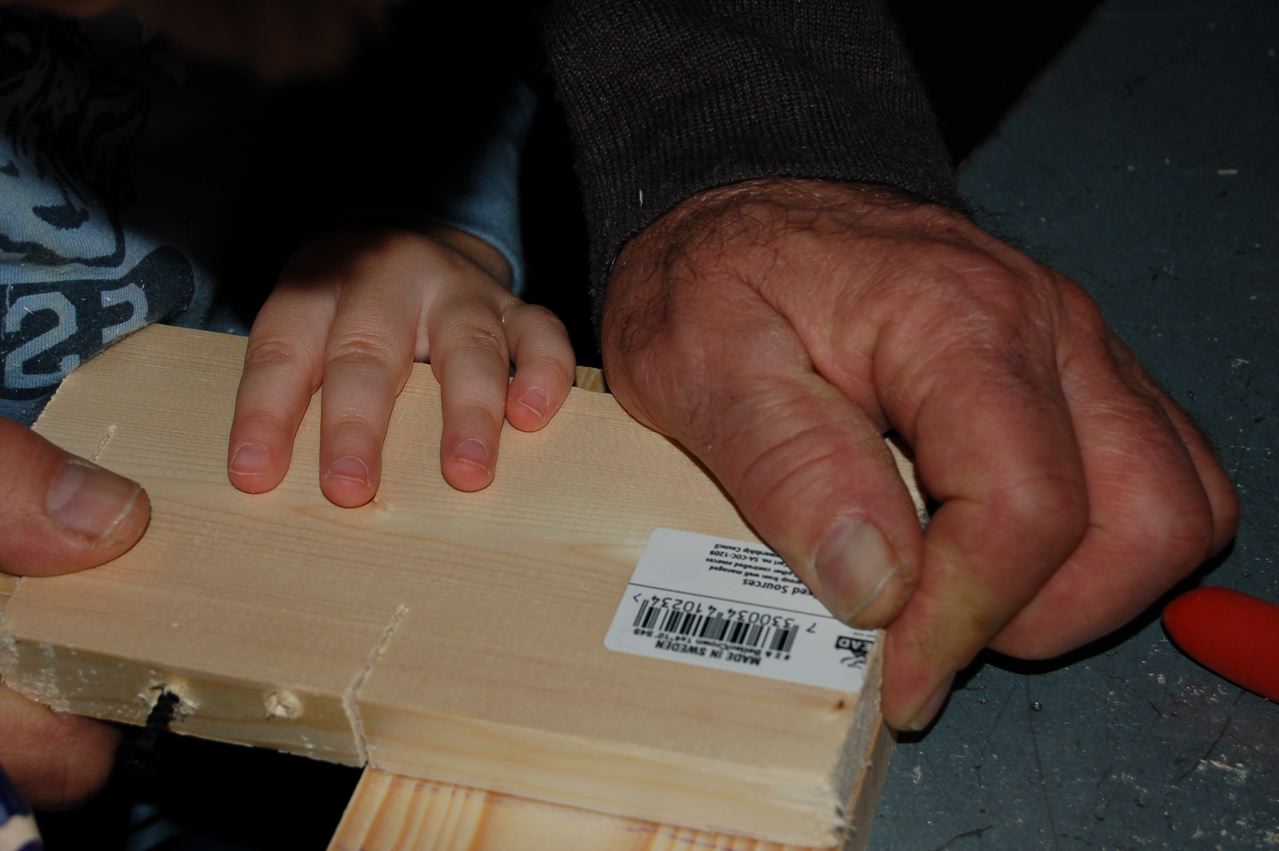
Thanks, dad.  I doubt I would have come this far in life without your teaching, inspiration and encouragement.

Happy Father’s Day to you and all of the other dads out there.
Link of the week

Meisel Hardware Specialties

This coming Sunday in the United States is Father’s Day.  For woodworkers who have kids, it’s a great weekend to get into the shop and spend some quality time with the little ones building some family projects.

But, what to build?  And, what are some of the best tips to follow to make that shop time more enjoyable for everyone?

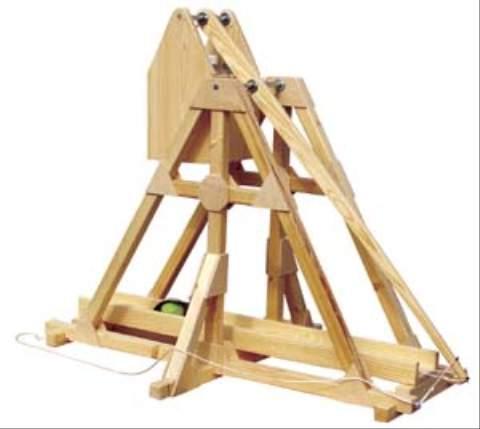
Published woodworking author Paul Meisel may have the answer.  His site offers a wide variety of project plans and the necessary hardware to make your shop session a success.  From the easiest to build birdhouse to something a little more complicated – like a tennis ball throwing trebuchet – give dads (and moms, if they are of the woodworking persuasion) plenty of choices to consider.

Browse the plans… you just might like that togetherness a day in the shop can bring on this special weekend.

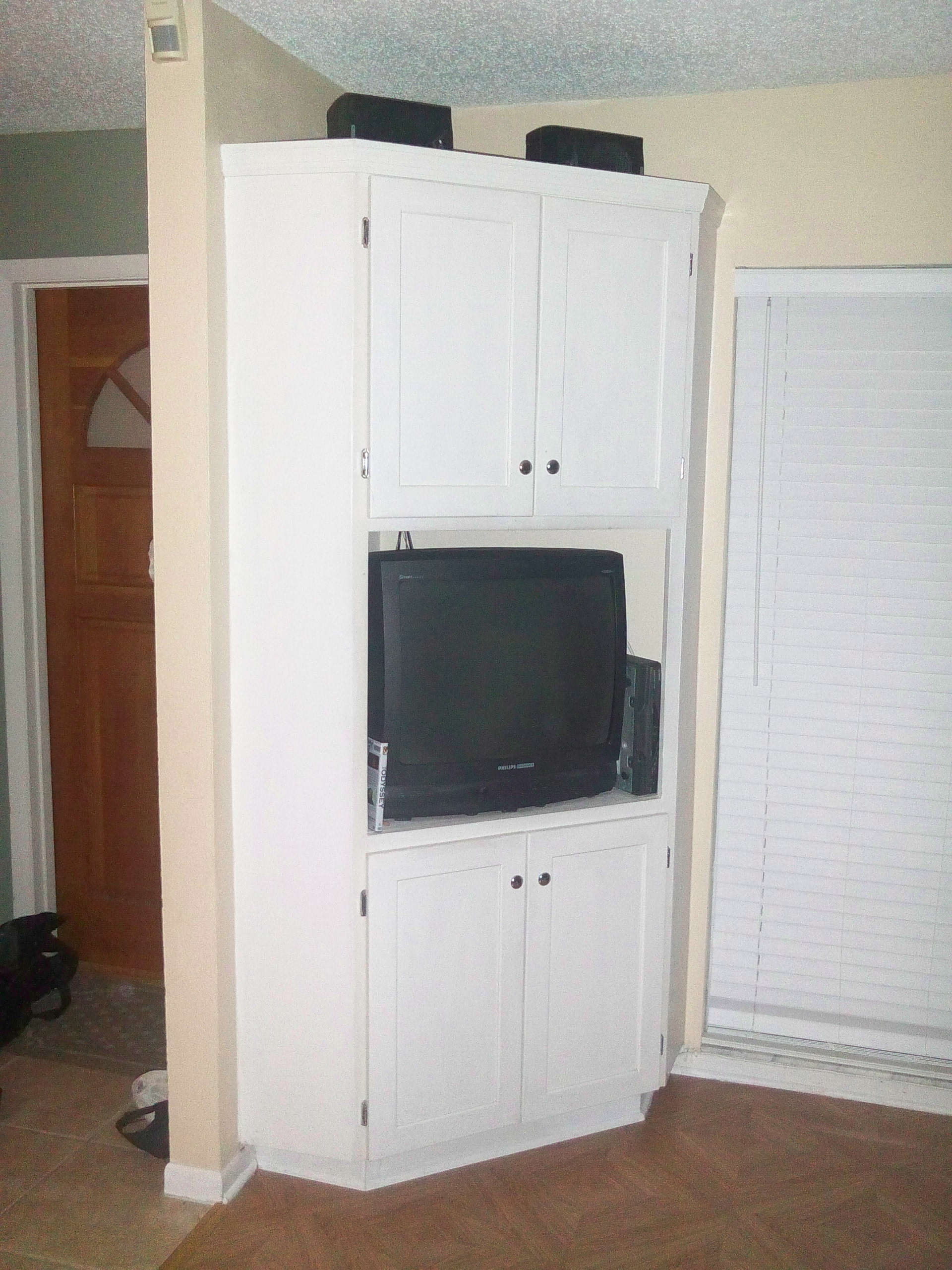
Stuff I’ve Built: The corner entertainment unit

March 2002

You wanna know what’s awkward?

Asking a woman how far along her pregnancy is, and being told that no, she’s not pregnant.

Attending a dinner party at a friend’s house and remembering – right at the front door – that it was actually your friend’s birthday and you forgot to bring a gift.

And, then there’s this awkward corner in my home’s front living room.  It’s a beautiful room with three large windows looking out over the front yard.  There are two solid walls that allow a great place for our uber sweet motion sectional sofa.  And, of course, the ‘fourth’ wall is actually the opening that gives our home a roomy feel.

This means that there is just a very small corner between the windows and a short return wall to place a TV.  Not a lot of space to do anything.  When we were shopping for the house, the former owner used a low entertainment center just placed cocked into the corner.  Very clunky.

When we moved in, we found kind of a semi-circular small TV stand that fit into the corner a little better, but not by much.

What we needed was a piece of furniture.  Something that would fit the corner and hold the TV and much more.

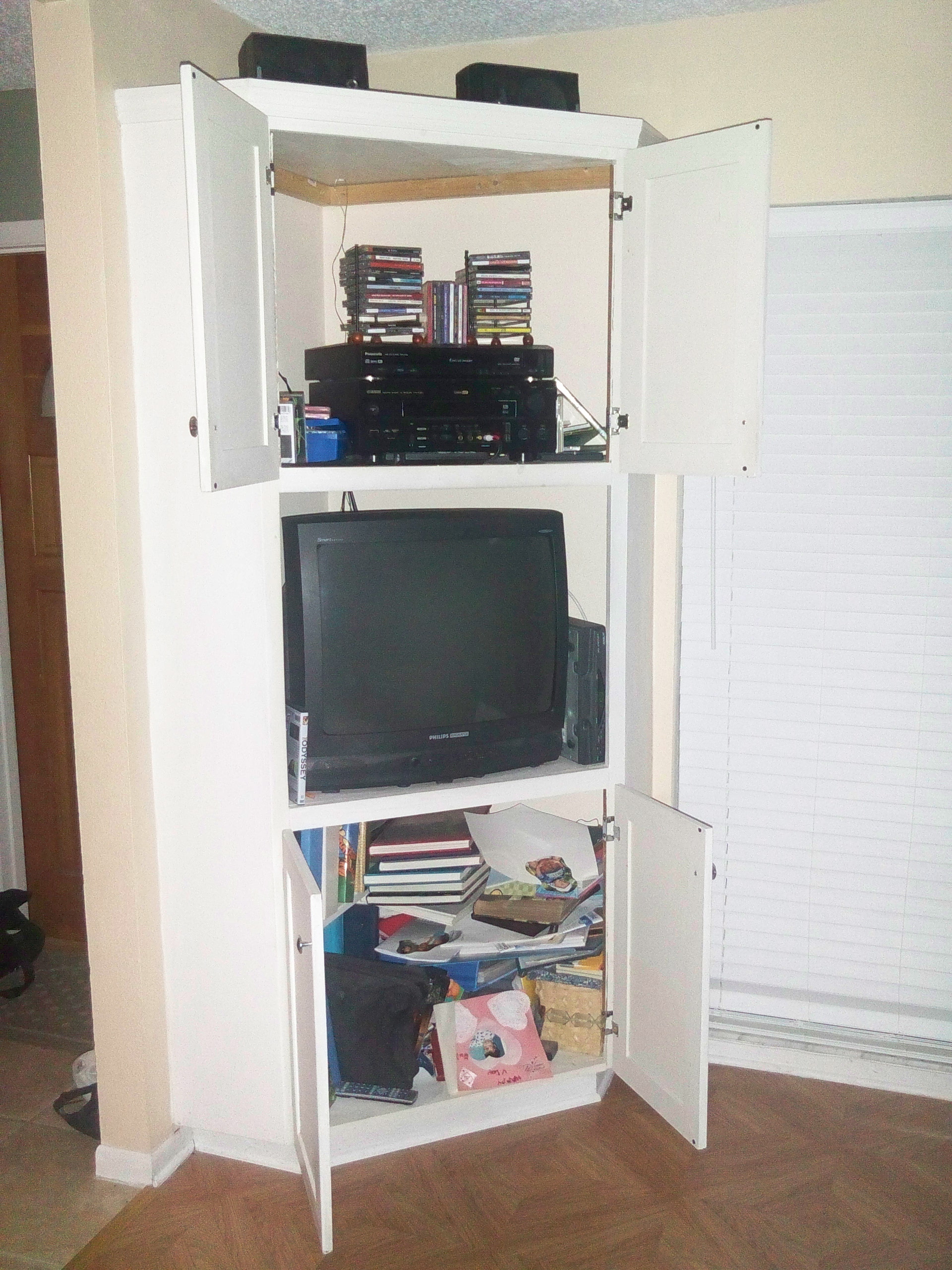
So, this was my solution.  It’s a built-in corner entertainment center that was built as a piece  of carpentry instead of furniture.  The heart of this project is a series of cleats ripped from 2×4’s and screwed to the walls.  These became the supports for the plywood dividers that formed the shelves and top of the piece.  From there, the sides are pine boards joined at 45 degrees.  This was necessary to create the front of the unit while still returning back to the wall.  The face frame was nailed to the plywood edging there primarily for looks rather than support.

These are the first doors I ever built and hung on a project.  I don’t think they look too bad, but, hey, they do the job.

It’s amazing how much this project can hold!  The TV sits in the open middle of the case, all of the audio components are neatly hidden behind the top doors and behind the bottom doors is just about every picture we ever took.  Photo album after photo album are stacked shoulder to shoulder down there, keeping them from overwhelming another area of the house.

The best part is that we took an awkward spot in our home that no one was able to use and turned it into a great storage solution.

Now, this design is kind of interesting.  I know I have seen something like this before in my life… but you will have to wait for a special Sunday edition of Tom’s Workbench to discover who deserves the thanks for this handy design.

You say goodbye and I say hello …

I don’t normally like to part with anything in my shop.  I have tools, gadgets and ge-gaws that I bought, used once, hated and chucked on a shelf to collect sawdust. In fact, one day I really do need to take a full block of shop time, pull everything off the shelves and just make a purge of the stuff I will never use again.

However, there are some times I don’t hesitate to part with items.  I have given a few older routers to friends struggling to get a start in woodworking.  I sold my bench top table saw.  My first drill got cooked while installing hurricane shutters on my house.

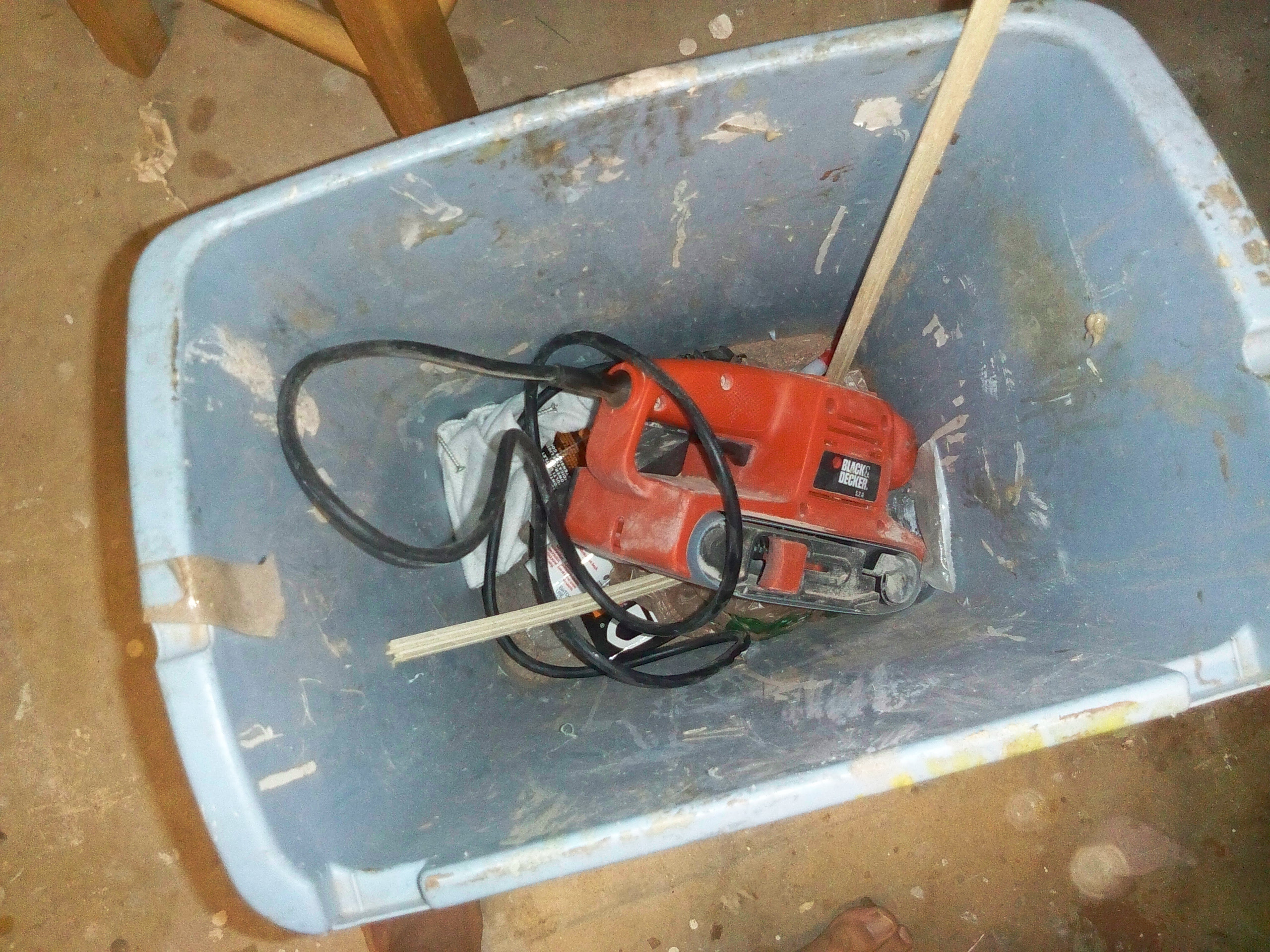
I knew that soon I was going to make another move to dispose of a tool. I have a belt sander.  A Black and Decker light-duty model I picked up at a local WalMart five years ago when I was building a series of banded boxes as Christmas presents.  It worked well for that project, served me admirably for more than a few others.  I eventually came to like the tool’s utility and handiness. It was as if I had made my peace with the tool and was hoping that it would last forever.

But, who was I kidding?  I knew the day was going to come when it was going to give up the ghost.  It was just a matter of time.

I was using the tool to sand down some excess dovetail spline material when I noticed some strange behavior. First, when I hit the trigger, I could hear a clicking as the belt rotated. I removed the belt and replaced it with a fresh one, but it didn’t change. I ran it without a belt on, and still heard the ominous clicking.  Shot bearings? Hmmm…

I also noticed the rate of rotation of the belt would vary… very fast, then slower, then faster.  The motor would struggle during those periods of slow running.  Hmmm…

And, there was no mistaking the scent of burning when I used the sander for a few minutes. Hmmm…

Yeah, the time has come.

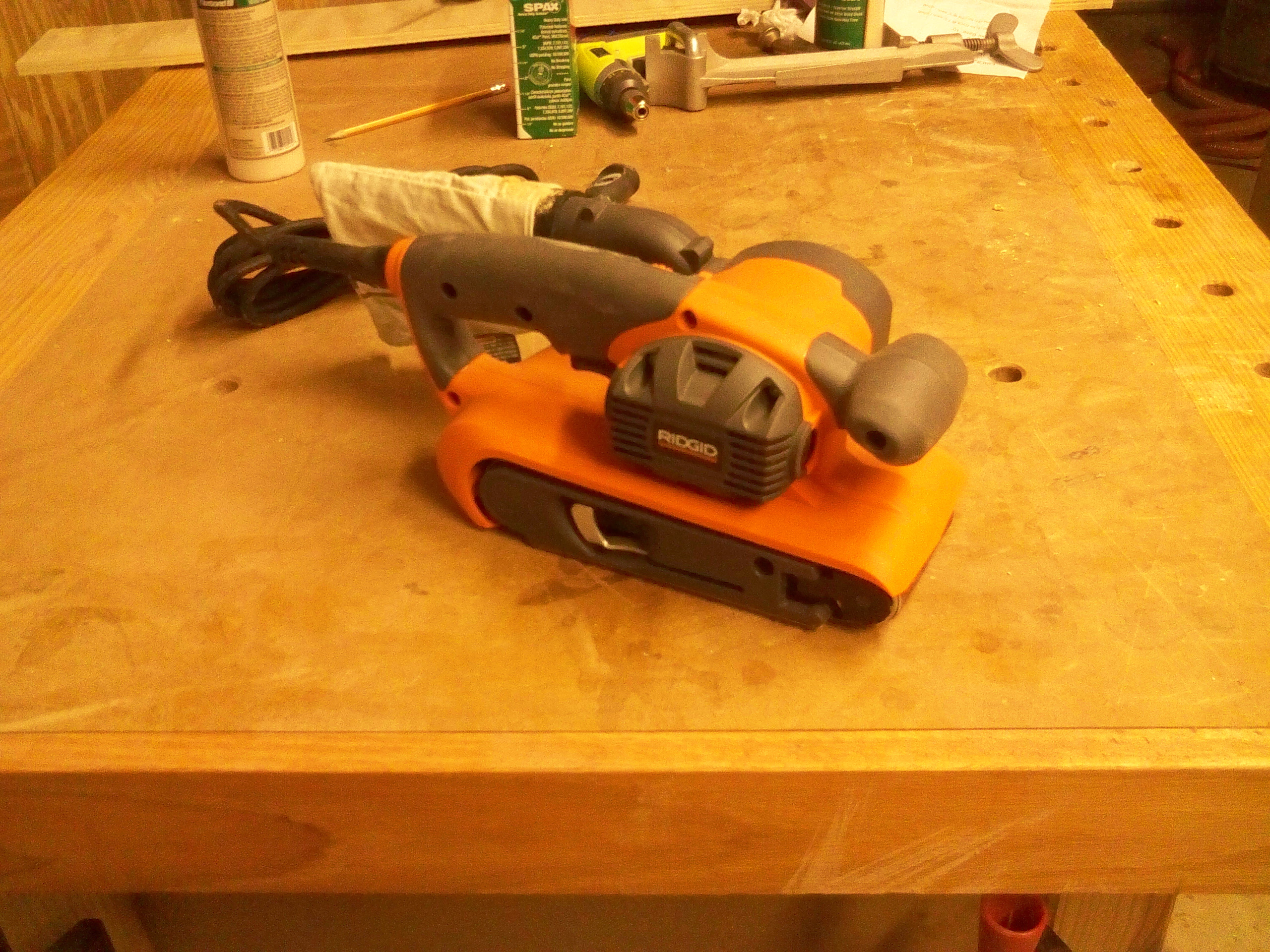
So, I ordered one of these.  It’s  heavy duty Ridgid  belt sander that uses the same size belts as the Black and Decker.  That’s good – at least I’m not wasting any of the belts I have on hand.  It’s heavier that the old one, indicating to me that the motor is beefier.  The dust collection port actually fits a standard reducer for my shop vacuum’s hose.

And, for me, this is my first foray into the world of reconditioned tools.

I was looking at the brand new models, and they were very impressive.  But, for our family’s finances, maybe just a little bit too much – especially as my wife and I look to pay for summer camps for our boys and save for some brief-yet-exciting family vacations.  The reconditioned model was half the price and still had a warranty as long as many as some of the other brands I saw in stores.

I plan on putting the sander to the test soon and giving it a serious work through.

In the meantime, well, sorry, little red.  You gave solid service for a number of years, but the time has come.  It’s time to move on to where good power tools go after a long and rewarding life.

Quick Poll

Ever since Craig Sommerfield brought the first practical pocket hole drilling jig to market back in 1990, woodworkers have been turning to these fast and convenient joints for projects. And, if you listen to the marketing folks at Kreg Tools and other jig manufacturers, it would appear that you could build an entire set of kitchen cabinets in mere hours.

While the joints are easy to make and quick to assemble, many woodworkers question just how effective they truly are.  This week, what do you think about pocket screw joints?

[poll id=”127″]

Link of the week

Shellac.net

It’s one of the oldest wood finishes in existence, is safe for kids and food contact and is surprisingly easy to apply.

Shellac is a very versatile finish that has a place in today’s modern shop.  Whether you simply  use it as a seal coat under another finish or you get involved in a full on French polish, shellac is easy to use, easy to apply and easy to fix if something goes wrong.

Shellac.net is a great resource for purchasing shellac flakes and finding the know-how to dissolve, apply and finish this venerable finishing material.

The Wooden inspiration

Unless you are a big sports fan, you may have missed the passing this past weekend of John Wooden.  Who was he?

Only the most revered basketball mind to ever play or coach the game. He was inducted into the basketball hall of fame once as a player and once as a coach.  Known as the Wizard of Westwood, he coached the UCLA Bruins Men’s Basketball team to 10 national championships. He went 88 consecutive games without a loss, and had four perfect 30 – 0 seasons.

But, to say that John Wooden was an outstanding basketball coach would only be scratching the surface.

No one gets to Coach Wooden’s level of success without learning – and teaching – many valuable lessons.  He didn’t just ‘luck’ into a good program and enjoy the benefits.  His work ethic, determination and wisdom led to his success.

Those lessons translate very well off the hardwood.  Wooden was a much sought-after speaker for universities, corporations and many other groups.

And, I believe that what he had to teach works well for woodworkers.

How many times do we go to our shops looking to build the ‘perfect’ project.  One with absolutely no flaws, no mistakes, a perfect grain match and perfect finish. Or, maybe you are looking to build a commissioned project that will improve your bottom line and allow you to buy more tools.

In other words, you want to be a ‘success’ at woodworking.  But, what the heck is success?  How will you know it when you see it?

According to Wooden, success is the peace of mind which is a direct result of self-satisfaction knowing you made the effort to become the best of which you are possible.  In other words, success is not measured in perfect projects, smiling recipients or the sale of a project.  It’s in knowing you have done the best you are capable of.

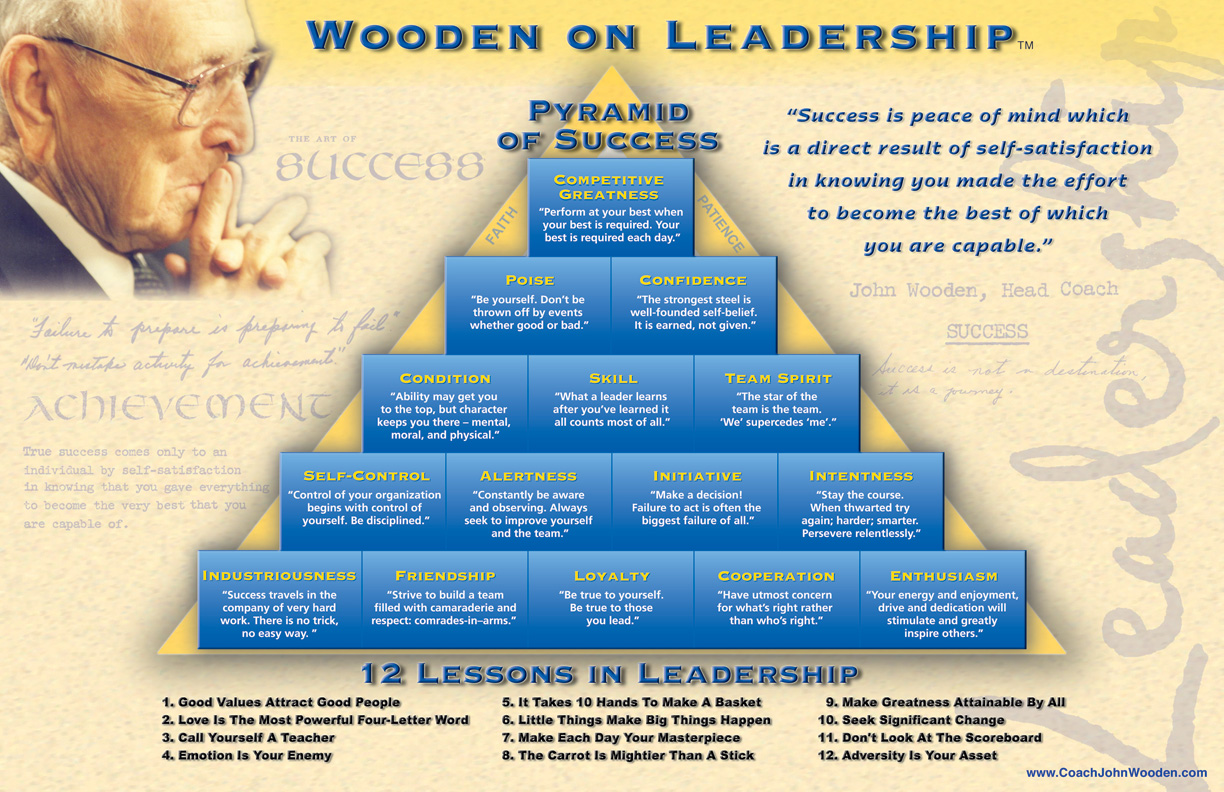
Click on this image to see a larger version

So, how do you get there?  To climb to this zen-like state, Wooden set out a pyramid of success with each block building on the last ones.  Sure, it may look like some BS graphic created by an MBA student looking to get an A in a class, but one thing Coach Wooden did was live this, leading to the success his teams enjoyed.

At the top of the pyramid is competitive greatness – the ability to perform at your best when your best is required.  But, how do you get there?  You need to have poise (the ability to not be shaken when things go against you) and confidence (You have to believe in your abilities).  The only way to get poise and confidence is to condition yourself (get your mind right to achieve the task), develop your skills and enjoy team spirit.

Yeah, team spirit.  An ability to learn from others and share your expertise freely. The ability to work with your family to ensure everyone stays happy so there’s less friction when it comes to working in the shop.  The pyramid goes on from there…

Since I saw Coach Wooden’s pyramid of success, I have printed it out and placed it in my shop.  It’s a subtle reminder to me that I have come far with woodworking, but I still have much to learn and do to truly achieve success.

Thanks, Coach, for what you have done for sport and for life. I’ll keep putting 100% effort into improving myself, just as you taught others.

part of the Wood Talk Online community