Link of the week

Woodworker’s Guild of America: Working with big wood

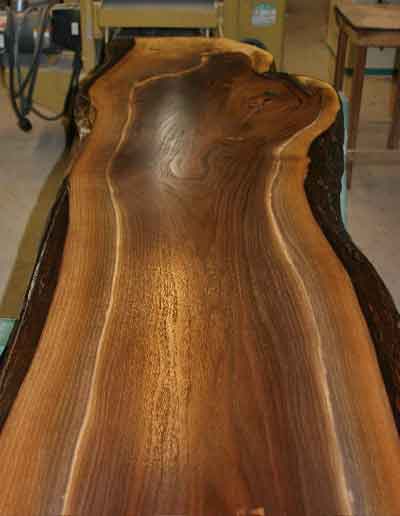
Wood sliced into boards is great to work with and can allow you to build awesome furniture.  But, once you work with a giant slab of wood, well, you’ll be amazed at the designs mother nature can throw into the piece.

This page gives you some pointers about working with these huge pieces of wood. From the safe lifting of boards that could weigh hundreds of pounds to the safe way to cut the boards down to size when building smaller projects, there are a number of common-sense safety and storage tips available.

Much to be thankful for…

With Thanksgiving tomorrow here in the United States, I wanted to start today’s post by listing some of the things I am thankful for…

I’m thankful for  my family for putting up with the time I spend in the shop and on the computer running the blog.

I’m thankful for the folks at Eagle America, for giving me the support and setting me up with some sweet tools.

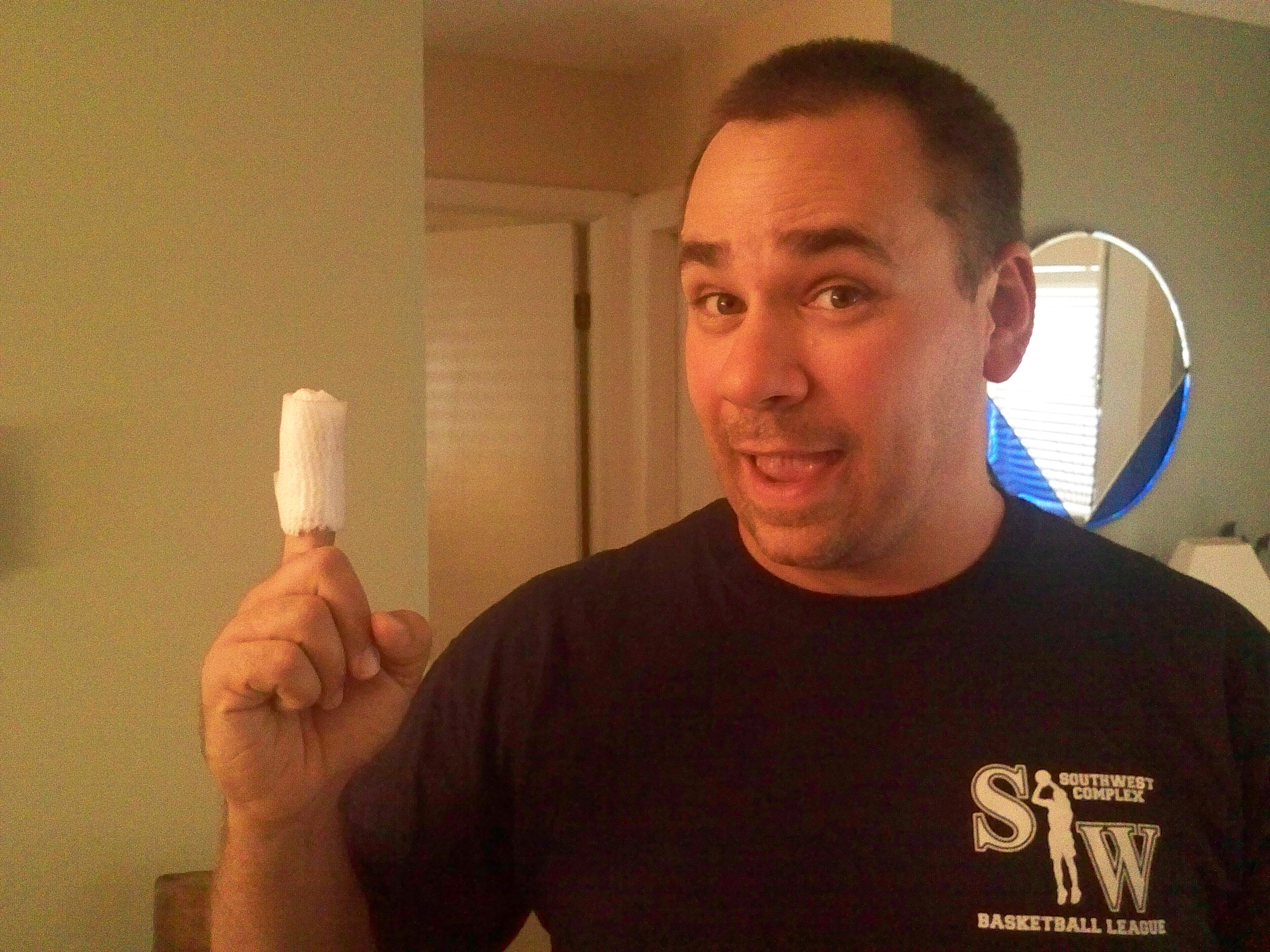
I’m thankful for the fact that y’all didn’t laugh me off the blog when I cut my finger with the hedge trimmers back in May:

I’m thankful for the folks at Bell Forest Products, for your support and the wood… the beautiful, beautiful wood!

I’m thankful for having met the Wood Whisperer, Marc Spagnuolo, and for him helping me get this blog off the ground more than three years ago… and for still standing behind me – and so many other bloggers bringing you high quality woodworking content.  Special thanks also  go to his wife Nicole who helps to make the Wood Whisperer a great community.

Thank you to Matt, Shannon, Kari and the rest of the folks who make Wood Talk Online so much damned fun to listen to.  Heck, Roberto, I’m thankful for your interesting phone calls!

I’m thankful for talented woodworkers like Mike Siemsen, Jim Heavey and Gail O’Rourke (there are dozens more) who have taken the time to help me figure out some woodworking head scratchers.

I’m thankful for all of the woodworkers I met at the Woodworking Show in Tampa back in March and the Woodworking in America conference held in Cincinnati back in October. My eyes were opened to the incredible talent, humor and knowledge possessed by the folks out there building in their basements, garages and dedicated shops.

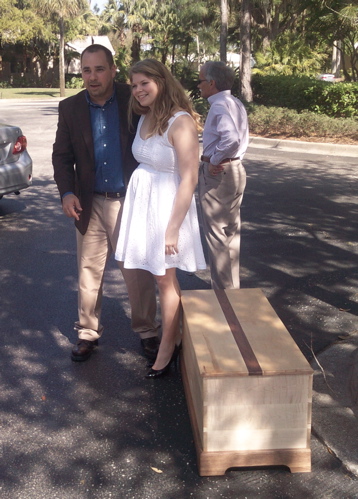
I’m thankful that my niece didn’t just laugh at me for building her something without an LCD touch screen and 4G connectivity for her 16th birthday:

I’m thankful for Wood Magazine, for your continued support and helping the legend of the Shop Monkey grow.

I’m thankful for talented tool makers like Ron Hock, the folks at Lie Nielsen, Veritas, Festool and so many other companies for creating quality tools so woodworkers can build their creation.

I’m thankful for my friend Paul, who showed me what patience was all about as we figured out how to build that huge home office system and disrupted the harmonious flow of his home while we installed it.

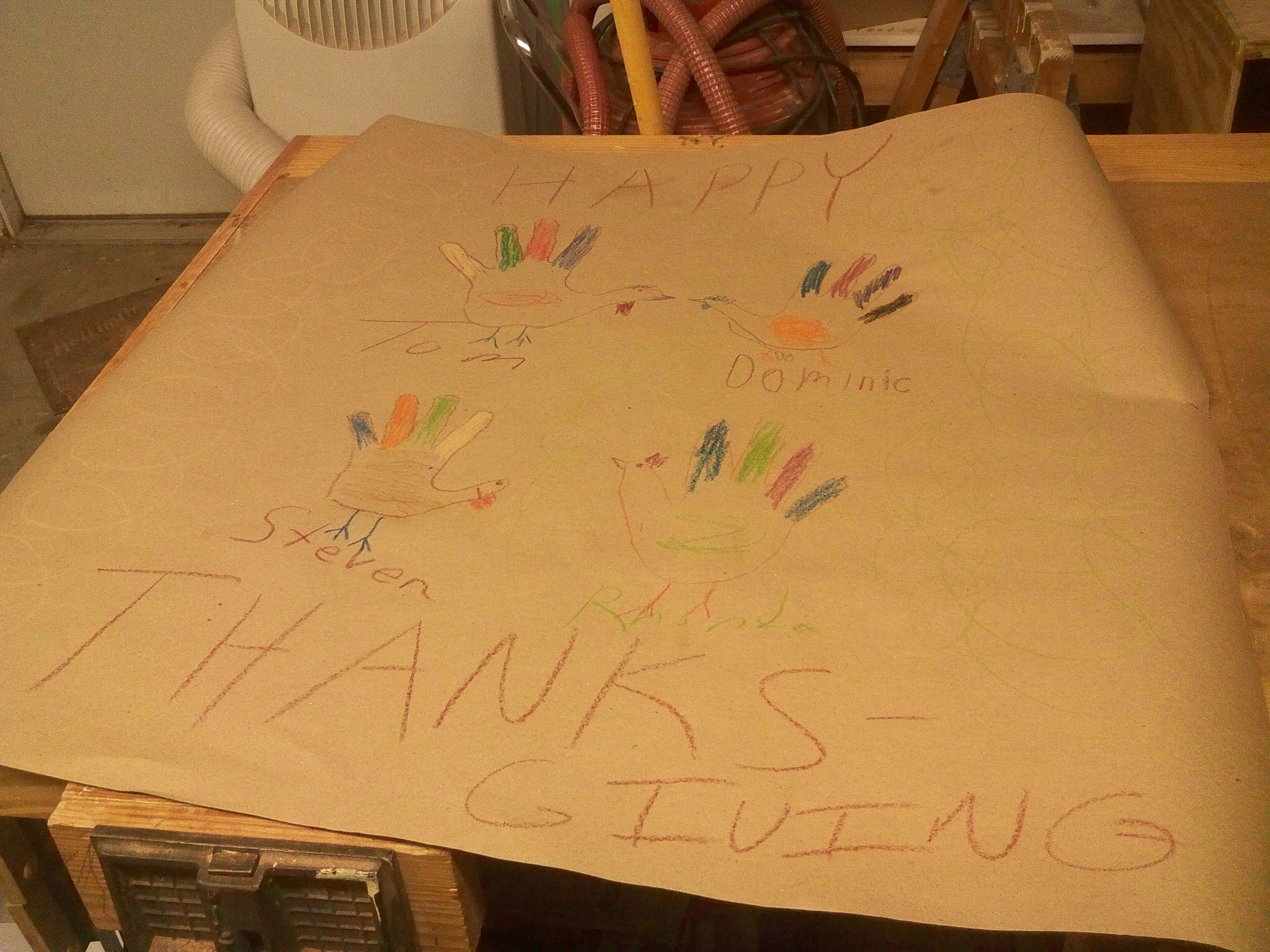
And, most importantly, I’m thankful for  each of you for stopping by Tom’s Workbench and taking a look at what I’m up to.  By the way, the entire crew of Tom’s Workbench – Me, my wife Rhonda and my two sons Dominic and Steven, have a message for each of you:

Now that we are officially in the holiday season, I guess I need to tell you that I was given excused duty this year for building holiday gifts.  That’s right, no cutting boards, no wine racks… Nothing.  After a few seasons of racing to beat the clock, Rhonda took some pity on me and said I had the year off.  I have a few projects on the table, though, so I plan on getting a little time in the shop after the big feast.

As I raise my glass tomorrow to toast the family members at the table, know that I’ll be raising one for you as well – the members of the Tom’s Workbench family.

The shop monkey goes to school

Every year, the local school board hosts the Great American Teach In.  This program is similar to the good old career days, when people would come to school to talk about what they do and tell the kids how they got the positions they did.

The event is open to people who want to talk about their vocations and avocations as well. So, you will see people talking about all kinds of things – firefighters, police officers, chefs and medical professionals were joined by volunteers with animal rescue organizations, glass blowers and part time musicians.  Heck, reporters from the local news stations come out in droves to get in on the act to tell the kids about careers as a journalist.

For the past six years, I have gone to the schools to talk with kids about hurricane preparedness. It’s always been a fun way to spend a day, and the kids have seemed to appreciate the information.

This year, though, I took a day off from work and went to the schools to talk about my favorite hobby, woodworking. I woke up early this past Thursday to pack the tools into the car and got dressed in one of the Show Me the Monkey t-shirts, and remembered to bring my little video camera.

I went to my youngest son’s school first, and was greeted with breakfast, lots of coffee, bottled water and a cake decorated for the occasion. I spent the first hours of the morning talking to groups of fourth and fifth graders, who asked a whole bunch of strange questions. “If you threw your saw at someone and it hit them in the neck, would it cut their head off?”  Yikes.  Fortunately, I was able to keep the content more in line with woodworking, and the kids seemed to enjoy it. My youngest son’s teacher even said the kids enjoyed my talk more than that given by the lady from the ASPCA… and I never do better than the people with animals!

After a delicious lunch at the first school, I went over to my oldest son’s school, where I spoke to sixth, seventh and eighth graders. That’s when I had an opportunity to set up my video camera and capture my talk to bring to you. Now, this isn’t the greatest video quality… I had to set the tripod so I could get myself, so the focus is a little wide.  And, at the end, the top of my head disappeared. But, I hope you get an idea of what I spoke about.

At the end of the day, I was bushed. My oldest son and I loaded the car and made the drive home.  I was hoarse, but I couldn’t stop smiling. That is the way to spend a day… talking to a new generation of kids who just might one day want to take up the craft and build something impressive.

I hope you enjoy my first attempt at doing a video with my blog…  I have a feeling that I might try it again in the future.

Quick Poll

Woodworking requires a certain degree of know-how.

Whether it’s deciding on what kind of wood to use for a project, the best method for joining two boards together or building up a perfect finish, the more you know about the process, the easier it is to complete it successfully.

Today, tell us where you get the majority of your woodworking know how.  Do you go online or to the library? Do you ask a knowledgeable friend or relative, or do you figure it out through trial and error?

[poll id=”147″]

Link of the Week

Tending to Morise and Tenons

This entry – provided for free from the book Woodworking for Dummies –  shows some interesting aspects of creation of mortise and tenon joints.

From the absolute basics through more advanced discussions about angled parts of the joints, this is a basic primer on the joint.  While you will want to do some more searching for more detailed info, this isn’t a bad place to take in a little bit of info on one of the most useful woodworking joints.

Stuff I’ve built: the Chihuahua ramp

Before anyone gets all worked up, no, this is not some kind of apparatus to make a small dog become airborne like Evel Knievel. So, don’t get your shorts in a twist, OK?

Instead, this project is the result of a favor asked for by a good friend of mine.  He has two Chihuahuas, and one of them – a brown and white pup named Sable – has a bit of a hip issue. She loves to hop up onto the couch and spend some quality snuggle time, but the leap is proving to be just too much for her.

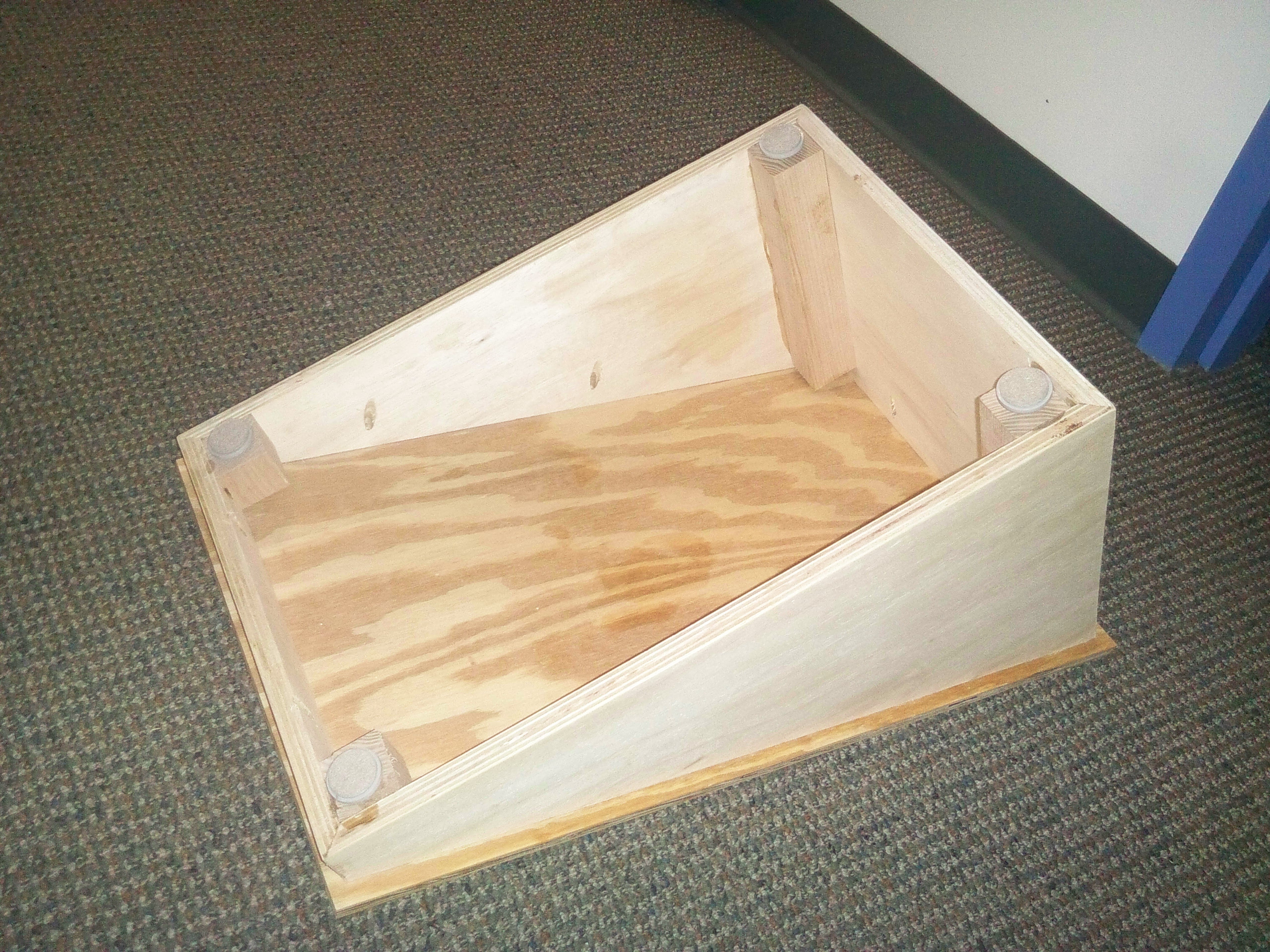
To help her get from the floor to the couch without the indignity of being carried by her master, my buddy Dan asked that that I build a Chihuahua ramp.  Nothing too crazy… 13″ tall by 23″ long by 16 ” wide – a solid base for the pup to scamper up. It also has 2″ step up from the front – just enough to reduce the slope a bit.

First, I cut out some pieces of 3/4″ plywood for the front, back and both sides. I used the track saw to cut the sides at the designated angle.  Ganged together, they were easy to do.  The ends were mitered to get the box to come together without any visible plywood edges.  This was easy cutting the side pieces, but, when it came to the front and back, both ends had to be mitered, and the top had to be cut at an angle to catch the plywood deck. It took a little bit of fiddling – I’m glad that I cut the pieces a little wide and had to trim off a little bit to get the angles to line up.

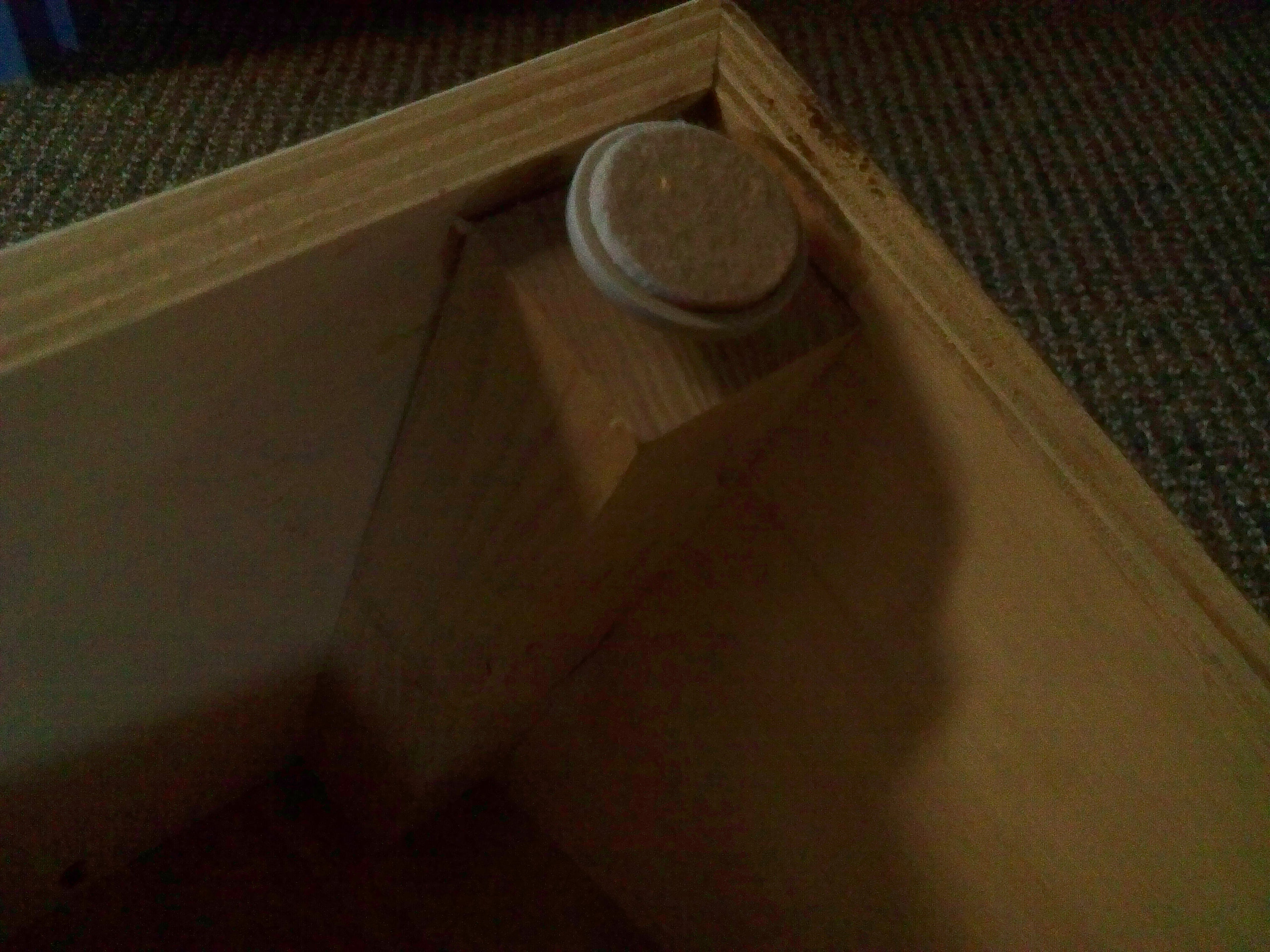
Where the miters went together, I wanted to ensure they wouldn’t come apart.  I could have used my Kehoe jig to drop in a few dovetail splines, but instead, I opted to use a few chunks of square ash I had after milling parts for another project.  I made sure they were cut square and then glued them into the corners.

Since this ramp had to be stable to provide the pup with secure footing, I also installed some leveler feet.  The ramp is being put into a 1950s era terrazzo floored home that may not be 100% level, so having that adjustability in the design was critical. Once set where it had to go, it could be made rock solid.

I wiped on a finish of thinned polyurethane after sanding it down a bit, and attached a raw construction grade ply top to hold a piece of carpet that Dan was going to attach.

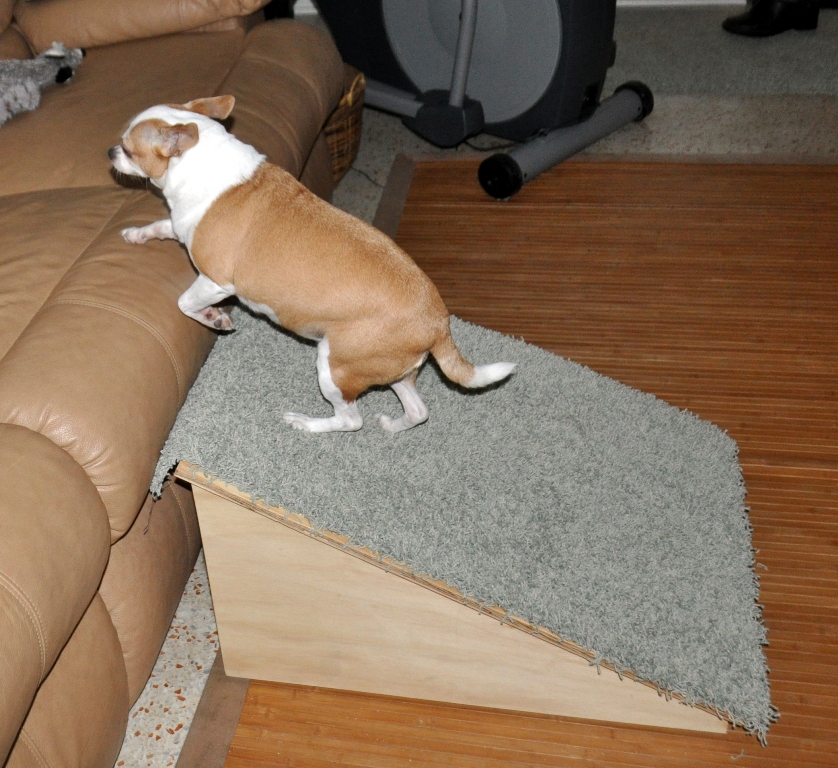
I dropped the piece off at work for Dan, and he was stunned with the results.  But, that was just the owner… what would Sable think? After he brought it home and initially tacked the carpet on the ramp, the true test took place.

Aye Chihuahua! I think I may have another satisfied customer!  Not bad for one afternoon’s work and some scraps.

I see what you resaw…

When you add the prefix ‘re-‘ to a word, sometimes it makes that word a whole lot less enjoyable.

Reheating a good dinner usually leaves it not as tasty as it did the first time around. When my boss asks me to reissue a press release, it’s probably because none of the local media has picked up on the story.  And, when my wife asks to review how much I have spent on woodworking tools… well… err…

But, when it comes to resawing, that’s usually a good thing. This past weekend, I was working with some thick chunks of ash and sapele which, while nice at nearly two inches in thickness, were just too thick for what I needed to do.  Rather than just throw them into the thickness planer and turn beautiful wood into sawdust, I decided to resaw them down to size.

Resawing is exactly what it sounds like – taking a board that was already sawn to a particular size, then sawing it down again to make a thinner board. I’m working with my regular tools… my table saw, band saw, hand planes and thickness planer.
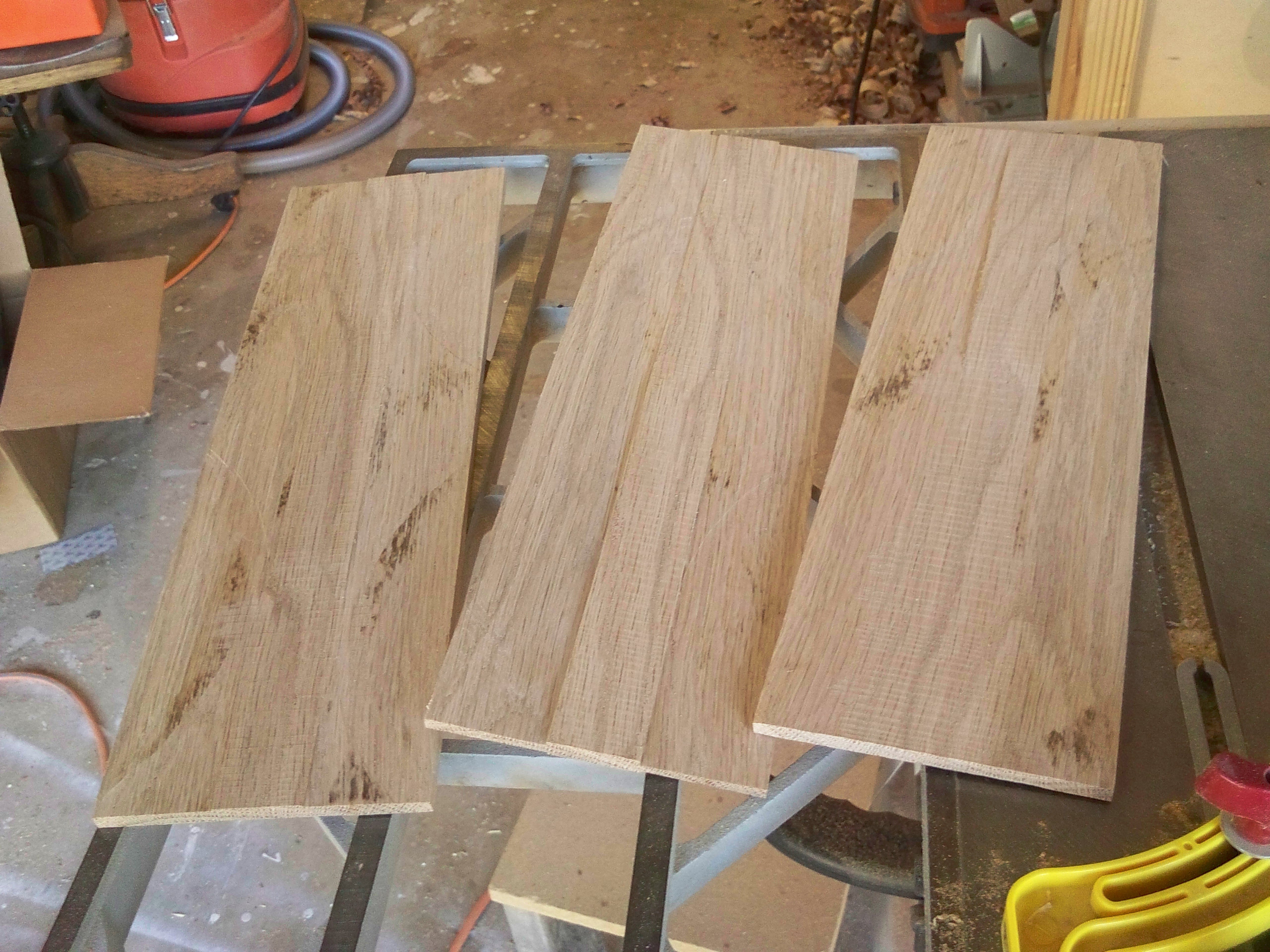
My first move was to plane the rough boards smooth, flat and square. I ended up with boards that were about 5 inches wide and nearly 1 3/4″ thick.  It’s important that the edges are flat and square… you’ll be pushing your boards through and need them to sit flat on the table so you can saw safely.

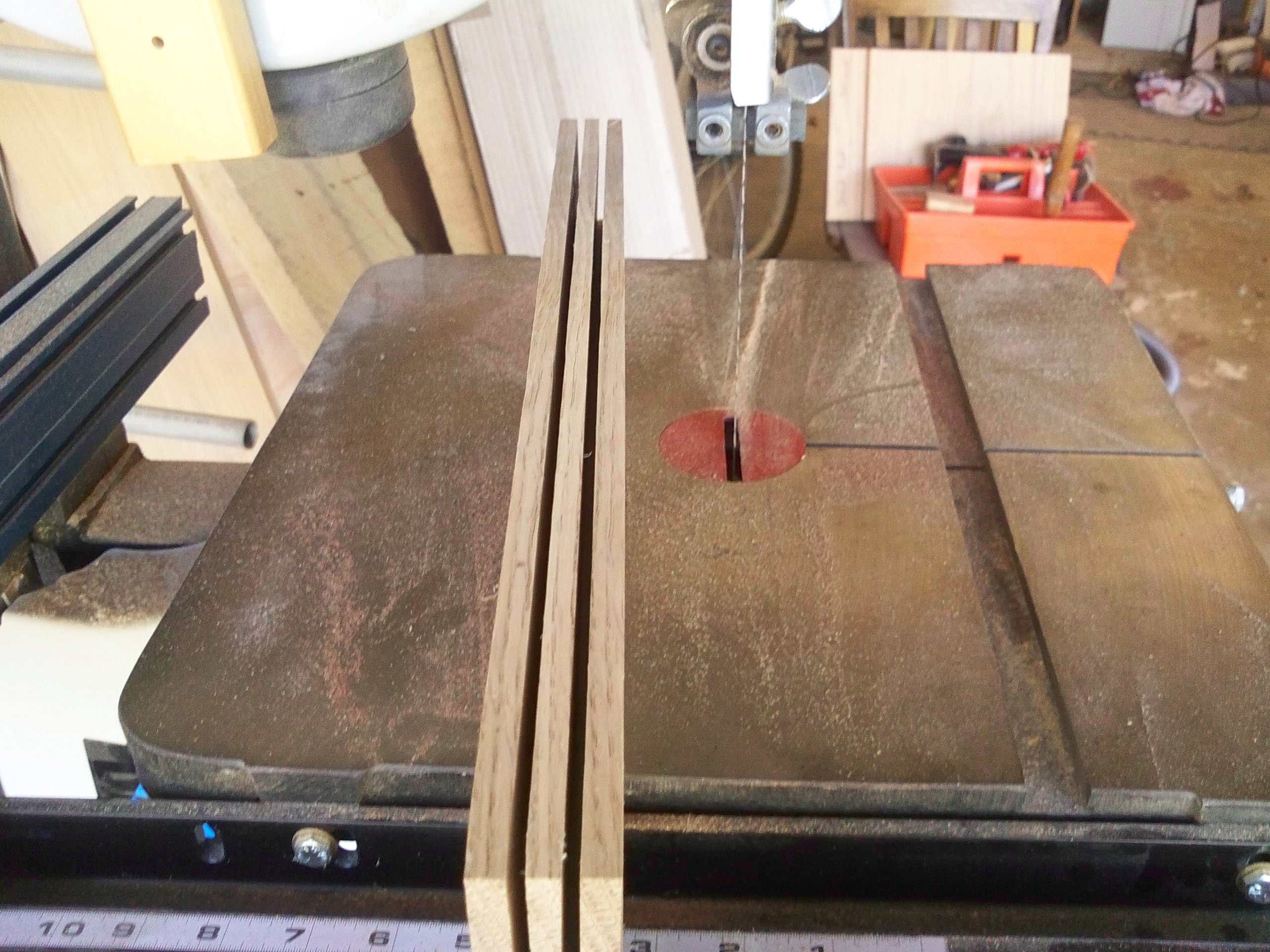
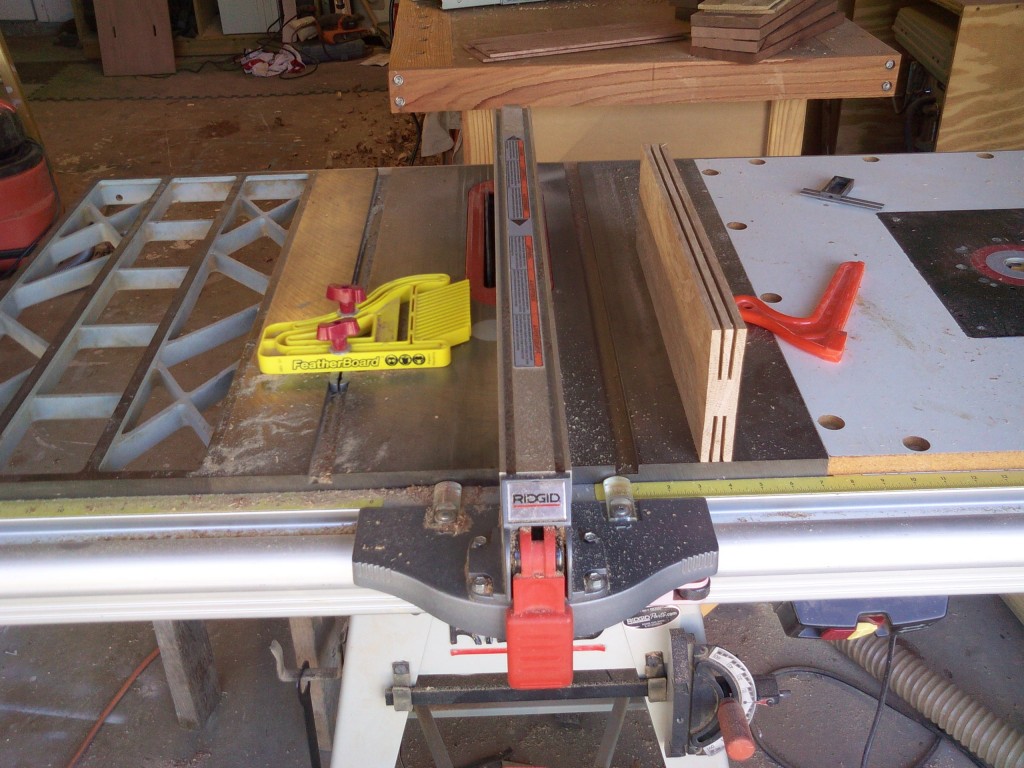
I start at the table saw. If I had a more capable band saw, I would have started there, but my Delta band saw isn’t great with resawing through thick boards. And, both ash and sapele are tough stuff.  To be successful, I’m going to have to stack the deck in my favor.  I measured the width I want to cut the boards – in the case of the ash, 3/8″, and set the blade height about 2 inches above the table. I have to remove the guard and the splitter to do this, so on goes the featherboard to hold the saw in, and I use a push stick to hold the board flat to the table. I push the board through, flip it end for end, then turn the board over and repeat the process.  This way, I have two deep kerfs on each side.  They line up and provide a channel for the band saw blade to run down as I saw.
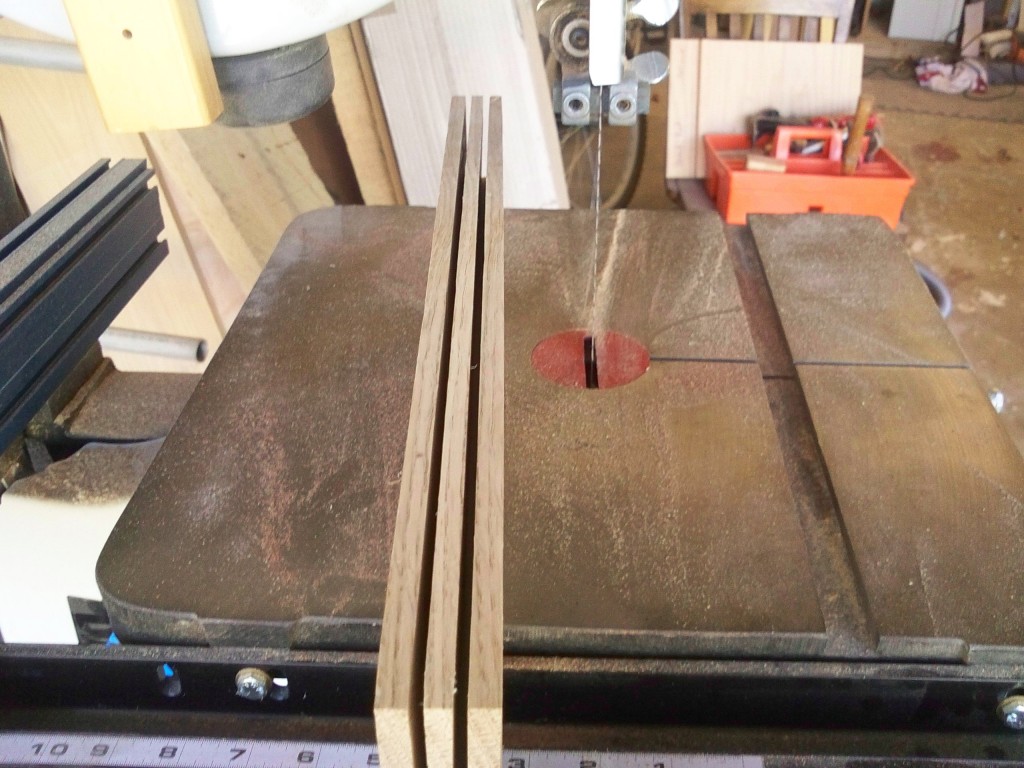
Once that’s done, I move to my band saw.  One of these days, I really do have to upgrade this sucker…

I set the blade guard up so it clears the height of the board by 1/4″ – I want to keep the upper blade guards as close to the wood as possible to help guide the blade.  Once the blade it tensioned properly (I’m using a 1/2″ blade, by the way), I push the board through.  My anemic little saw gagged and sputtered through the cut, but managed to split the boards out. I don’t use a fence using this method – I just push the board through and keep the blade centered in the larger table saw blade kerf.  Works fine for what I’m doing.
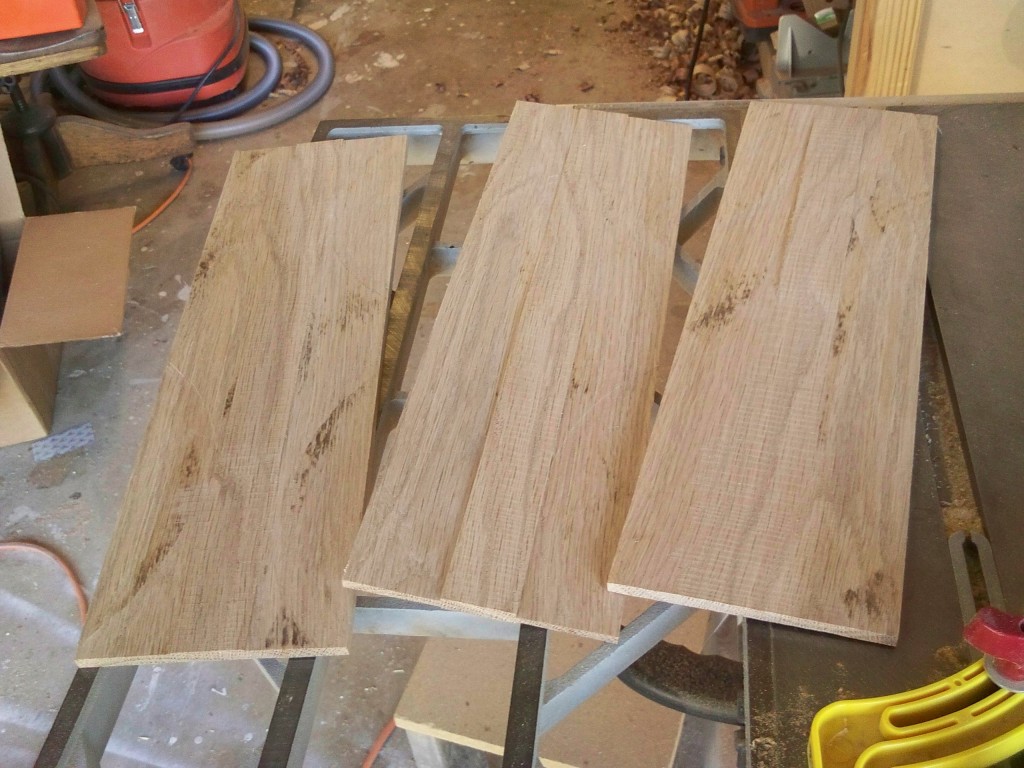
Now, I have the thinner boards with a strip of bandsawn wood in the middle.  I snug them in a vise and flatten them out with my bevel up jointer.  Then, once the majority of excess wood is off, I run the cut side through the thickness planer until I get exactly the thickness I need. No fuss, no muss, and a whole lot less waste.

What am I building?  Oh, you’ll see in due time…

For right now, it’s good enough to say that this piece will be in the next art contest at my place of employment.

Stay tuned for more.

part of the Wood Talk Online community