Tens of thousands of years ago, the first woodworkers used bone, rock and other raw natural materials to create their works. Since then, metals such as copper, bronze and iron have greatly improved the quality, durability and effectiveness of the tools in the chest.
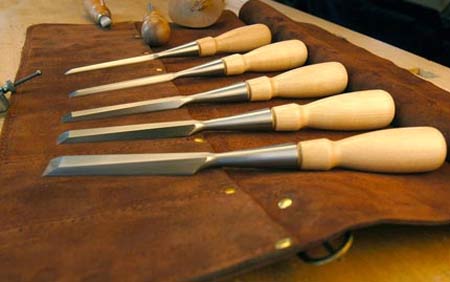
But, once steel was created, tool making really took off. Durable and resilient saw blades made cutting wood easier and chisels and plane irons could take and hold a sharper edge for longer.
With today’s modern production methods, there is plenty of quality steel out there for the woodworker to choose from. Choose is the operative word here, and many’s the woodworker who has had to decide between different kinds of steel for their new tool. A2. White. O1. High speed…
How is a woodworker supposed to navigate this mess without help?
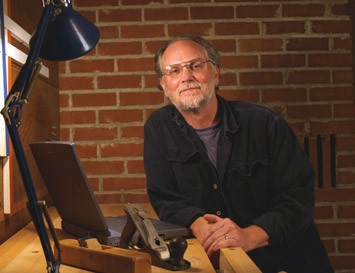
Fortunately, there are many guides out there to help make sense of the confusion. One of the most knowledgeable is Ron Hock of Hock Tools, but even someone as well-versed as Ron needs help in properly describing the different types of steel out there. “In my recent book The Perfect Edge, I had to enlist a small army of specialists to get to the bottom of the metallurgy behind today’s modern steels.”
First and most importantly, what is steel? “It’s an alloy of iron, carbon and some other elements, depending on what you want the steel to do. Basically, the carbon is necessary for hardening the steel through heat treatment.”
But, doesn’t that make all products made of iron steel? Not really. Cast iron is also iron and carbon, but its carbon content is too great to be considered steel, and the very high carbon content tends to make cast iron brittle. Wrought iron, on the other hand, has too little carbon to be called steel. Its low-to-zero carbon content isn’t enough to add the strength that we want from steel.
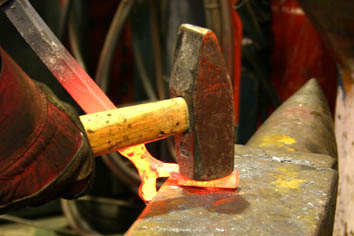
Ancient steelmakers used to repeatedly heat iron and hammer out the impurities. It took a lot of heating and a lot of hammering to make steel in this process, but the quality was quite good in the case of Japanese and Damascus steels.
Today’s modern processes use a powerful electric arc to heat raw iron and recycled steel in a crucible. Pure oxygen is then pumped through the molten mixture to ‘burn’ off impurities. Elements such as additional carbon, tungsten, molybdenum are then added to control the metal’s characteristics.
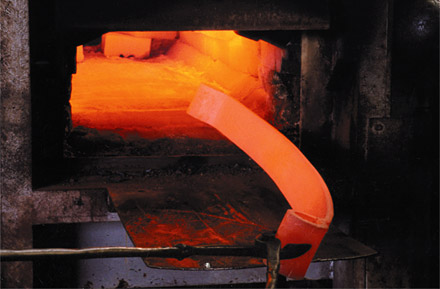
Some steel is designed to be very flexible – called spring steel. This steel has a moderate to high carbon content. Surprisingly, the composition of spring steel is not that different from harder tool steels. What makes it different is that it receives a special heat treatment to allow it to return to its normal form after significant bending and twisting. It is great for making items such as saw blades. This kind of steel cannot hold a sharp edge for a very long, but is very easy to sharpen
Other steels have elements added to them so they will be tougher, harder and can hold an edge longer. These are called tool steels, and they come in many varieties. These steels are typically heated, forged to shape, then reheated and cooled rapidly to freeze the crystalline structure of the material. The rapid cooling from high temperature is the essence of hardening by heat treatment.
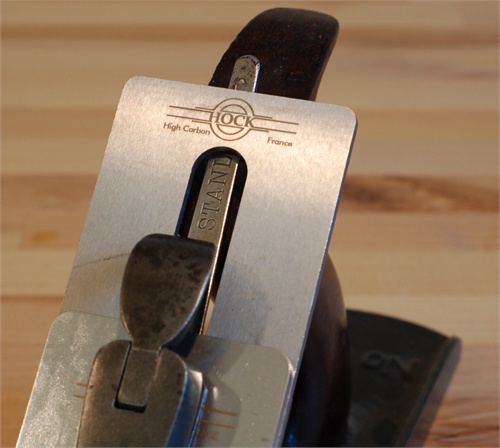
When looking at a premium tool catalog, you will notice that the steel in chisels, plane irons and other cutting tools is often indicated, and you will have to decide what kind you will want. Some of the more frequently-seen types of steel include O1 and A2. “Both are very high quality steels,” said Ron. “The A2 is air quenched and slightly tougher. It will take a very keen edge and hold it longer, but it does take more time to hone. The O1 steel is oil quenched and just a bit less tough, so it won’t hold the edge quite as long, but can be rehoned easily. It’s a matter of personal preference.”
High speed steels have additional elements such as tungsten and molybdenum added so the steel will keep its strength at high temperatures. “This is very important when using things such as drill bits and power saw blades. That high temperature strength makes the tool much more useful in high temperature applications.”
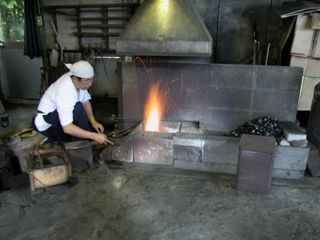
Of course, a discussion about tool steel wouldn’t be complete without a foray into the world of Japanese steels. During the Woodworking in America conference last October, master woodworker Toshio Odate explained that the composition of steel is indicated by a colored paper band wrapped around bundles of steel used to create tools. Hence, the actual color of the steel is the good old silvery-tone you are accustomed to seeing, regardless of the ‘color’ of the steel used to make tools.
White steel (steel bundled with a white paper band) is the purest variety, nearly free of impurities. This steel takes much more skill to forge, and the masters with the knowledge are becoming harder to find as they age and retire. Blue steel (yes, steel bundled with a blue paper band) has a number of other elements added to make it easier to work with, but these elements change the characteristics of the tool itself. Other varieties, such as yellow steel, are available, but are not typically used to make tools.
While this blog entry isn’t designed to be the be-all and end-all of steel knowledge, hopefully it will spur you to find out more about this revolutionary woodworking material.
Tens of thousands of years ago, the first woodworkers used bone, rock and other raw natural materials to create their works. Since then, metals such as copper, bronze and iron have greatly improved the quality, durability and effectiveness of the tools in the chest.
But, once steel was created, tool making really took off. Durable and resilient saw blades made cutting wood easier and chisels and plane irons could take and hold a sharper edge for longer.
With today’s modern production methods, there is plenty of quality steel out there for the woodworker to choose from. Choose is the operative word here, and many’s the woodworker who has had to decide between different kinds of steel for their new tool. A2. White. O1. High speed…
How is a woodworker supposed to navigate this mess without help?
Fortunately, there are many guides out there to help make sense of the confusion. One of the most knowledgeable is Ron Hock of Hock Tools, but even someone as knowledgeable as Ron needs help in properly describing the different types of steel out there. “In my recent book The Perfect Edge, I had to enlist a small army of specialists to get to the bottom of the metallurgy behind today’s modern steels.”
First and most importantly, what is steel? “It’s an alloy of iron, carbon and some other elements, depending on what you want the steel to do. Basically, the carbon is necessary for hardening the steel through heat treatment.”
But, doesn’t that make all products made of iron steel? Not really. Cast iron is also iron and carbon, but its carbon content is too great to be considered steel, and the very high carbon content tends to make cast iron brittle. Wrought iron, on the other hand, has too little carbon to be called steel. Its low-to-zero carbon content isn’t enough to add the strength that we want from steel.
Ancient steelmakers used to repeatedly heat iron and hammer out the impurities. It took a lot of heating and a lot of hammering to make steel in this process, but the quality was quite good in the case of Japanese and Damascus steels.
Today’s modern processes use a powerful electric arc to heat raw iron and recycled steel in a crucible. Pure oxygen is then pumped through the molten mixture to ‘burn’ off impurities. Elements such as additional carbon, tungsten, molybdenum are then added to control the metal’s characteristics.
Some steel is designed to be very flexible – called spring steel. This steel has a moderate to high carbon content. Surprisingly, the composition of spring steel is not that different from harder tool steels. What makes it different is that it receives a special heat treatment to allow it to return to its normal form after significant bending and twisting. It is great for making items such as saw blades. This kind of steel cannot hold a sharp edge for a very long, but is very easy to sharpen
Other steels have elements added to them so they will be tougher, harder and can hold an edge longer. These are called tool steels, and they come in many varieties. These steels are typically heated, forged to shape, then reheated and cooled rapidly to freeze the crystalline structure of the material. The rapid cooling from high temperature is the essence of hardening by heat treatment.
When looking at a premium tool catalog, you will notice that the steel in chisels, plane irons and other cutting tools is often indicated, and you will have to decide what kind you will want. Some of the more frequently-seen types of steel include O1 and A2. “Both are very high quality steels,” said Ron. “The A2 is air quenched and slightly tougher. It will take a very keen edge and hold it longer, but it does take more time to hone. The O1 steel is oil quenched and just a bit less tough, so it won’t hold the edge quite as long, but can be rehoned easily. It’s a matter of personal preference.”
High speed steels have additional elements such as tungsten and molybdenum added so the steel will keep its strength at high temperatures. “This is very important when using things such as drill bits and power saw blades. That high temperature strength makes the tool much more useful in high temperature applications.”
Of course, a discussion about tool steel wouldn’t be complete without a foray into the world of Japanese steels. During the Woodworking in America conference last October, master woodworker Toshio Odate explained that the composition of steel is indicated by a colored paper band wrapped around bundles of steel used to create tools. Hence, the actual color of the steel is the good old silvery-tone you are accustomed to seeing, regardless of the ‘color’ of the steel used to make tools.
White steel (steel bundled with a white paper band) is the purest variety, nearly free of impurities. This steel takes much more skill to forge, and the masters with the knowledge are becoming harder to find as they age and retire. Blue steel (yes, steel bundled with a blue paper band) has a number of other elements added to make it easier to work with, but these elements change the characteristics of the tool itself. Other varieties, such as yellow steel, are available, but are not typically used to make tools.
While this blog entry isn’t designed to be the be-all and end-all of steel knowledge, hopefully it will spur you to find out more about this revolutionary woodworking material.