For those of you who may be wondering where my post was on Wednesday, it didn’t happen. Instead, I was at the Hilton New Orleans Riverside at the National Hurricane Conference teaching – and learning – about hurricanes. With hurricanes Isaac and Sandy fresh in everyone’s mind, well, it was a great conference where we learned lots.
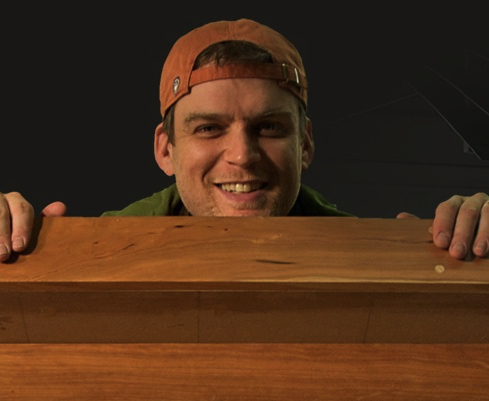
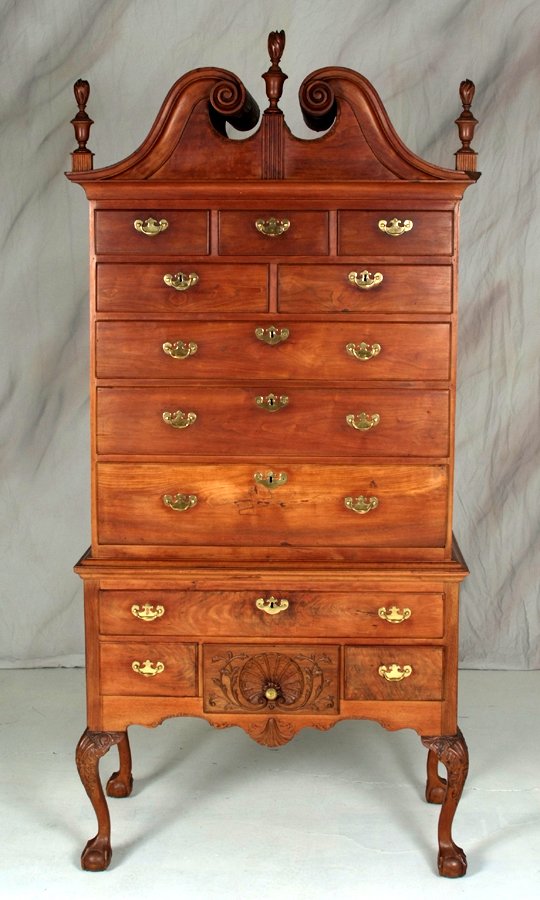
No, I didn’t get to do any woodworking, but I did get to see some tremendous, historic woodwork. Since I was in the Big Easy, I decided that perhaps today would be a great time to highlight a New Orleans woodworker. Dan Alleger has been doing woodworking in New Orleans since 1997, and his work is really spot on. Not only is he building new things, he also does restoring – a skill that came in very handy after 2005’s Hurricane Katrina.
Check out his work. I think you will like woodworking with a N’Awlins feel.
So, this is a project that took me a few years to accomplish, but now that it’s done, I have to ask myself why it took so long.
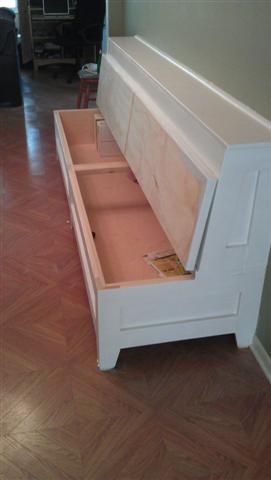
Yes, this is the banquette project Rhonda asked me for. Oh, don’t believe for a moment that this is fine handcrafted woodworking, but as far as a useful cabinetry project that adds to the living area, it’s dyanmite.
As I had mentioned before, the seating area of the piece is basically a large plywood box that’s glued and screwed together. I was using some nice birch plywood for it because it was smooth and it was also inexpesnive. Using my track saw, I was easily able to break down the sheet with minimal fuss, making smooth cuts right off the saw.
The lid was easy. I knew I wanted the back to be about 16 inches from the front of the seat, so it wouldn’t be too far back from the front. I doubled up the plywood for the seat and cut the back part of the seat free. This was attached to the top of the bench with screws and glue. I crosscut the front section in half, so you wouldn’t have lift one massive top to get into the goodies stored inside. A pair of loose pin hinges holds each section in place. The loose pin makes it easy to remove the bench lid if I have to do work on it…
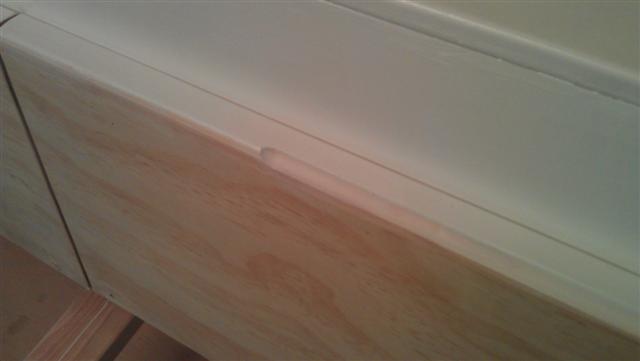
Since I wasn’t going to put a handle on the lid, I took the time to rout a cove on the front lip of the lid, allowing room for fingers to get a purchase to open.
The backrest is made from five fins of plywood cut witha 5 degree slope from the seat to the top. They formed a frame for the back of the seat, allowing a comfortable angle for seating. Those fins were notched, glued and nailed to some scrap plywood strips to hold them steady and provide a place for me to screw the piece to the wall. I skinned the front with a sheet of 3/4″ plywood and capped the whole thing with a piece of 1 x 10 pine.
As far as a finish – I started with a coat of shellac based primer. Yes, I treated it exactly like the base of the Rude and Crude method I use.. .shellac, followed by a thorough sanding with 320 grit paper. The surface was like glass… Perfect for two coats of a latex enamel paint.
Now, we need to repaint the wall (it was due) and clean up our laminate floor. Rhonda said she would also take care of getting a cushion for the seat, making it a little more comfortable for those sitting there.
Now, to fill it with all the stuff we have to store!
Dovetail joints are a classic way to join the corners of a project. They look timeless and offer great strength.
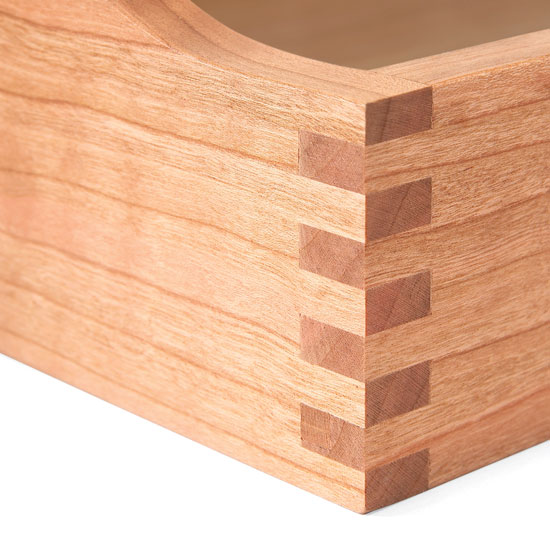
As mass production of wooden pieces came into play, manufacturers found it easy to lose the slope on the pins and tails and modify the joint into a box joint. This was used on utilitarian projects as well as finer furniture and still remains an option for woodworker today.
Just as with the dovetail, there are many ways to make a box joint. Table saws, routers and even hand tools can form the interlocking fingers and make a strong and attractive joint.
This week, let us know what is your preferred method of cutting box joints.
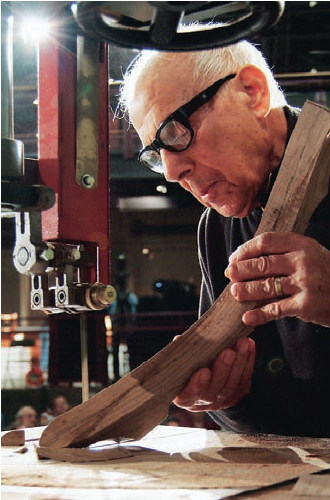
Up in Harvard, Massachusetts (no the university is up in Cambridge – this Harvard is west of Concord) is a woodworker with incredible vision. Scott Morton has one heck of an eye for modern design, traditional techniques and spreading the word about the craft.
Scott has been running his shop for more than ten years, and he has been cranking out some seriously sweet furniture featuring hand cut dovetails, graceful lines and a flair or the modern.. where it fits!
I also want to thank Scott for asking one of the best questions I have ever gotten about this blog – what do you want to do with it? Ya know, one day I want to build stuff half as good as Scott does, and be able to show that off on my site. Thanks for setting the bar so high, Scott!
Route I-4 is one of the shortest interstate highways in the country. It stretches roughly southwest to northeast from Tampa through Orlando all the way to Daytona.
And, all along its length you will find the lightning capital of North America. There is something with the combination of geography, proximity to the Gulf of Mexico and the Atlantic Ocean and the heating of the day that pops the daily fireworks during the summer.
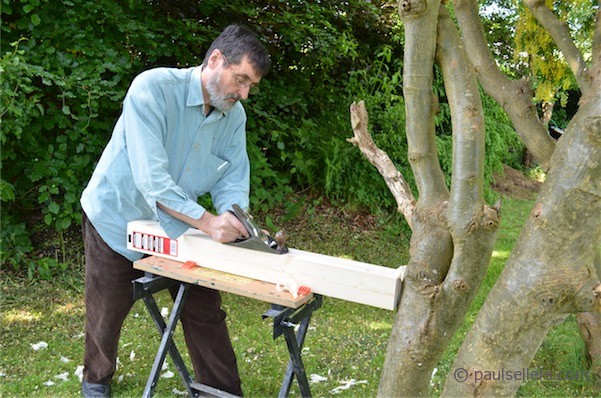
So, it is only appropriate that after the recent visit to Tampa by the Woodworking Show that some sparks would fly. These ones were a little less deadly, but were caused by a blog post written by Paul Sellers, one of the instructors who was teaching at the show. A great presentation, by the way, about hand tools.
Paul observed, rightly, that there were not that many women or young woodworkers at the show. One of the reasons he gave for this was that the majority of the vendors on the floor were promoting their power tools. Paul’s theory is that power tools create a barrier for new woodwokers, and anyone who claims that a machine is a tool can never understand the art or craft of woodworking.
As you may have expected, once this post hit the Internet, it sparked a tremendous brouhaha. There were people who made claims that power tool woodworking is indeed a craft, and that Paul was full of bunk. Others countered, saying that OK, power tools are great for the dull truing and thicknessing of boards, but doing any of the joinery or forming by a machine eliminates the art of the craft. Lots of folks weighed in on this at Paul’s blog and on the social media outlets.
When I first read the post, I got angry. Yes, I blend power tools and hand tools in my shop. People tell me that my work is a true craft, and it annoys me to think that someone could perceive the quality of my work as lesser because some of my tools have tails. And, had I written my response post on Monday, it probably would have been full of righteous indignation and written self defense.
But, what on Earth would that have accomplished? Besides, after two years of doing Get Woodworking Week, I agree with part of what Paul wrote… that there aren’t enough women or younger woodworkers in the craft. Sure, I saw lots of people at the show who weren’t well-experienced gentlemen, but I guess they stood out because they weren’t…
I believe, though, that we have to all start following the old bit of wisdom of fixing the problem, not the blame if we are going to address this issue. Blaming power tool manufacturers for the lack of woodworking involvement may – or may not – be the case. But, how many woodworkers got into woodworking because they watched Norm Abram build projects with one of the most well equipped power tool shop the world has ever seen? And, how many of those woodworkers eventually moved into hand tool woodworking because of what they saw with Roy Underhill – or Paul Sellers? Ultimately, it doesn’t matter what the entry point… as long as the craft lives and thrives, that’s what we care about.
And, who am I to criticize Paul when he was in a booth running educational seminars while I simply wandered the floor, documenting what was going on? Paul was working it!
Was it built with hand tools? Power tools? Does it matter?
Whenever we draw our illusory boundaries such as hand tool vs. power tool, or we bristle when we believe that our methods are under attack, how are we fixing the problem of getting new woodworkers into the fold? I’m not sure we are accomplishing anything by pointing the finger at others and telling them they are the problem.
After all, it wasn’t a power tool manufacturer that asked for shop classes to be removed from schools. It wasn’t a hand tool woodworker who demanded that schools teach to standardized tests instead of giving the kids a chance to explore different learning options. And, it wasn’t a blended tool workshop that pushed the idea of the vocational arts being some sort of academic consolation prize reserved for students who don’t get it.
We need, instead, to respect that woodworking is a big tent, and there is plenty of room for differences in opinion and approaches. I think I would like to see less finger pointing and more pulling together to realize that it absolutely doesn’t matter how people get into woodworking… all of us have a responsibility to offer our woodworking opinions and philosophies without casting aspersions on the work methods of others.
If we can do that, I think we’ll see sparks of inspiration flying in lots of new shops around the world…
This past weekend, the Woodworking Show came to the Florida State Fairgrounds in Tampa. As if you had to ask… yes, I was there all day Saturday. I was on the floor before the show began, Tweeting like a madman. While I was there, I didn’t buy anything, but I did get a look at some great products and educational programs. Here’s just a little peek at some scenes from the floor…
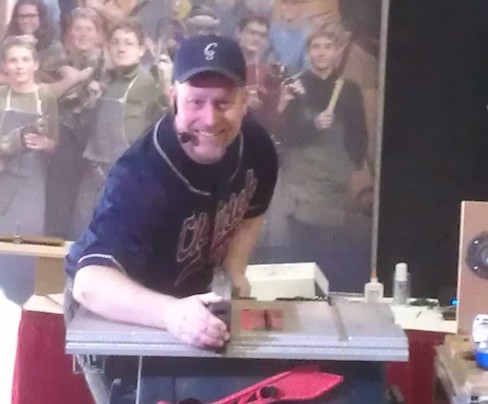
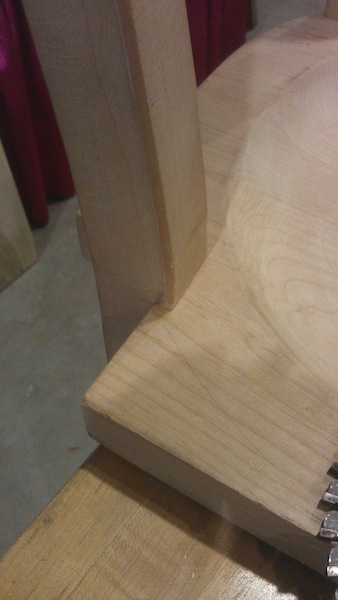
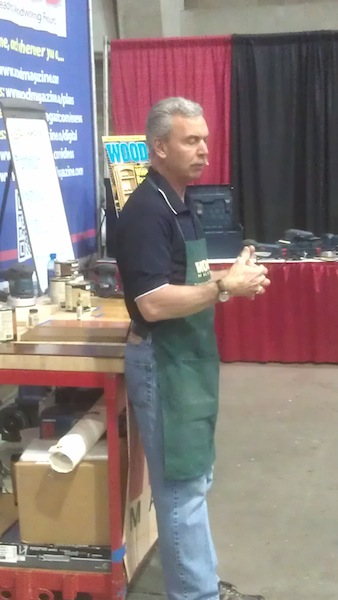
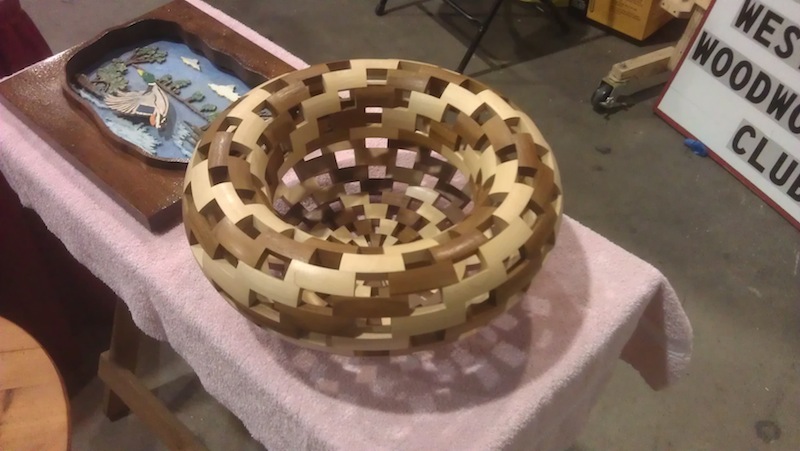
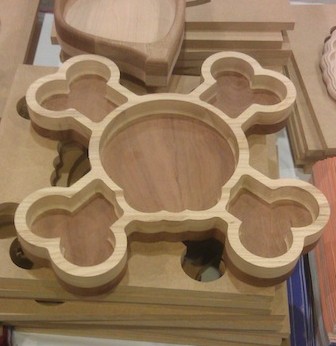
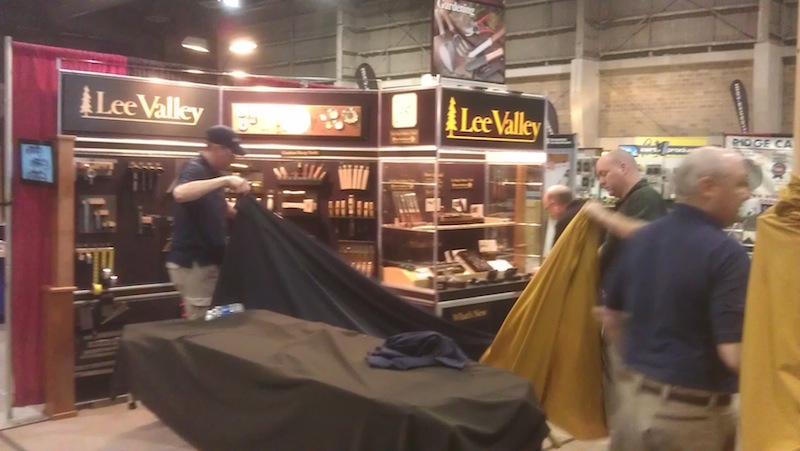
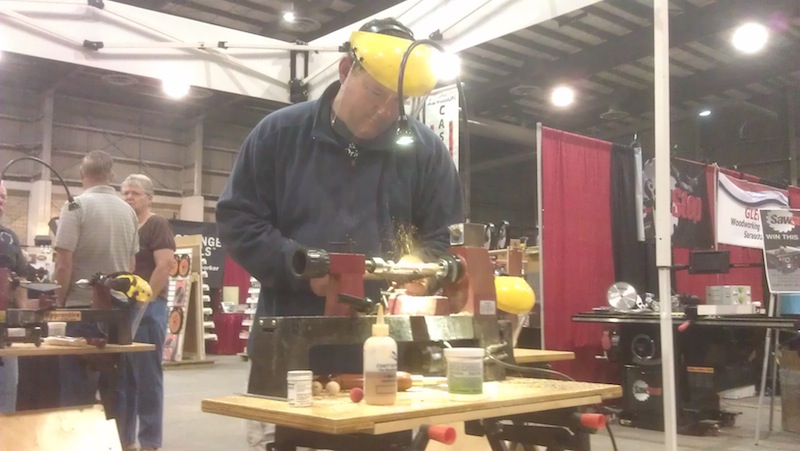
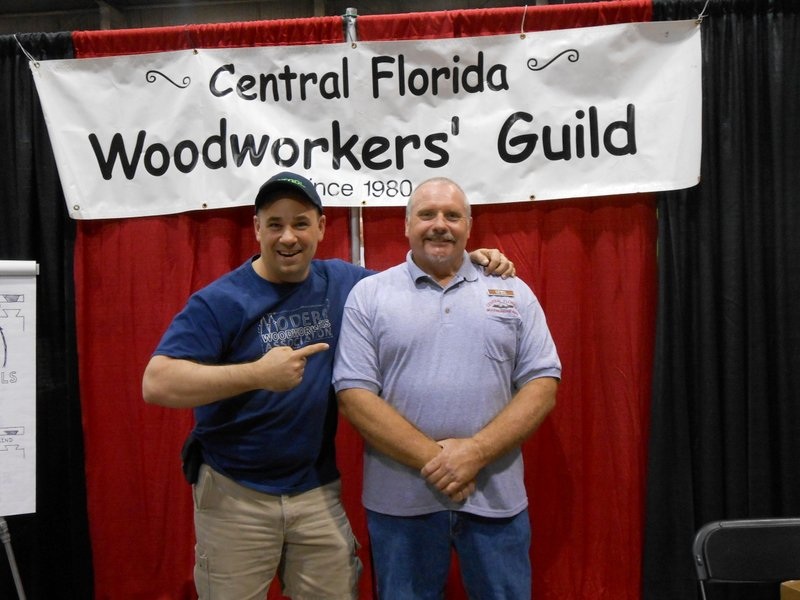
The incomparable Andy Chidwick goofing aroundOf course, when you can cut joints like this, you can goof all you wantJim Heavey wowing the crowdThose Central Florida woodwturners can do some SWEET work!Arrrr…..It’s not a party until the folks at Lee Valley take the covers offThat pen is TURNING out pretty good!The best part is meeting friends like Eric Rusch!
It never fails. You get through the final assembly of your project and it looks absolutely gorgeous. Then, it hits you like a ton of bricks – how are you supposed to get your hand holding a piece of sandpaper inside those tiny and intricate openings to get a good smooth surface, and how are you expected to get a smooth finish in those nooks and crannies?
The ideal situation would be to have finish the pieces before you got to this point in the project, but how were you expected to quell your excitement during the assembly process?
And, then there’s the concern of getting finish on areas you need to glue up… will the glue stick to that kind of finish, or will the project fall apart?
This week, I want to know your thoughts on prefinishing project pieces before you get to the point of final assembly. Is this a routine practice or not for you?