 The router is one of those tools you are not sure that you will need before you buy it, then you wonder how you ever got along without one after you get it. There are scores of tasks a properly equipped and skillfully handled router can tackle. Of course, discovering everything a router can do is frustrating trying to learn on your own. It’s easier if you have a knowledgeable guide along to point out the pitfalls and steer you in the right direction.
Pat Warner is just the kind of person who can help you along the way. You see, Pat is a big fan of the router, and has found a number of good uses for the tool. It’s amazing, considering his first experiences in the craft. “As a small child, I knew I wanted to build with wood. Back in the second grade, I made two small chairs out of pine and a few nails. Of course, this wasn’t during shop class – I had been ushered out for causing a ‘disturbance’ and there were no witnesses to the fact.”
 Turns out that this child prodigy had to wait another 30 years before he got active again in woodworking. While learning the ropes on his own, he got his first exposure to the router. “It was 1972, and I got a Craftsman 1 HP router with a 1/4″ collet. I was hooked, but surprised to learn that this tool could do a lot only with extra cutters, jigs and other fixtures.”
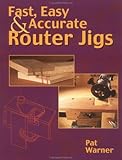
Today, Pat runs a successful commercial website offering sound advice and jigs for sale, as well as writing such books as The Router Book, Working with Routers and Fast, Easy and Accurate Router Jigs. Pat designs and builds jigs that put accuracy and safety first. “My jigs are designed to give incredible control to the routing process. While there is always an inherent risk with any power tool, by using the tool properly and with great forethought, you can significantly reduce that risk while gaining tremendous accuracy.”
 Jigs such as the four-faced tenoning jig which I built are very clever and well thought out. Warner offers this and many other completely built jigs for sale on his website. “If you are the kind of woodworker who would rather be building furniture than laying out and building jigs, check out my site. I’m pretty sure you can find the jig that will do the task you need.”
It’s not just jigs with Pat. You can buy a series of replacement base plates that can make your router more versatile, and Pat even offers one-on-one classes at his southern California workshop. “Students love to come to the sunny workshop to learn all about routing. It sure beats trying to learn about advanced routing techniques by yourself in your northern shop in the dead of winter…” Pat also works closely with router and router bit manufacturers to help develop and test their new products before rolling them out to the public.
 One question Pat gets frequently is about how a router novice should acquire bits. “There are two schools of thought. The first is to buy one of those huge mega sets of 100 or more super-cheap offshore router bits and learn on those. Understand that you may become frustrated with the quality and end up replacing the ones you use the most. But, that’s OK – you will learn a lot. The other is to buy high-quality bits one at a time as you need them. Sure, you may drop some big bucks on a very high quality bit, however, you will enjoy the results for a very long time.”
Does Pat believe that the router is the only way to cut any and all joinery? “Not at all. In fact, if you are comfortable doing a particular task with another tool – and you get great results – don’t change. However, if you are constantly scratching your head wondering how to do something better, chances are that their might be a router-based solution that will help to make you a better woodworker.”
What does this router guru find to be the most enjoyable part of his job? “Well, it would have to be creating a new and unique jig that helps solve a problem. Oh, and then going out and building something neat with that bugger!”

 The plans have been drawn up. The tools have been sharpened. The shop has been prepped.

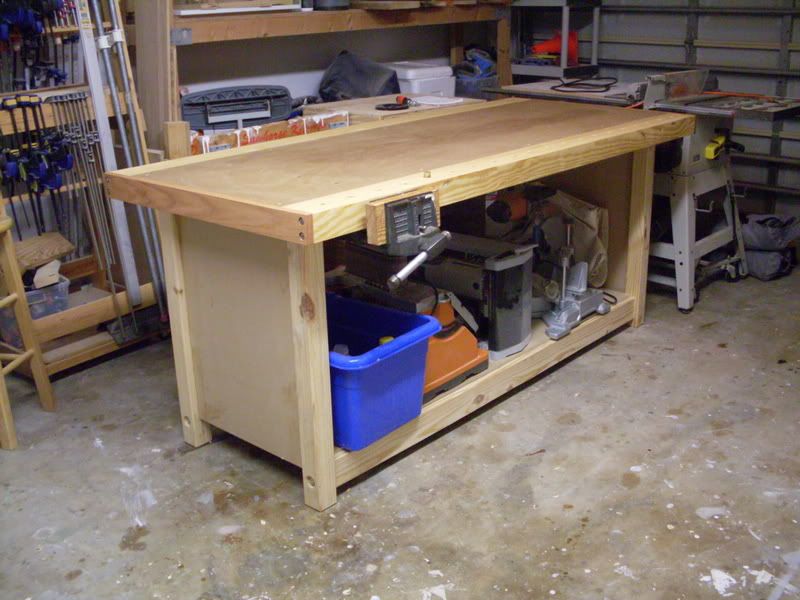 Hey, Paul, thanks for the question. Of course, where you place the vise is your own decision, but I think that you’ll find the traditional place is on the corner opposite of your main hand. In your case (and mine), it’s gonna be on the left side of the bench front. Basically, you want to push the plane toward where the vise is located. This way, a board jack merely has to support the work, while you get the gripping power and most support from the vise at the end of the push.
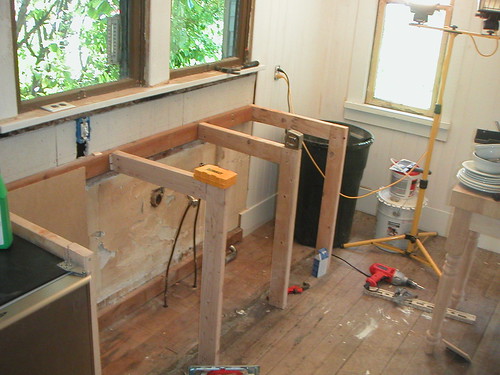 When it comes to building large projects, there has been a big shift in the past 30 years. For instance, if I go to the Reader’s Digest Complete Do-It-Yourself Manual published in 1973, their instructions to build a set of kitchen cabinets indicated that you should build them piece by piece on site. Judging from what I have seen my friends tear out of their kitchens from homes built in that time period, it seems that was the primary, if not only, way to build.
 Looking for inspiration for your next project? Every month, Fine Woodworking magazine features a selection of the outstanding projects built by their readers.