All posts by Tom

I'm the guy who writes the blog...

Link of the week

Old House Web

Old homes have charm.  They have style.

And, they sometimes have lots of issues.

That’s why sites such as the Old House Web are out there. Besides offering lots of practical advice about plumbing, roofing, electrical and other necessities, there are great articles about repairing, refinishing and replacing missing woodworking elements from these gems.

Steel yourself!

Tens of thousands of years ago, the first woodworkers used bone, rock and other raw natural materials to create their works. Since then, metals such as copper, bronze and iron have greatly improved the quality, durability and effectiveness of the tools in the chest.
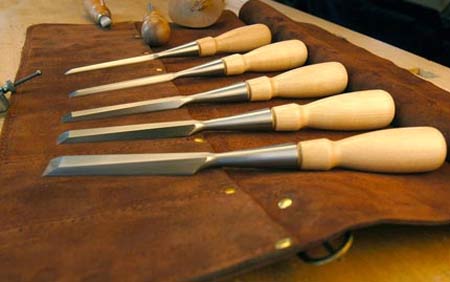
But, once steel was created, tool making really took off. Durable and resilient saw blades made cutting wood easier and chisels and plane irons could take and hold a sharper edge for longer.

With today’s modern production methods, there is plenty of quality steel out there for the woodworker to choose from. Choose is the operative word here, and many’s the woodworker who has had to decide between different kinds of steel for their new tool. A2. White. O1. High speed…

How is a woodworker supposed to navigate this mess without help?
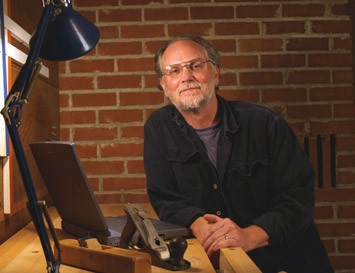
Fortunately, there are many guides out there to help make sense of the confusion. One of the most knowledgeable is Ron Hock of Hock Tools, but even someone as well-versed as Ron needs help in properly describing the different types of steel out there. “In my recent book The Perfect Edge, I had to enlist a small army of specialists to get to the bottom of the metallurgy behind today’s modern steels.”

First and most importantly, what is steel? “It’s an alloy of iron, carbon and some other elements, depending on what you want the steel to do. Basically, the carbon is necessary for hardening the steel through heat treatment.”

But, doesn’t that make all products made of iron steel? Not really. Cast iron is also iron and carbon, but its carbon content is too great to be considered steel, and the very high carbon content tends to make cast iron brittle. Wrought iron, on the other hand, has too little carbon to be called steel. Its low-to-zero carbon content isn’t enough to add the strength that we want from steel.
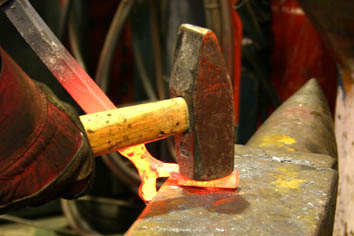
Ancient steelmakers used to repeatedly heat iron and hammer out the impurities. It took a lot of heating and a lot of hammering to make steel in this process, but the quality was quite good in the case of Japanese and Damascus steels.

Today’s modern processes use a powerful electric arc to heat raw iron and recycled steel in a crucible. Pure oxygen is then pumped through the molten mixture to ‘burn’ off impurities. Elements such as additional carbon, tungsten, molybdenum are then added to control the metal’s characteristics.
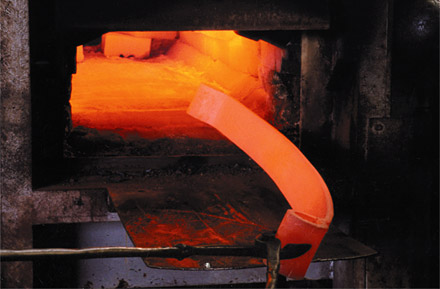
Some steel is designed to be very flexible – called spring steel. This steel has a moderate to high carbon content. Surprisingly, the composition of spring steel is not that different from harder tool steels. What makes it different is that it receives a special heat treatment to allow it to return to its normal form after significant bending and twisting. It is great for making items such as saw blades. This kind of steel cannot hold a sharp edge for a very long, but is very easy to sharpen

Other steels have elements added to them so they will be tougher, harder and can hold an edge longer. These are called tool steels, and they come in many varieties. These steels are typically heated, forged to shape, then reheated and cooled rapidly to freeze the crystalline structure of the material. The rapid cooling from high temperature is the essence of hardening by heat treatment.
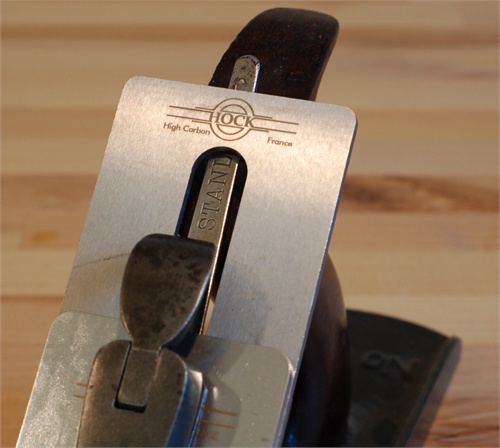
When looking at a premium tool catalog, you will notice that the steel in chisels, plane irons and other cutting tools is often indicated, and you will have to decide what kind you will want. Some of the more frequently-seen types of steel include O1 and A2. “Both are very high quality steels,” said Ron. “The A2 is air quenched and slightly tougher. It will take a very keen edge and hold it longer, but it does take more time to hone. The O1 steel is oil quenched and just a bit less tough, so it won’t hold the edge quite as long, but can be rehoned easily. It’s a matter of personal preference.”

High speed steels have additional elements such as tungsten and molybdenum added so the steel will keep its strength at high temperatures. “This is very important when using things such as drill bits and power saw blades. That high temperature strength makes the tool much more useful in high temperature applications.”
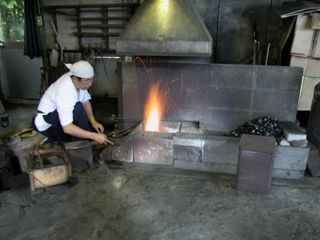
Of course, a discussion about tool steel wouldn’t be complete without a foray into the world of Japanese steels. During the Woodworking in America conference last October, master woodworker Toshio Odate explained that the composition of steel is indicated by a colored paper band wrapped around bundles of steel used to create tools. Hence, the actual color of the steel is the good old silvery-tone you are accustomed to seeing, regardless of the ‘color’ of the steel used to make tools.

White steel (steel bundled with a white paper band) is the purest variety, nearly free of impurities. This steel takes much more skill to forge, and the masters with the knowledge are becoming harder to find as they age and retire. Blue steel (yes, steel bundled with a blue paper band) has a number of other elements added to make it easier to work with, but these elements change the characteristics of the tool itself. Other varieties, such as yellow steel, are available, but are not typically used to make tools.

While this blog entry isn’t designed to be the be-all and end-all of steel knowledge, hopefully it will spur you to find out more about this revolutionary woodworking material.

Tens of thousands of years ago, the first woodworkers used bone, rock and other raw natural materials to create their works.  Since then, metals such as copper, bronze and iron have greatly improved the quality, durability and effectiveness of the tools in the chest.

But, once steel was created, tool making really took off.  Durable and resilient saw blades made cutting wood easier and chisels and plane irons could take and hold a sharper edge for longer.

With today’s modern production methods, there is plenty of quality steel out there for the woodworker to choose from. Choose is the operative word here, and many’s the woodworker who has had to decide between different kinds of steel for their new tool.  A2. White. O1. High speed…

How is a woodworker supposed to navigate this mess without help?

Fortunately, there are many guides out there to help make sense of the confusion.  One of the most knowledgeable is Ron Hock of Hock Tools, but even someone as knowledgeable as Ron needs help in properly describing the different types of steel out there.  “In my recent book [rjh1] The Perfect Edge, I had to enlist a small army of specialists to get to the bottom of the metallurgy behind today’s modern steels.”

First and most importantly, what is steel?  “It’s an alloy of iron, carbon and some other elements, depending on what you want the steel to do.  Basically, the carbon is necessary for hardening the steel through heat treatment.”

But, doesn’t that make all products made of iron steel? Not really. Cast iron is also iron and carbon, but its carbon content is too great to be considered steel, and the very high carbon content tends to make cast iron brittle. Wrought iron, on the other hand, has too little carbon to be called steel. Its low-to-zero carbon content isn’t enough to add the strength that we want from steel.

Ancient steelmakers used to repeatedly heat iron and hammer out the impurities.  It took a lot of heating and a lot of hammering to make steel in this process, but the quality was quite good in the case of Japanese and Damascus steels.

Today’s modern processes use a powerful electric arc to heat raw iron and recycled steel in a crucible.  Pure oxygen is then pumped through the molten mixture to ‘burn’ off impurities.  Elements such as additional carbon, tungsten, molybdenum are then added to control the metal’s characteristics.

Some steel is designed to be very flexible – called spring steel.  This steel has a moderate to high carbon content. Surprisingly, the composition of spring steel is not that different from harder tool steels. What makes it different is that it receives a special heat treatment to allow it to return to its normal form after significant bending and twisting. It is great for making items such as saw blades.  This kind of steel cannot hold a sharp edge for a very long, but is very easy to sharpen

Other steels have elements added to them so they will be tougher, harder and can hold an edge longer.  These are called tool steels, and they come in many varieties.  These steels are typically heated, forged to shape, then reheated and cooled rapidly to freeze the crystalline structure of the material. The rapid cooling from high temperature is the essence of hardening by heat treatment.

When looking at a premium tool catalog, you will notice that the steel in chisels, plane irons and other cutting tools is often indicated, and you will have to decide what kind you will want.  Some of the more frequently-seen types of steel include O1 and A2.  “Both are very high quality steels,” said Ron.  “The A2 is air quenched and slightly tougher.  It will take a very keen edge and hold it longer, but it does take more time to hone.  The O1 steel is oil quenched and just a bit less tough, so it won’t hold the edge quite as long, but can be rehoned easily.  It’s a matter of personal preference.”

High speed steels have additional elements such as tungsten and molybdenum added so the steel will keep its strength at high temperatures.  “This is very important when using things such as drill bits and power saw blades.  That high temperature strength makes the tool much more useful in high temperature applications.”

Of course, a discussion about tool steel wouldn’t be complete without a foray into the world of Japanese steels.  During the Woodworking in America conference last October, master woodworker Toshio Odate explained that the composition of steel is indicated by a colored paper band wrapped around bundles of steel used to create tools.  Hence, the actual color of the steel is the good old silvery-tone you are accustomed to seeing, regardless of the ‘color’ of the steel used to make tools.

White steel (steel bundled with a white paper band) is the purest variety, nearly free of impurities.  This steel takes much more skill to forge, and the masters with the knowledge are becoming harder to find as they age and retire.  Blue steel (yes, steel bundled with a blue paper band) has a number of other elements added to make it easier to work with, but these elements change the characteristics of the tool itself. Other varieties, such as yellow steel, are available, but are not typically used to make tools.

While this blog entry isn’t designed to be the be-all and end-all of steel knowledge, hopefully it will spur you to find out more about this revolutionary woodworking material.



[rjh1]Please make this a link to: www.theperfectedgebook.com. Thanks!

Pretty as a picture

My oldest son recently turned 12. Yes, it’s the last year for a while in my house without a teenager. I had better enjoy it while I can.

While thinking back about his birth, I can’t help but wonder if he wasn’t the most documented child on the planet. You see, when he was born, he was my parents’ first grandchild.

Ain't he just the cutest?

When they came to visit those first few months, the shutters were snapping like crazy. My son getting fed. My son getting changed. My son being rocked to sleep. My son getting bathed. It took a few weeks after family visits for my eyesight to return to normal after staring at that darned flash…

Back in those olden days, pictures were taken on this ancient medium called film. And, when you took the pictures, you had to take them to a photo processor to be developed. And, well, for an event like the birth of a child, you had BOXES of photos to sort through. And warehouse.

And display…

Of course, you could go into hock buying dozens of frames to display the choice photos of important moments, but why not add to the presentation by building your own picture frames?

With Mother’s Day, Father’s Day, graduations, wedding season and so many other meaningful events happening in late spring and early summer, there are many opportunities to build custom picture frames to present as gifts to commemorate special moments.

“Picture frames are insanely easy to build,” said Tim Walter of Eagle America. “They involve just a small amount of wood, but showcase your woodworking skills like very few other projects can.”

The material the frames are made out of can alter the look from basic to fancy. “Some interestingly grained wood is eye catching for flat pieces. We also offer a number of router bits that create interesting profiles and shadow lines. Our 5-piece framing router bit set offers you endless profiles when used in combination with one another or when just using a single bit at varying depths in your router table.” Tim also pointed out that these bits, when used on a workpiece glued up of contrasting boards can produce dramatic effects as the different colors and grain patterns are exposed during the routing process.

Once you have created the pieces of the frame, it’s then time to join. At its simplest, a picture frame is four pieces of wood joined to form a square or rectangle. “Just like you used your creativity to create the profile of your frame, you can put it to work here when you put your frame together. There are dozens of ways for you to securely assemble your custom made frames, some of which include biscuits, lap joints and splined miters. Whatever works for you…”

A rabbet on the back side of the frame is also a great way to retain the items that are included in a securely-mounted photograph. “A piece of glass in front protects the image from fingerprints and dust. A mat is optional, but can really jazz up the look. Then, you’ll have the photo and a secure backing to hold it all together. A stepped rabbet bit is an interesting option for you to make these cuts in fewer steps.”

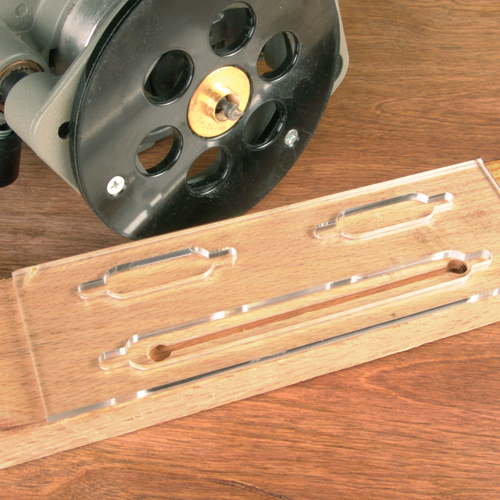
Eagle America is also offering a bonus kit of tools that can help make building the frames a little easier. “Clamping those miters could be tricky, so we’re throwing in a Self Squaring Picture Frame Clamp. You have to also hang the frame as well, so we’re also adding a keyhole bit and keyhole template to make that process a little easier. We have some other goodies in the kit as well…”

My son has gotten to the age where his baby pictures are starting to become embarrassing. I think it’s kinda cute now, but I’m sure it will start to wear on me soon. No matter how old he gets, he’ll always be my little boy.

And, I’ll have the photographs to prove it!

Quick Poll

It costs money to woodwork.  Buying new tools, bits, blades, sandpaper, wood, hardware… well, it all adds up.

This week’s quick poll deals with how you handle the finances of woodworking.  Do you use the general family funds?  Have you set up a separate account for woodworking?  Do you keep a mason jar full of cash buried in the back yard?

[poll id=”119″]

Link of the week

Segmented Turning.com

Turners often look at chunks of wood and envision what designs they can coax out of the piece.

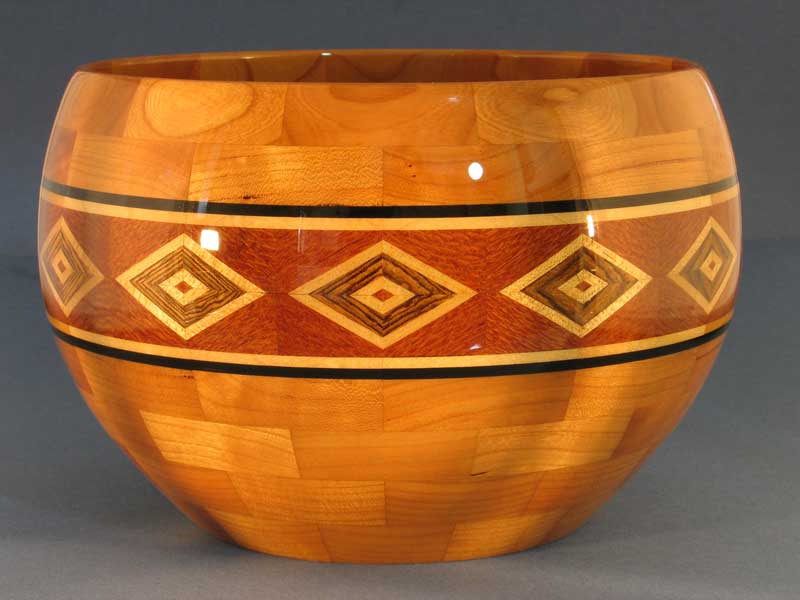
And then there is segmented turning.  By gluing together properly angled blocks of wood into rings and then stacking those rings of different diameters, wood turners can create a staggering variety of pieces with intricate designs.

This site offers tutorials on how the process works, software that allows the woodworker to design their piece and free plans for handy jigs to help build the project.  Draw inspiration from a gallery of turned pieces and even purchase kits of precut wood to get started quickly.

Stuff I’ve built: Carolina’s hope chest

April, 2010

(Yes, I am aware that there are very few close-up photos of this project.  I was rushing to get this finished and given in time for this past Sunday and it totally slipped my mind.  However, I asked my niece to snap a few photos to add to the article… coming soon!)

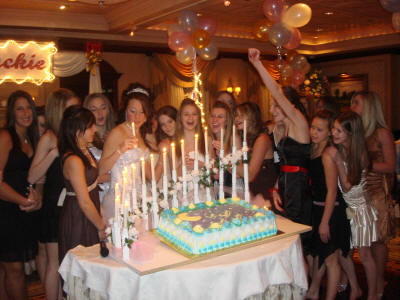
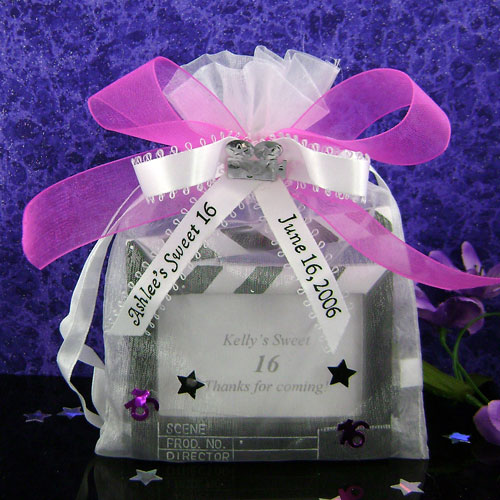
Regardless of where you go in the world, you are likely to find ‘coming of age’ ceremonies for kids reaching their mid-teens.  Confirmation in Roman Catholic churches, Bar or Bat Mitvahs in the Jewish faith and the Quinceañera found in Latin American cultures.  Debutante balls. Getting your driver’s license. All of these ceremonies show the community that the child has now reached an age where he or she can start taking charge of his or her own life.

In most western cultures, we celebrate a Sweet 16th party for girls.  This tradition goes back to the bad old days, when life expectancy was only a sobering 45 or 50 years.  When a young lady reached that milestone, she was considered eligible to be courted for marriage in order to  start a family while she was still young and healthy.

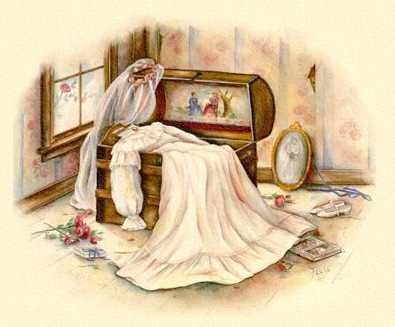
To help get the young lady ready for marriage, the family would start to build her trousseau or dowry – the items she would bring with her into the union. Cooking pots and pans, serving dishes, linens and other daily items were typically included, as well as any small favors given to her while she was younger – perhaps a treasured blanket made by a grandmother or something else with meaning.

In order to safeguard these items, many times a hope chest or dowry chest would be built.  This way, the items could be collected and stored until the big day, when it would be loaded onto the horse and buggy for the trip to the couple’s new home.

Starting in the 1950s, with the arrival of registering for bridal gifts at local department stores, the tradition faded into memory in many families . But, of course, as a woodworker, I can’t let such a tradition go silently.

Since I don’t have a daughter of my own, I feel a close tie to the four nieces in my family.  Carolina, the eldest, recently celebrated her 16th birthday.  Since I knew she was going to be busy with parties involving her friends, and she was going to be joining us for Easter dinner this past Sunday, I figured I could be a little late with her present – a hope chest.

Many thanks to the folks at Wood Magazine for providing the plans for this blanket chest in the November 2009 edition, and I can’t say enough about Eric Poirier and the folks at Bell Forest Products who contributed the gorgeous tiger maple for this project.

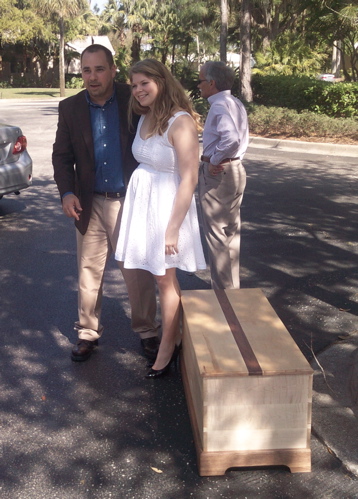
The body is glued up (now you know why I was posting so much about panel glue ups this past week!) tiger maple with variably-spaced dovetails cut on my Keller jig.  The top has battens across the middle glued right at the center and screwed in to allow it to expand and contract while still remaining flat.

Figuring the maple might look a little too stark without any contrast, I glued a strip of walnut down the middle of the top and also used walnut for the base molding. Since I also messed up the miters on the base molding (I know, don’t dwell on the accidents!), I rounded the mitered molded top over with a rasp and sandpaper.

We had been leaving clues for Carolina all week. The sound of the table saw on her phone mail.  A few hints on Facebook.  But, she didn’t have any idea what was coming.  We ate Easter brunch together with many of our family members, but didn’t let on what was in the trunk.

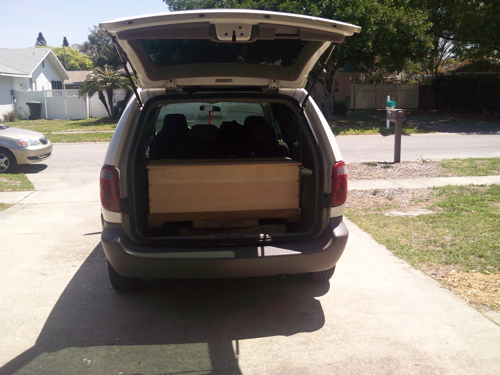
After we left the restaurant, we all proceeded to the back of the minivan for the big reveal.  I told Carolina that I had gotten her a new set of jumper cables to keep in her trunk as a present for getting her driver’s license.  She didn’t fall for it.

As I was opening the tailgate of the van, a thought ran across my mind.  Would a girl born in the age of text messages, the Internet and other modern conveniences even like something as old fashioned as a hope chest?  When I lifted the canvas drop cloth that was hiding the chest from view, I got my answer.

She loved it.

Do I want her to go out and get married now?  Nah, she’s still too young.  But, knowing that the hope chest I built will be part of her life from here on out is a pretty amazing thing.  Maybe something she will share with her daughter or granddaughter when she reaches her sweet 16.

Now, only three more nieces to go!

Changing dovetail width with a fixed jig

I use a Keller dovetail jig for the majority of my dovetailing on projects. It’s easy to set up and makes cutting very quick.  However, the one knock on a fixed spacing jig like that is that it gives only one look to a project.

Not so.

There is a very easy way to change the spacing that doesn’t take much in the way of fiddling and gives very good results.

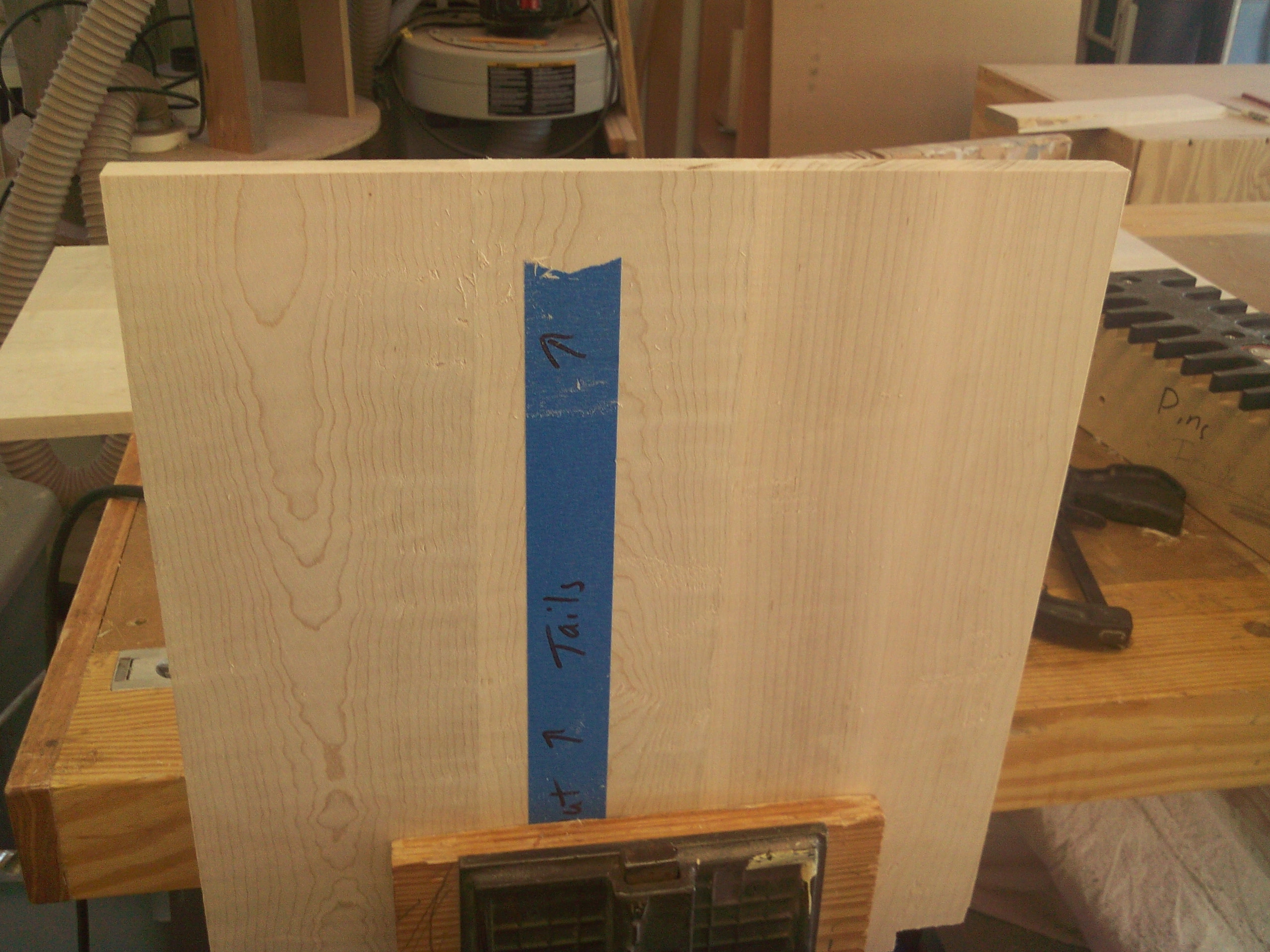
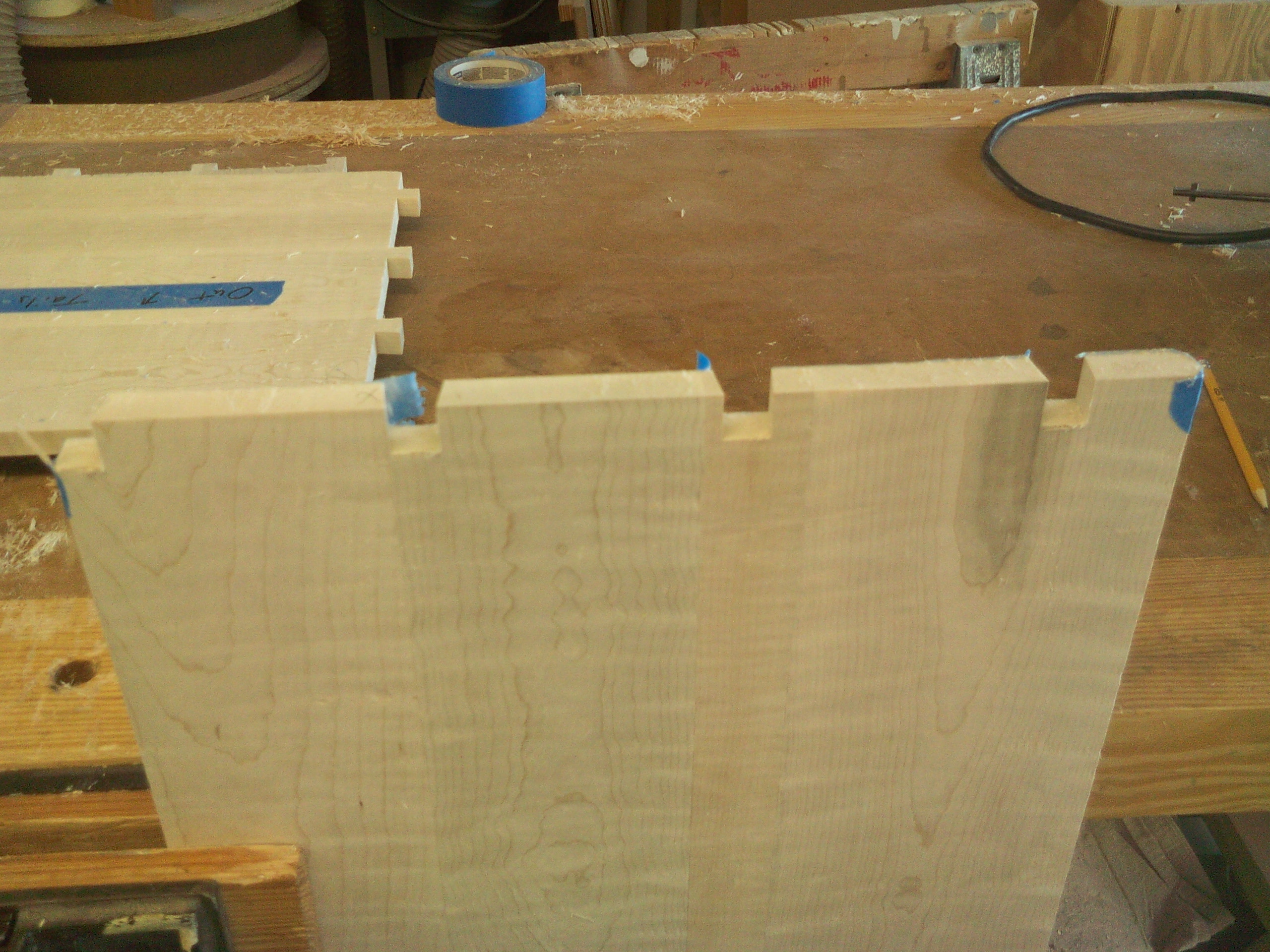
First, you have to make sure you have the piece clamped appropriately in a vise.  Determine which pieces will get the tails and which will get the pins.  In this case, you are looking at the outside of the tail board oriented face out  with the top facing left.

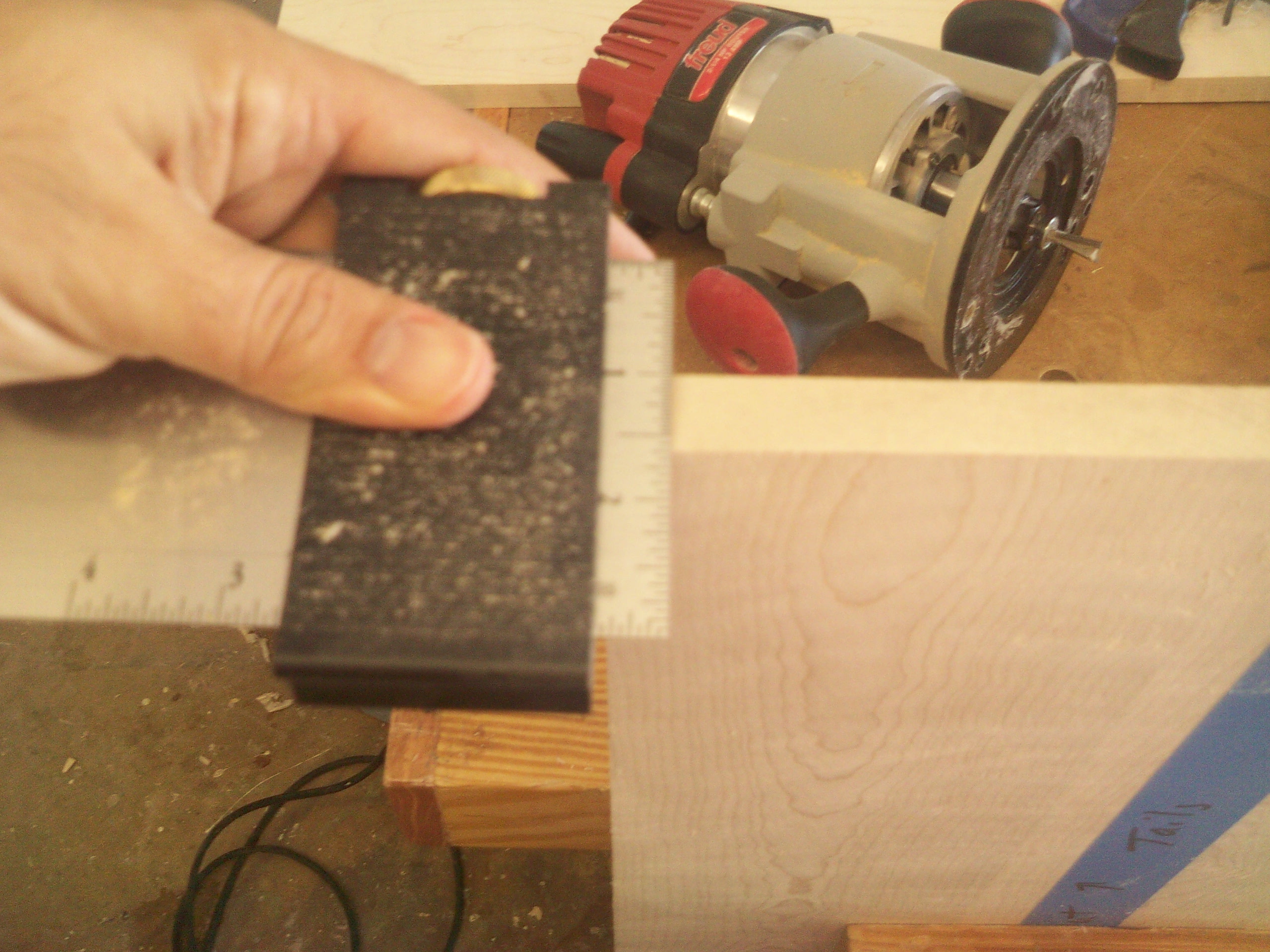
Here I am marking in 1/2″ from the edge of the board as a starting point for the guide.

With the jig in place, I use the dovetail bit to cut in every slot, creating an entire run of pins.

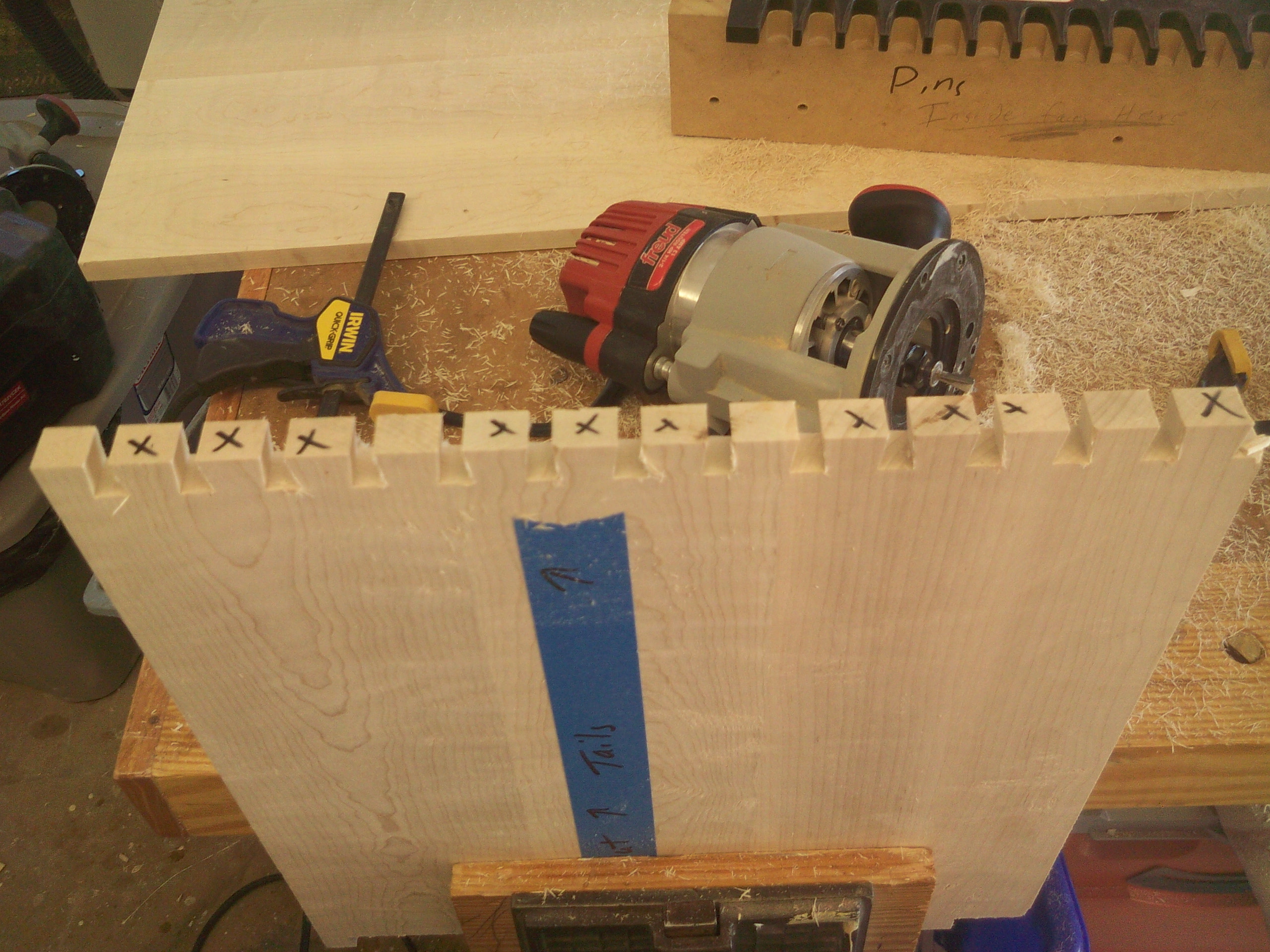
From there, I mark out the tails I want to remove. This is where I can set up my spacing and get a good idea of what the joint will look like.

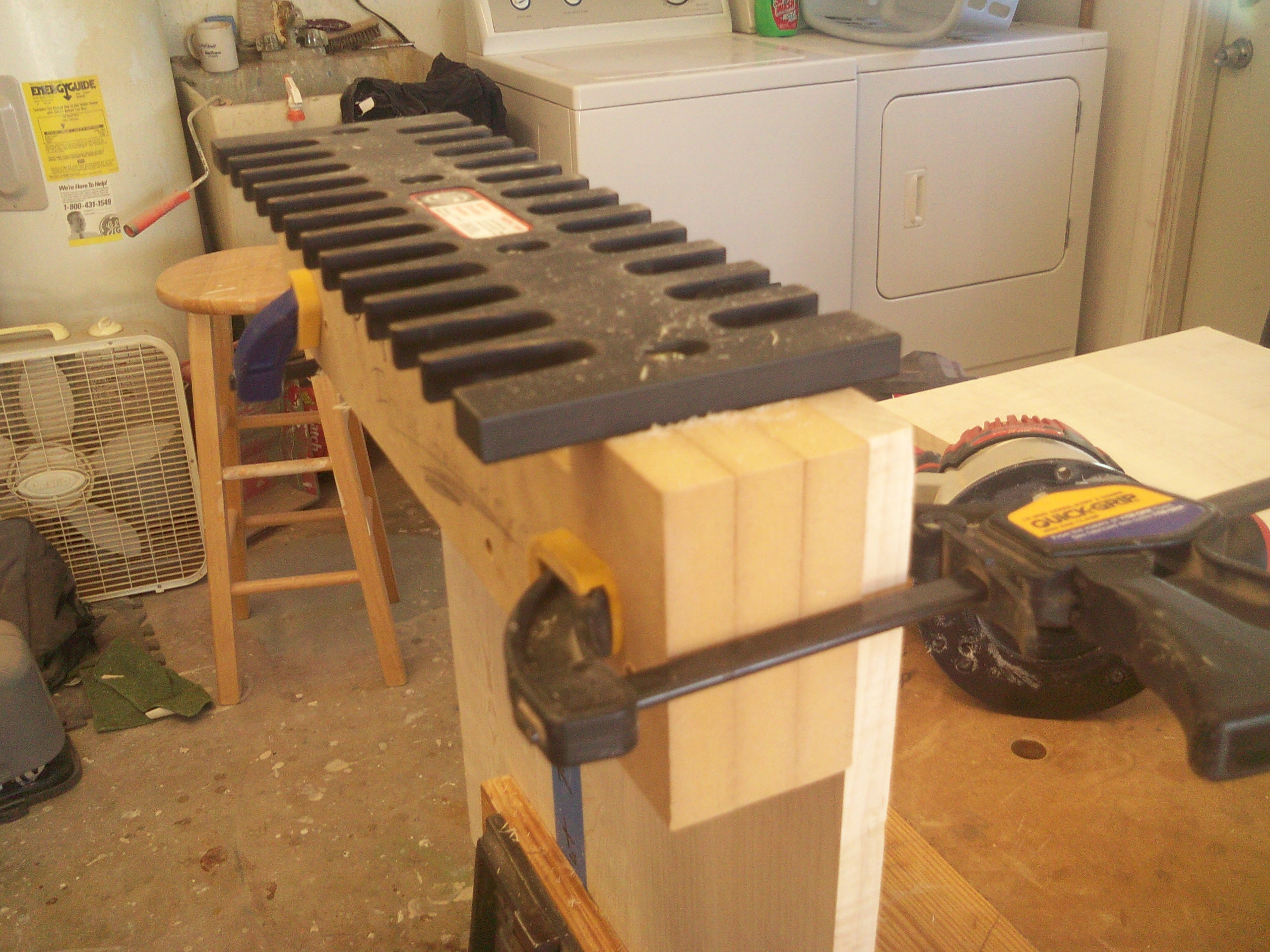
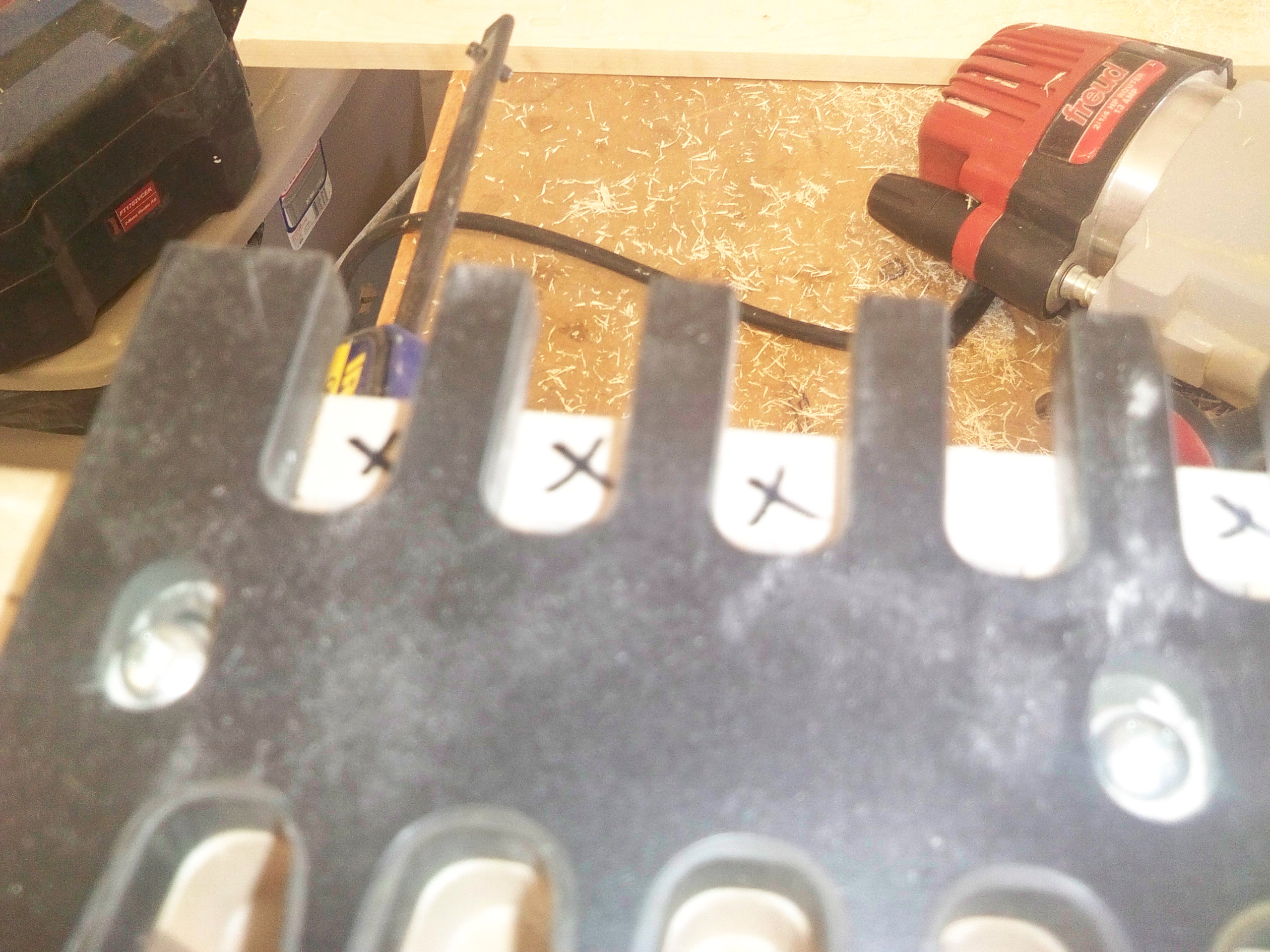
Next, I place the comb of the jig over the tails I want to remove and clamp it in place.  I then use the dovetail bit to remove the xed out tails to open the pattern.

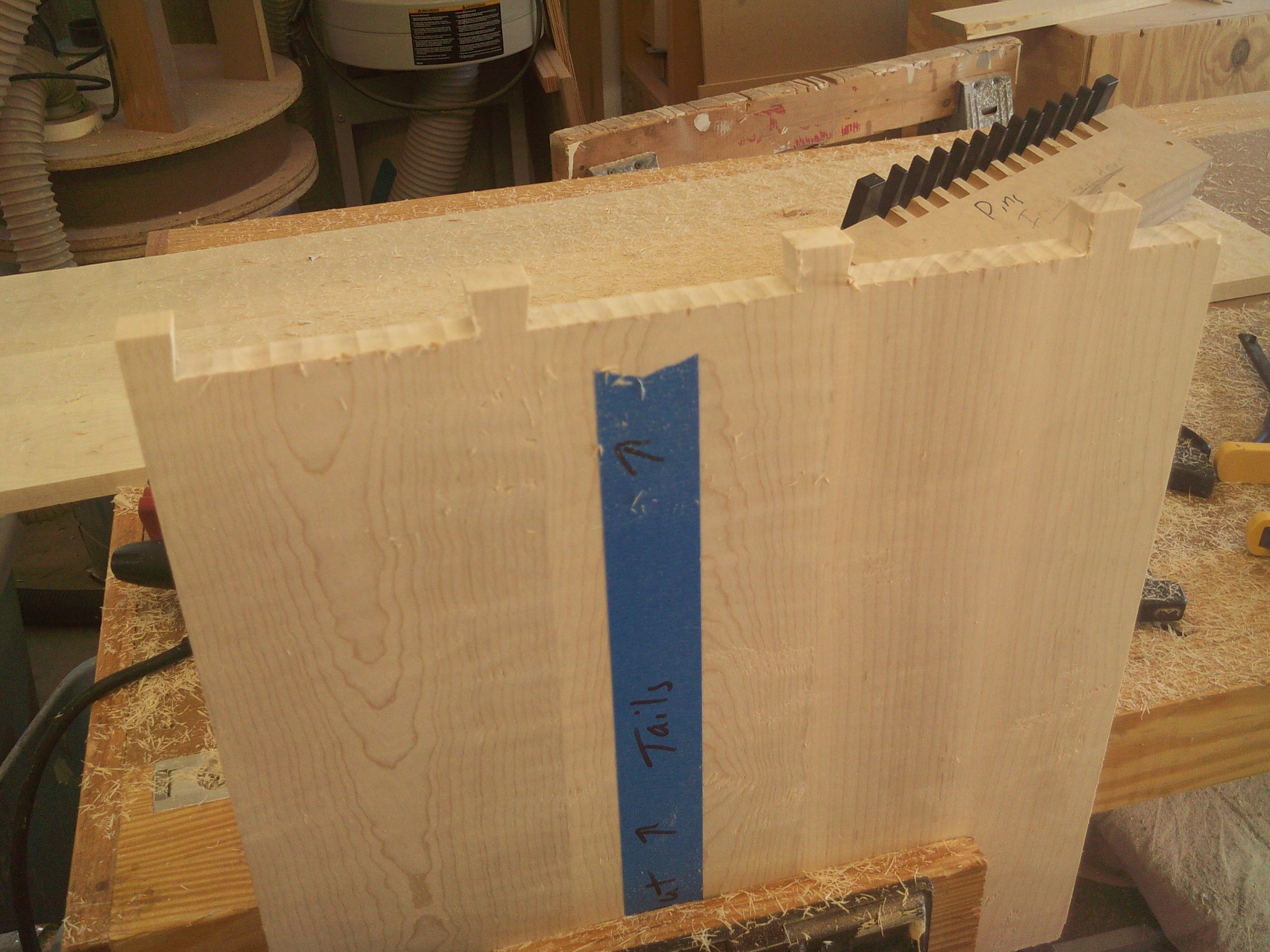
The results are pretty sweet… nice, crisp tails ready to scribe onto the pin board.

By carefully marking out which pins need to be routed, you can have them lined up accurately and just cut the pin sockets you need.  Here’s the pin board ready to go.

Now, what project is all of this stuff for?  Sorry… you’ll have to wait a little bit longer to see!