For your listening pleasure..

It’s like the planets have aligned today in the woodworking blog-o-sphere.  First of all, the FOURTH episode of the Modern Woodworkers Association online discussion has been posted.  This month, we’re talking all things Sketchup and we do a review of an educational video to see if it really can improve your designing.  Pull up a chair and listen to it here:

If that wasn’t enough, Andrew Detloff of Ravinheart Renditions did an interview with me a few weeks ago about what I do in my shop. We rambled for a while, so if you are interested in hearing what happened, check out this video.

If you have had enough of me for one day, check out this video of the Tampa Bay Rays’ video mascot, DJ Kitty, yo.

Now, get out there in the shop and make some sawdust!

Link of the week

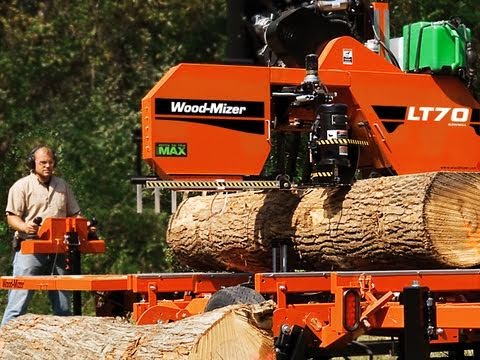
Wood-Mizer Portable Sawmills

When you want wood, you go to a hardwood supplier or local sawmill and get some awesome stuff. When the old tree you used to climb in behind your grandparent’s house blows  over during a storm and you don’t want to see it ground up into mulch, you need to bring in a portable sawmill.

The folks at Wood-Mizer are specialists in portable wood mills, but that’s only one part of their offerings. In fact, they sell all of the the equipment to take a tree from its whole form to useable lumber. Even if you don’t want to own your own, the company can put you in touch with local portable sawmill owners who just might be able to help you out.


Membership has its advantages

Think about it. When I first started woodworking – and for the first few years of my time in the shop – I was a lone wolf. A maverick. I was a man unto myself.

Oh, sure, I had the Woodworker’s Website Association online. It was a great forum to belong to, and I had the chance to virtually meet a bunch of other woodworkers who were doing things over in there shops. I started posting there in 1999, and it was pretty cool. Through those contacts, I was invited to a woodworking school where I met a number of great woodworkers – oh, and this guy named Marc Spagnuolo.

Speaking about that guy Marc, it took a couple of years after we met, but blammo – he created The Wood Whisperer website, and eventually the Wood Whisperer Guild. This online community gives me the opportunity to push the envelope in my woodworking – to try new things I would have never considered doing. While it is a virtual community, I know I’m not alone. I could read about how to do different techniques, get feedback from the other guild members and show off my successes.

Just this past year, I also became a member of the Modern Woodworkers Association. Chris Adkins, Dyami Plotke and several other woodworkers came up with this awesome concept at the last Woodworking in America conference. With so many woodworkers looking for online content and posting their projects, the MWA has become a great place to check in and let the woodworking world know what’s going on in your shop.

While I have been woodworking in my shop here in Florida, I was unaware of a great resource right in my own backyard. The St. Petersburg Woodcrafters Guild has been meeting just down the road from me for about as long as I have been living here in Florida. Every month, local woodworkers have been coming together to swap stories, brag about their exploits, point each other in the right direction when making tool purchases and offer advice when a member became stuck on a technique. It was just this past February when I attended my first meeting … and last night I took the plunge and became a member.

Now, I go to my shop all alone when I want to escape the real world and reconnect with the craft I enjoy. But, I know better. I’m not just by myself … I’ve got a lot of support.  That’s pretty reassuring.


Big and beefy

Part of the fun of being a woodworker is that friends like to keep an eye out for things that you might be interested in. I’ve had people find beat up, ugly, rusty hunks of iron that might have been planes and give them to me. I’ve had people hand me half-used cans of dried up paint to use as a finish on an upcoming project. Then there is the wood.

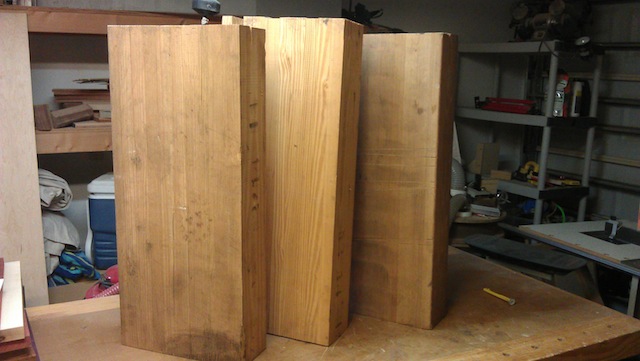
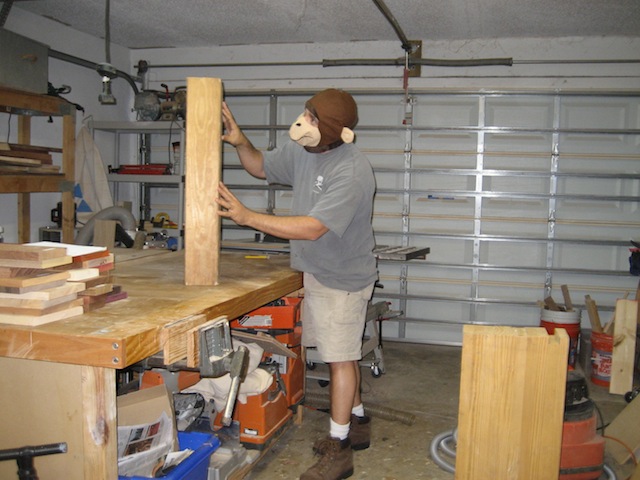
My friend Al from down the street stopped by my shop on a recent sunny Saturday morning.  He was driving his pickup truck and asked me to check out something he had in the bed. I looked in and found some very interesting offcuts.

Yes, these are the tail ends of some glue-lam beams that were being pitched, and he wondered if I might be able to use them. Never one to turn down something unique, I took them.

Al told me they were indeed cutoffs from a project going up near his office. They are the support beams for a common space in an apartment/condo building, providing the inside with a tremendous wide-open span. I’m sure they would probably be clear finished or painted to match the interior decor.

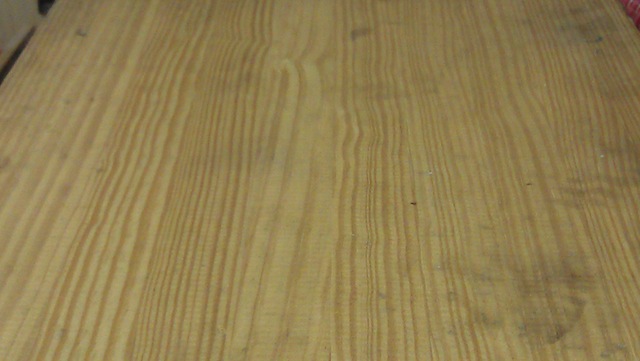
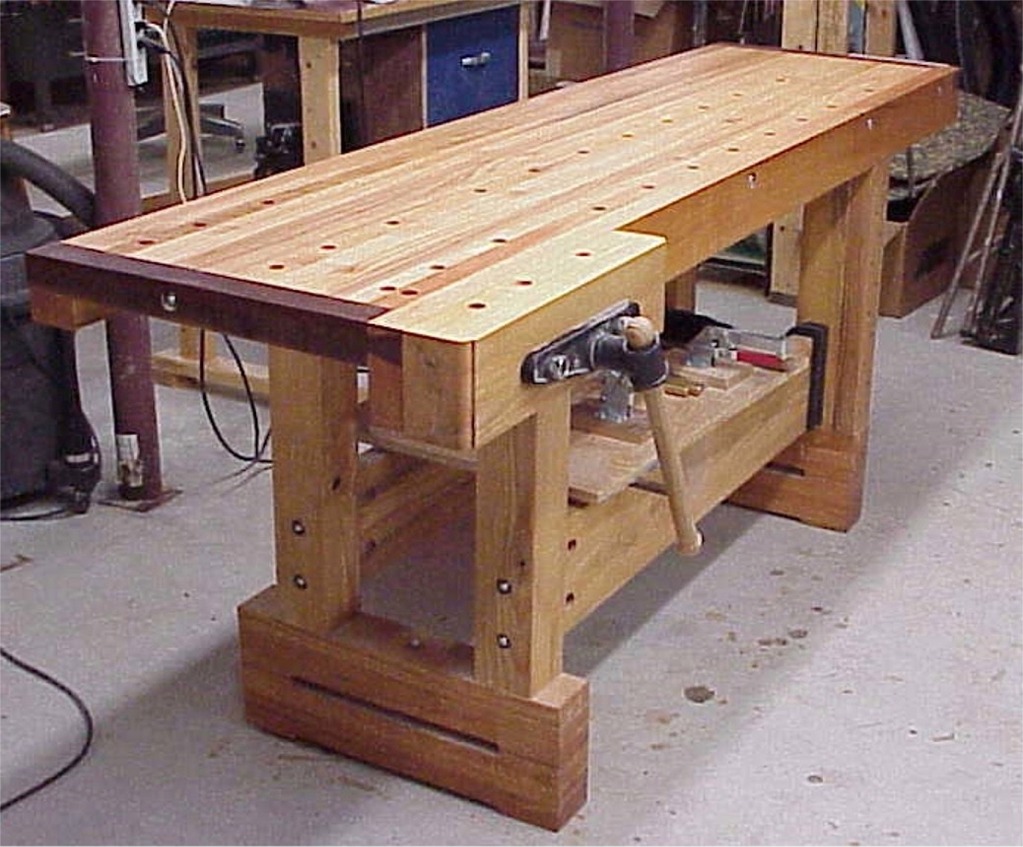
They are massive, made of southern yellow pine. Five inches thick and 13 1/2 inches wide, they are made by gluing up numerous smaller boards.  Obviously, from looking at the grain, there was no effort spent in trying to make them look like one massive board, but hey, that’s cool. I’m sure that they are at least as strong – if not stronger – than a solid SYP beam of a similar size … if you could find one. Gosh – a couple of these things, a stand, a vise and you’d have one heck of a workbench…

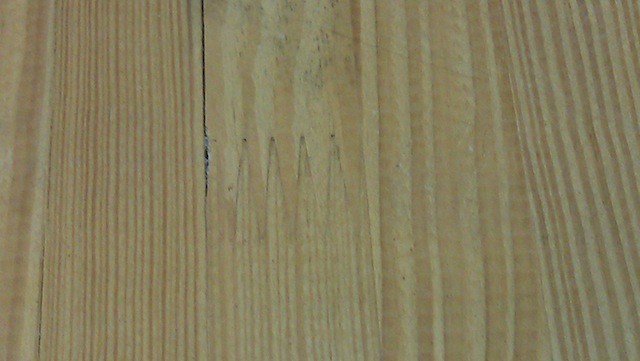
Al told me that the beams were pretty darned long, and I wondered just how they connected them. Sure enough, they were using finger joints, and staggering those joints between solid pieces, so, believe me, they seem plenty strong.

They were so impressive, that even Iggy came by to take a look at their – how shall I put it – monolithic type appearance (Has anyone seen Mr. Kubrik’s assistant lately?).  I’m wondering what the old chimp may be up to, but I’m sure he’ll come up with one heck of a project for these big and beefy parts.


Quick Poll

Face vises. Wagon vises. Leg vises. Shoulder vises. When it comes to work holding tools, there are many devices (sorry, just had to throw that one in there) woodworkers can turn to.

From simple shop-made tools to fancy, elaborate highly-engineered cast iron behemoths, there is a work holding contraption that can immobilize your work for just about every taste, preference and price point.

This week, we’re looking to see how many vises are on the main workbench in your shop. Do you have a vise in every corner of your bench, or do you rely on other work holding devices?


Link of the week

Time Warp Tools’ wooden bench dogs

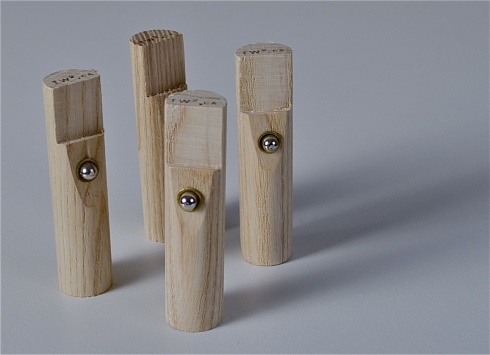
RUFF!  Bench dogs are some of the handiest things you can have for your workbench. These babies set into dog holes in your bench allowing you to clamp work down securely using either the dog in your bench vise, wedges or other holding contrivances.

Many of these bench dogs are metal. And, should you plane past the edge of your work and your plane iron hits the metal dog, well, get ready to do some serious sharpening. And, if you really crank down on the pressure to hold the work down, metal dogs are more likely to mar the face of the board they bear against.  That’s why wooden dogs are preferred… and that’s where the folks at Time Warp Tools can help.

These babies are made of kiln-dried, quartersawn ash which is both plenty strong to immobilize the workpiece and soft enough to avoid causing any dents.  Just as importantly, cutting edges aren’t affected in the least when they accidentally hit the dog.  A sprung ball catch allows the dogs to hold their vertical position.

Now, if you need a plane to go with that snazzy new set of bench dogs, why not check out their hand made wooden planes?

A mystery inside a riddle…

Pull up a chair and chat with a couple of woodworkers about – I dunno – table saws.  They’ll go on for hours yapping your ears off about horsepower, riving knives, accessories, dust collection, blade selection… the works.  How about routers? Holy smokes, where to even begin with routers?  Hand planes? You betcha – bevel up or down, Japanese or western, the best way to set the chip breaker…
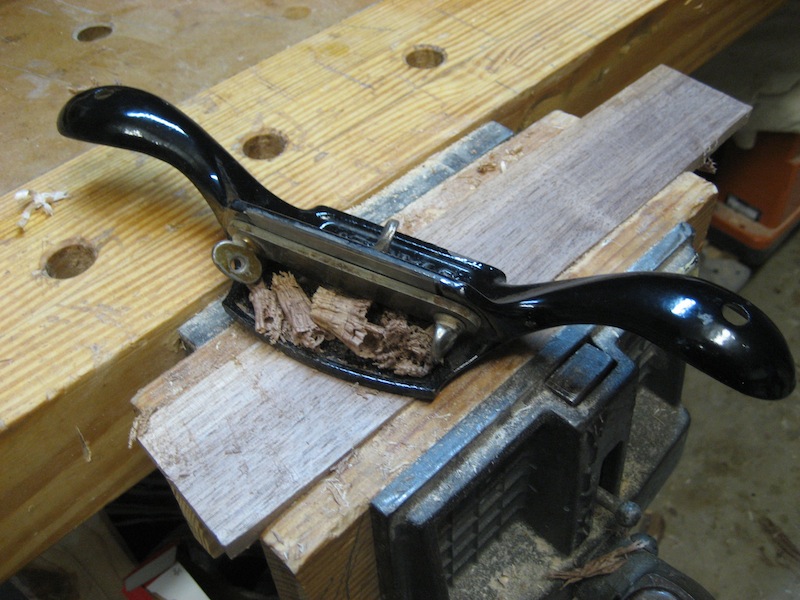
How about this? Ever see woodworkers debate passionately about these?  Can you find lots of detailed books in the library about the care and feeding of them?  Probably not. An Internet search will leave you scratching your head, too.  There’ s not a lot out there.  That’s a shame, because the Stanley No. 80 cabinet scraper (and the ones made to look and work like it) is a handy tool to have around the shop for a lot of reasons. Unfortunately, your search for information may be shrouded in mystery… Heck, it took me years to figure out how to use mine!

Let’s talk for a minute about scraping. Hand scrapers, cabinet scrapers and scraper planes really don’t scrape, as it were. They work like extremely high-bevel plane irons, taking very fine shavings from the piece you are working on. What they create is known as a type III chip. This chip formation dealio was laid out shortly after World War II by a guy named Dr. Normal Franz to study the effects of cutting in industrial manufacturing . Scraping is a great way to get your project to an ultra-smooth surface – especially on highly figured wood. In fact, I like to break my scrapers out after I sand if I am looking to get the best possible finish for a project.

Many woodworkers love their card scrapers, but they can be a challenge to hold in the proper position at the proper angle for a long time.  The blade heats up, the edges can dig into your hands and your thumbs will be aching like nobody’s business.  Scraper planes are cool, but wow, some of them have big time price tags.
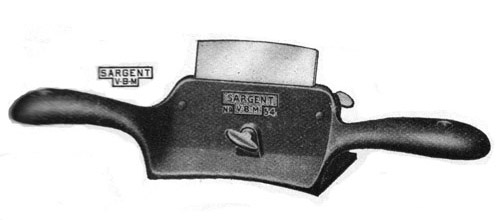

Then there are the cabinet scrapers.  These things are ubiquitous. You can find them at nearly every flea market, garage sale and online auction site. Why are they so plentiful?  Because they have always been – and still are – so darned handy!  These babies resemble large spokeshaves in many ways – a cast iron body with a pair of handles, a way to secure the scraper blade and a thumb screw to flex the blade to help it protrude from the bottom.

The challenge is that their blades aren’t like regular card scrapers. Those hand-held versions have square edges on all four sides and have a particular way of being prepared. The No. 80 is a different kind of animal. It’s scraper has two ends that have a 45 degree bevel on them. These bevels can both be sharpened and honed, and still need a burr turned on them to be effective.

For years, I have tried to get the one I bought online to work. Sometimes, I had moderate success. Other times, well, let’s just not go there.
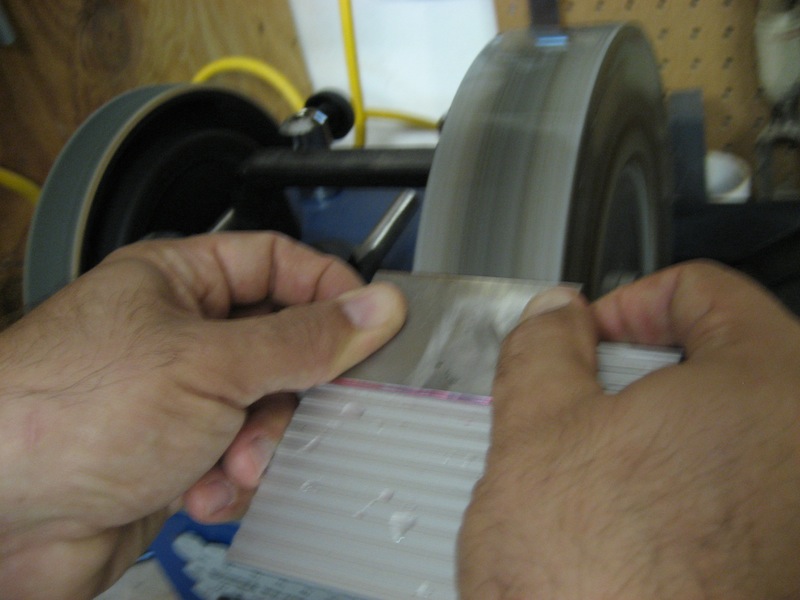

One thing I have discovered recently is that my Tormek does a pretty decent job getting the blade into shape.  I can use the tool platform on the guide bars, then adjust it so the blade kisses the stone at 45 degrees. By carefully moving the blade side to side, I quickly have a well ground bevel to begin my work with.  I will then flip the blade over so the flat side is down, and I’ll give it a quick pass on the strop side.

But, wait, aren’t I trying to create a burr to do the cutting?  I sure am, but I want to control how the burr turns myself.  The quick honing gets rid of the wire edge, giving me a nice, flat surface to start with. I also give the bevel a quick roll on the strop as well. Hey, sharp is sharp!

From there, it’s a simple matter to clamp the blade in my vise and, using a screwdriver as a burnisher, roll the burr about ten degrees toward the flat back of the blade.  When you insert the blade, do it from the base up. This protects the burr you have worked so hard to create. With the blade in place, set it on a flat surface and make sure the blade is contacting that surface as well. Tighten the screws that hold the blade in place, and then every so gently turn the thumb screw until it contacts the blade.  This is your fine adjustment.. the more you tighten it, the more the blade will protrude from the bottom, taking a heavier cut.
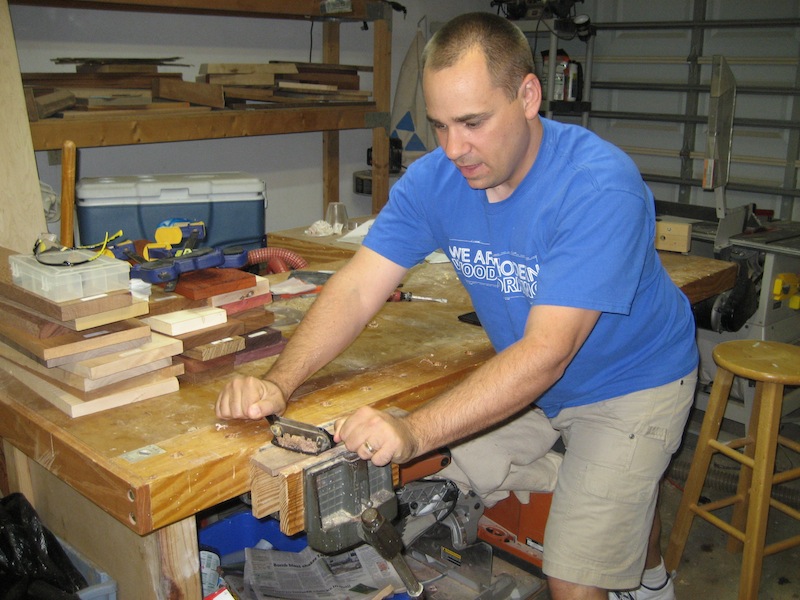
You can push or pull the scraper, depending on how comfortable you are with it. Just keep the thumbscrew on the back side of the scraper as you work and you’ll be golden. When you are making very thin shavings, you are in the butter zone. When the blade starts to make dust, it’s time to sharpen and turn a new burr.

Once you get this baby figured out, you’ll wonder why you have gone so long without having one in the first place!  Just think of the conversations you’ll have with your woodworking friends.

Patrick Leach of Superior Tool Works has a brief introduction to the No. 80 on his site.

Replacement blades for these classic tools can be found at Hock Tools, Lee Valley Tools and many other sites.

One of the best tutorials I have seen for this tool can be found at the Lee Valley Tools site.

 

part of the Wood Talk Online community