It’s been said that our youth are the greatest resource to build a strong tomorrow. Just look into the bright, shining faces of a class of first graders and think what miracles of technology they will play a part in creating.
Unfortunately, for far too many of our young people, their futures look grim. Raised in areas of the country where positive adult role models are hard to find, at risk youth can easily find trouble, which can rob them of the promise of their futures. Instead of looking to their adult years with the promise of education and success, many may face prison as the lure of easy money through criminal activities steers them off course.
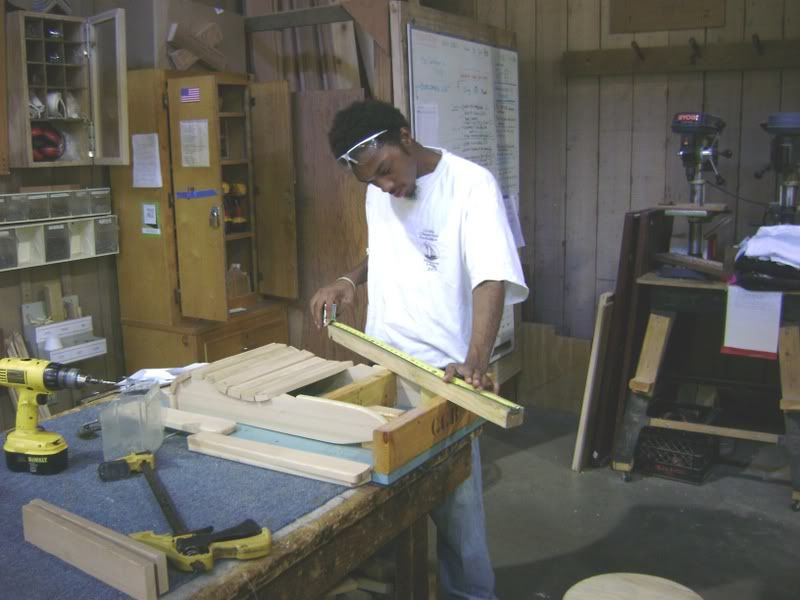 That’s where programs such as Living Classrooms Foundation’s Fresh Start can help get these kids back on track. Living Classrooms, a Baltimore-Washington, D.C. based non-profit organization, helps youth achieve their potential by providing education and job training, using urban, natural, and maritime resources. The Foundation’s Fresh Start Program teaches carpentry and woodworking skills to serve as a springboard into improved academic skills, employability skills and sense of purpose and direction.
The program was founded in 1989 in cooperation with the Maryland State Department of Juvenile Justice. Rather than arresting these youthful offenders, holding them in jail and retuning them right back to the same streets where they got in trouble in the first place Living Classrooms Foundation provided the space, tools, materials and – most importantly – the instructors to get the job done right.
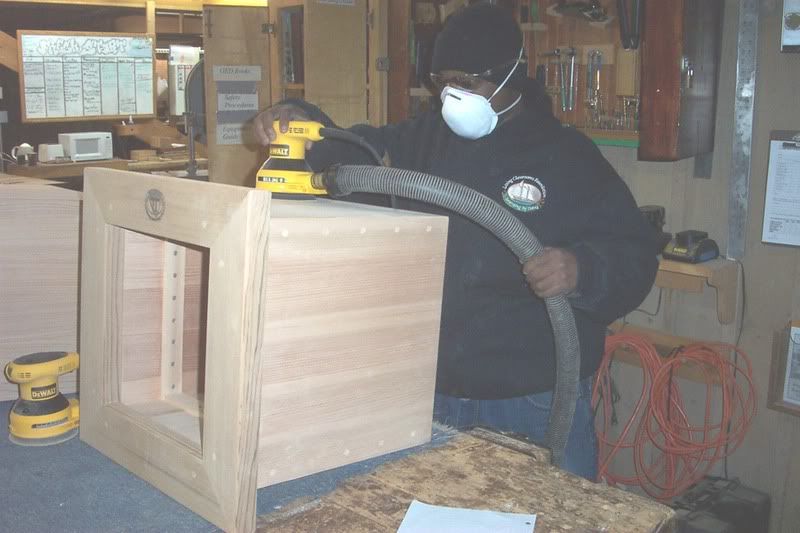 According to Stephanie Region, Fresh Start’s Director, those staff instructors are the key to the program. “The experience of our staff has traditionally varied over the years – we have had ex-military men as instructors from the Coast Guard and Marines, as well as artists and experienced woodworkers. Currently our staff consists of men and women with art backgrounds and woodworking expertise, as well as experience in teaching and youth development.” Region was quick to point out that the program doesn’t seek to merely supervise kids in a wood shop. “It’s all about engagement with each student. We empower them by putting them in charge of their success. It’s tough for them at the beginning of the program, but they take to it quickly. It’s always amazing to see these transformations.”
Members of Fresh Start are referred by Maryland’s Department of Juvenile Services, and the training is rigorous. The entire program takes ten months to complete, and exists in five stages.
• Toolbox – In the first module, students build their own toolbox out of white pine, using only hand tools. They become acclimated to the program and are introduced to the soft skills needed to succeed in the world of work.
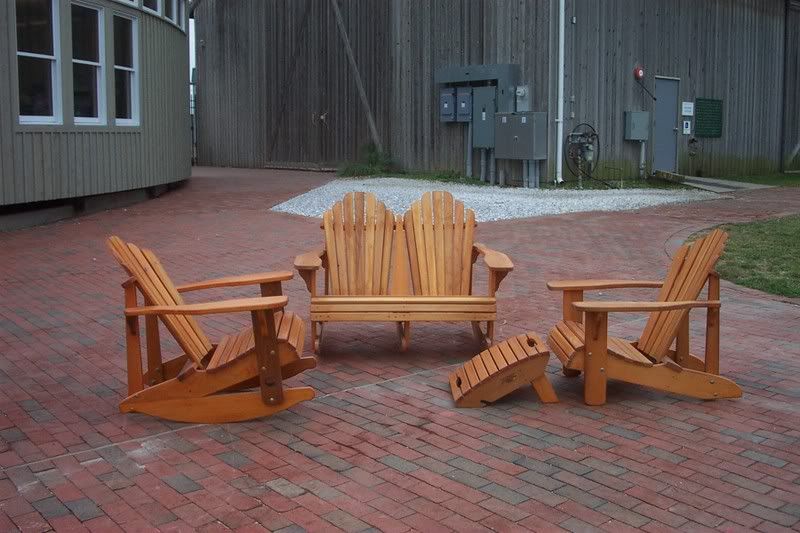
• Production – Students are trained in the safe use of stationary power tools. They produce a line of outdoor furniture as part of a student-run business.
• BOAT Building – Students are introduced to the business side of production. They learn the basics of economics, marketing, and customer service. Students also learn advanced computer skills such as website creation and maintenance, Microsoft Excel and PowerPoint.
• Work Study – This module focuses on part-time employment. Students also complete activities preparing them for independent living and positive citizenship.
• Internship – This module consists of full-time employment. Students keep this job through graduation and beyond.
 What happens after completion of the ten month program? According to Region, “Fresh Start provides three years of aftercare and tracks data and statistics for all graduates during that period. A testament to the relationship built between Fresh Start staff and our students is the fact that our graduates – even students that didn’t graduate for various reasons – keep in contact with us well beyond three years.”
The Fresh Start Program’s statistics are exceptional, with 75% – 82% of graduates still employed or continuing their education at the end of the three year period, and fewer than 13% of the graduates finding their way back into the justice system. It’s not just citizenship and carpentry skills that are taught, either. Reading, math and writing scores also show an average of a grade and a half improvement at the end of the ten month program.
The results have been so impressive, in fact, that in December 2007, Living Classrooms Foundation received a $1.6 million grant from the U.S. Department of Labor to replicate Fresh Start in two new locations. In July 2008, Fresh Start opened a new site in East Baltimore and another in Washington D.C., and the new students keep on coming.
The bond between the program and its graduates remains very strong. Stephanie cites that even graduates of the original 1989 class will drop in to say ‘hi’ or call looking for old instructors. “More recent graduates will call to invite us to their weddings or housewarming parties when they move into their first apartment. That’s what it’s all about – establishing positive relationships that foster patterns of success and improved interpersonal relations. For many students, Fresh Start is the first place where anyone really believed in them – and the first time they believed in themselves. They never forget that and we don’t either.”
The Fresh Start Program gratefully accepts donations of tools to help keep the shop running. Of course, given limited budget and transportation resources, Fresh Start asks that any donations be for small tools that can be mailed, or that arrangements be made to deliver larger tools in good working order.

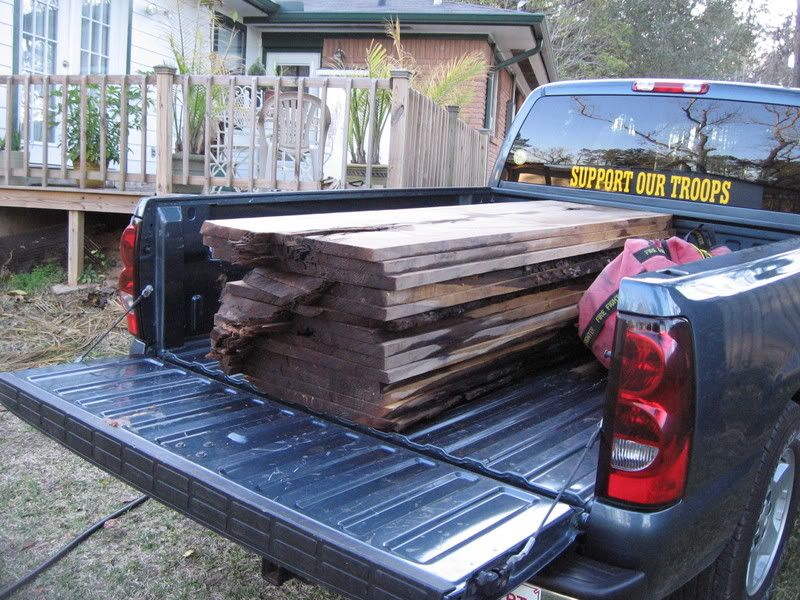 Some of the tales are legendary. “My two neighbors and I found out about this rare tree that was being cut into boards and we JUST HAD to have it. So, we loaded up the trailer and started a cross-country trek…”
 One thing I have never built in my decade as a woodworker is a chair. Sure, I’ve built lots of stuff in my shop, but the challenge of chair building has always stopped me cold in my tracks.
 Maybe I’m a different kind of woodworker, but I really do enjoy the challenge of making doors and drawers. Those are typically the pieces of a project that cause woodworkers the most angst.
 In that kitchen remodeling section, big time manufacturers such as
  I am pleased to announce that
  Has this ever happened to you? When you get your project mostly complete, you move it to the spot where you want to finally place it and – dang – it doesn’t seem ‘right’ to your eyes. Or, while building, you cut a series of joints on a project, but they don’t seem to add anything to the overall appearance of the project.
 Where should you put your table saw? Would the band saw work better in one corner of your shop or another? Do you have enough room to build that miter saw bench along the back wall?