All posts by Tom

I'm the guy who writes the blog...

Stuff I’ve Built: Paul’s Home Office

Remember this?

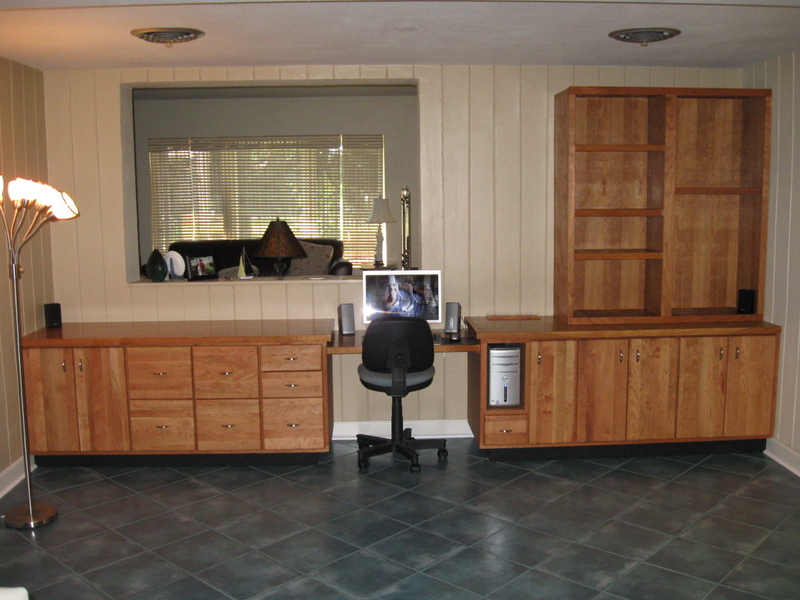
That was my friend Paul’s home office arrangement when he called me over and asked me to consider helping him build a home office setup.  Something with storage, work space and a nice little computer area.  What he had obviously wasn’t going to work.

Well, it’s been about two and one half months, and, we’ve gotten to…

Hold on, that’s the Finnish line….

Nah, that’s the finishing line…

That’s it!  We’ve gotten to the finish line… and boy, does it look good…

The doors are in, the drawers all work and the book shelf is ready to be loaded up. Paul and his wife spent a lot of time with the finish – Waterlox on all of the panels that are cherry plywood and Danish oil on all the solid wood doors and drawer fronts. The computer desk and the CPU tower cases are grommeted to allow the cables to run without snaking all over the place.

Even with the sweet finished  product staring me in the face, there was something I enjoyed a whole lot more than getting this one completed.

It was the fact that Paul and I were able to work so well together and both of us were able to learn a tremendous amount about cabinetry. Oh, and I got to meet and work with a hell of a guy…

Now, time to clean up the shop, get everything sharpened, and start thinking about the next project.

A Love Story

I want to apologize to each of you – the loyal Tom’s Workbench readers. There was no quick poll yesterday…  But I have a good excuse!

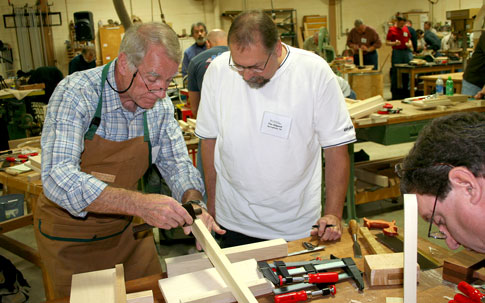
You see, I had travel plans… plans to attend the Woodworking in America conference up in Cincinnati, Ohio. Well, just south of Cinci in Covington, Kentucky, but you get the idea.  The WIA, if you are unaware, is a big three-day woodworking summit featuring a large marketplace, numerous classes and plenty of opportunities to meet woodworkers from around the country.
While there, I didn’t have access to the Internet.  I had an issue with being charged extra for web access while I was already staying at a hotel that caters to business travelers.  I mean, honestly, it’s 2010 and most budget hotels don’t charge for the service.  I’m sure that indoor plumbing was an upsell at hotels a long time ago, too.

Besides, I needed to hoard my pennies because I was there on a mission – I wanted to upgrade my chisels.

This isn’t the article I planed to write. My initial idea for this article was to go from booth to booth, holding chisels from the many manufacturers to feel their handles, check their balance and see how well they pared and chopped wood. There were some serious manufacturers there – Blue Spruce, Lie Nielsen, Hirsch, Veritas … they were sweet!
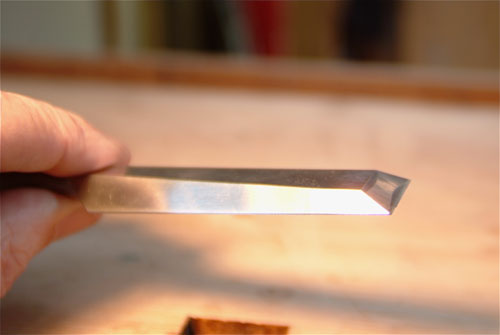
After my first lap around the floor, I stopped at the booth where Mike Siemsen was hosting the hand tool Olympics. Mike is an extremely knowledgeable  woodworker who specializes in hand tools. I told him what I was looking to do, and his first response was interesting – he told me to look for old chisels. His reasons made sense – the older chisels were made in a time before the wide proliferation of power tools, so these were designed to be workhorses.  He also told me that some of the new chisel manufacturers like to polish their blades to a mirror finish – which makes them look pretty, but rounds over the sharp edges in the corners.  Regardless how well you sharpen the tool, you may never be able to truly get it ground to a sharp corner to pare into edges.

There was a booth I had to check out.  Patrick Leach of The Superior Tool Works had a booth there and WOW… did he have some tools for sale.  Classic planes, measuring tools, saws and chisels. First, I thanked him for running such a great site and told him how much I enjoyed reading his Blood and Gore page describing the different models of Stanley planes. I told him about what I was looking for, and – without blinking an eye – pointed across his booth crowded with classic tools and drooling woodworkers and showed me a set of chisels I might be interested in.
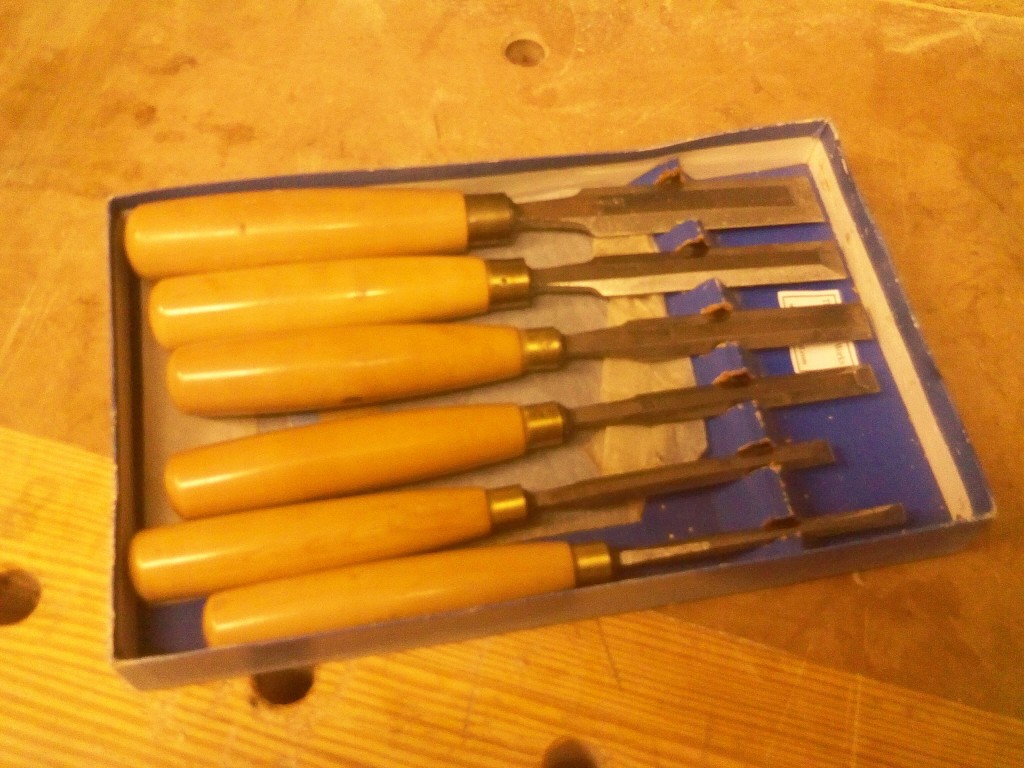
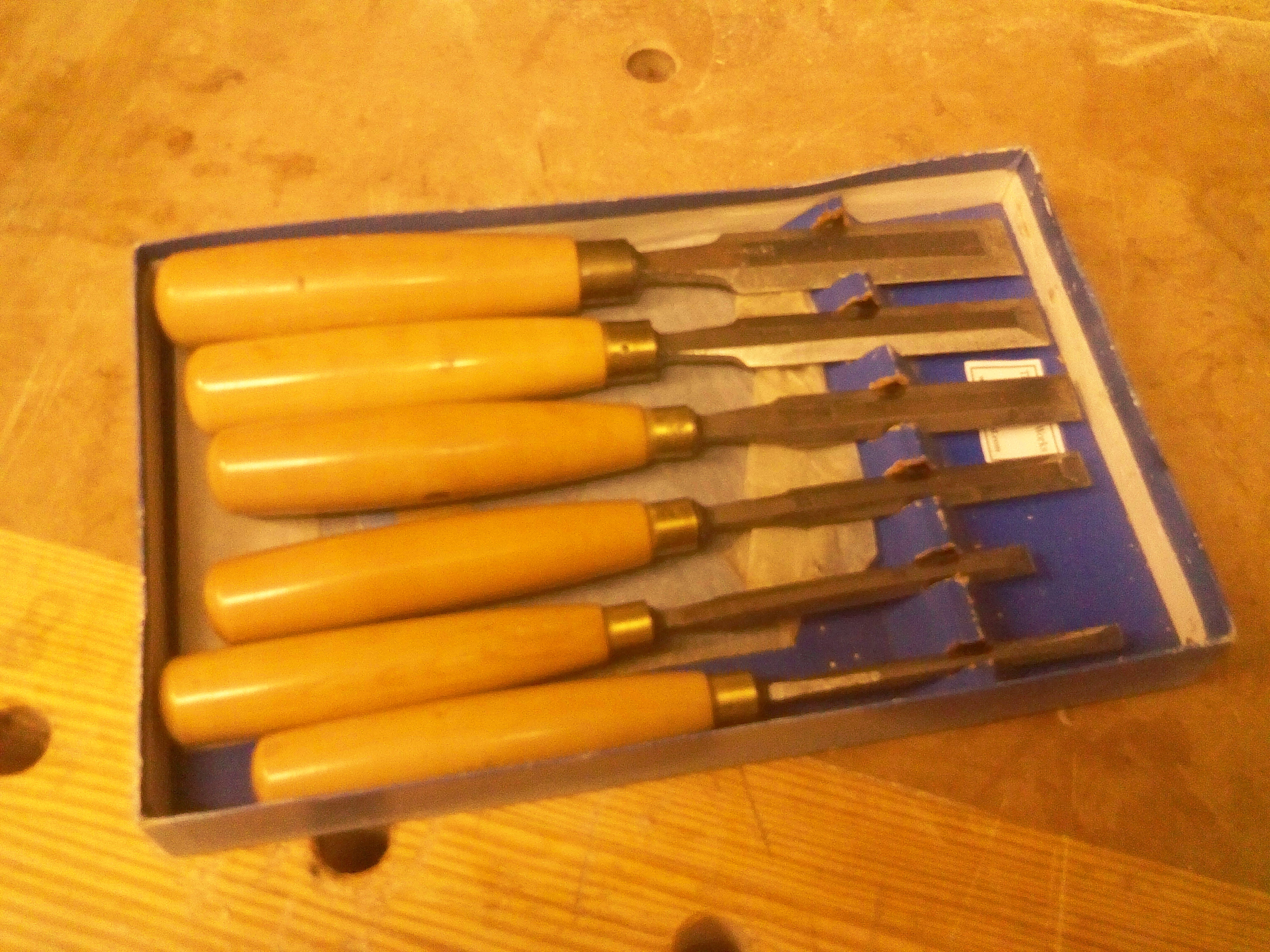
There on the table – in it’s original box – was a set of 1950’s vintage English Buck and Ryan chisels.  Patrick explained that at the time, Buck and Ryan were well respected tool manufacturers working in London.  The set of six chisels did need some work, but the steel was beautifully ground and the handles were made of handsome boxwood. They slipped into my hand comfortably and had a great balance.  Patrick even worked with me on the price.

I fell in love with these chisels.

Now, I’m back home in Tampa getting ready for a day at work.  But, I know a date with my diamond stones is in order to get these chisels into shape.

This year’s WIA event was full of outstanding experiences and reminded me why I fell in love with woodworking in the first place. Now, I’m really looking forward to spending some quality shop time with these new old chisels to see where the inspiration leads me.


Link of the Week

Hardwood Plywood and Veneer Association

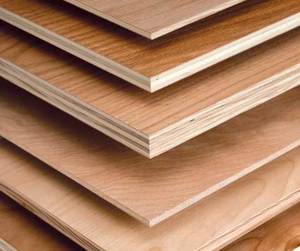
So, when you need plywood for a cabinet project or you are looking for some sweet veneer, where’s a good place to start your research?

The Hardwood Plywood and Veneer Association isn’t a bad place to begin.  This website for this organization of manufacturers and dealers showcases the environmental and economic advantages of using these products. There are also a number of technical publications offered at the site to help readers get a better handle on product specifications.

Visitors can find offers a list of classes and educational events as well as a directory of vendors.

I’ll be a Monkey’s Uncle…

Iggy the Trained Shop Monkey strikes again!

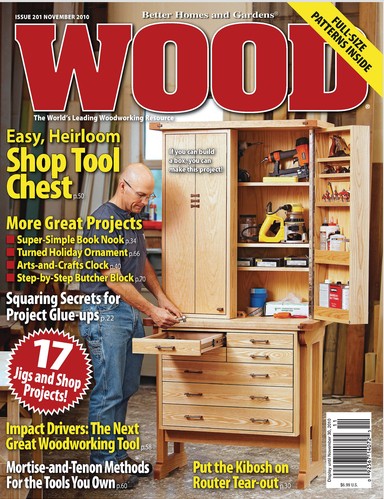
That’s right, he’s back with another article for the November 2010 edition of Wood Magazine.

This edition, well, ya know, some of the ugliest boards can make some of the most beautiful projects. Hopefully, after reading this article, you’ll take a second look at those boards you may think about burning and see if you can find the beauty within.

If you want to read even more Shop Monkey input, why not check out my blog over at the Wood Magazine forum website?  Navigate the content and read the input from your favorite bloggers.

Yes, you can even read my content if you have nothing better to do …

Now, no more monkey business… back into the shop!

###

Chipping Away

So many times in woodworking our thoughts turn to the straight and narrow. We build boxes with 90 degree corners. Some tables may have splayed or curved legs, but the vast majority may have a taper cut in them at most. Even turned items have nice symmetrical coves, beads and other decorations cut perpendicular to the turned axis of the piece.

It takes a certain kind of creativity to think outside the proverbial box and think about flowing curves and more organic shapes. And, when we turn on the this color-outside-the-lines kind of aesthetic, we look toward tools that provide more flexibility. The band saw. The jig saw. The router.

And, in more intricate and involved designs, there’s nothing quite like carving tools.

“Carving tends to bring out the artist in woodworkers,” said Tim Walter of Eagle America. “With all of the curves, recesses and other embellishments, that’s when you see the imagination unleashed.” Tim points out that even projects with delicate curves that flow across different planes, such as a concave leg of a bench or lid of a box, can be easier to carve than to jig up several different tools.

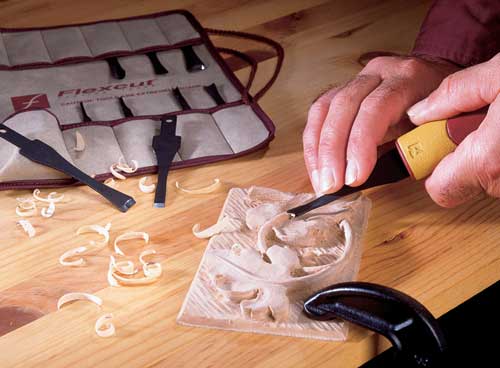
Eagle America offers a number of different tools that can be used to add maximum creativity to your projects. For those who are looking for hand tools, Eagle carries the Flexcut line of carving tools. “Flexcut has some outstanding choices when it comes to carving tools. The handles are comfortable and the steel in the blades can easily be honed razor sharp.”

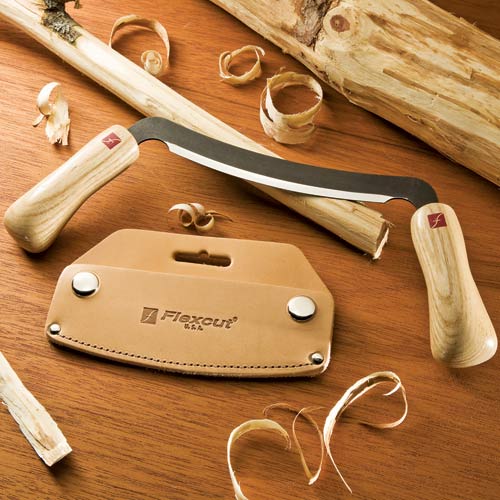
The Flexcut tools are divided into two broad groups. First you have the knife family. “Chip knives, carving knives – even draw knives – if you can use hand power alone to slice or cut the wood away, you are looking at a knife-type tool.” The variety and design of these knives is impressive, and each of the tools is the product of examining and improving upon older forms. “For example, many people find larger drawknives too awkward to use for smaller-scale project,” said Tim. “Flexcut offers a three inch straight drawknife and a five inch model with more traditional bent handles. Now, imagine carving curves into the body of an electric guitar blank with these tools. They offer excellent control.”

Flexcut’s other family includes the chisel-like tools. “We offer a wide array of sweep sizes and shapes which can be used by hand or tapped with a mallet. A carver can easily use these to carve beads, veins or do relief carving with precision.”

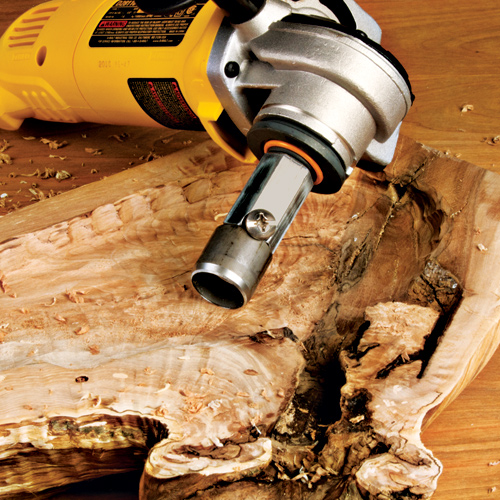
For those who prefer to carve larger areas or who prefer to use power tools, Eagle proudly offers the Denker line of power rotary carvers. “These tools are – pardon the pun – revolutionary in design and function.” While most power carving heads are circular disks featuring either chainsaw-like teeth or carbide cutting spurs, Denker’s tools use a hardened steel cutter to quickly remove wood. “These cutters are much less prone to skid across the surface of your work or grab and kick the work back.” Rather than tearing into the wood and removing chunks, the tool’s cutter slices more than 200 times a second, allowing a great deal of precision.

One of the most convenient features of the tool is that it doesn’t require any special sharpening equipment. “The tubular hardened steel cutter can be rotated to use their entire circular edge before you need to sharpen it at all. When have to, sharpening can be done in seconds with the furnished arbor using any bench grinder or abrasive wheel.”

While most woodworkers won’t get into wood carving for the majority of their work, adding carving tools to the arsenal can help add a creative flair to even the most utilitarian projects.

Quick Poll

Let’s keep going on with the cutting theme we’ve had the past two polls.

You are building a picture frame from some beautiful quilted maple.  You have to make perfect miter cuts for the edges.  How do you make the cut?

[poll id=”140″]

Link of the Week

What is the 32 Millimeter Cabinet System?

In the days immediately following World War II, people across the European continent came to the realization that there was a tremendous amount of rebuilding ahead of them.  The deadliest and costliest war of all time had ravaged the continent, destroying millions of housing units and  a great number of factories.

What was needed was a smart, efficient and resource-conserving building method for interior cabinetry to simplify construction.

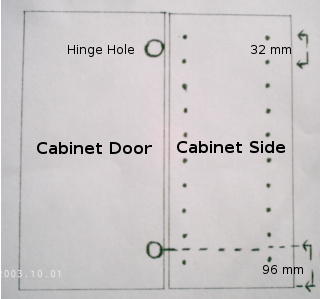
The solution was the 32 mm cabinetry system. Through standardization and mass production, a new cabinetry style was adapted from the simple strong lines of the Bauhaus movement.

Today, the Euro-style cabinet system is widely used for cabinetry in Europe and beyond. This site offers a primer on how the system works for cabinets and with many of the commonly used pieces of cabinet hardware such as cup hinges and drawer runners.

While reading this won’t make you an expert on the 32 mm system, it will give you an idea of how it works and what elements you can incorporate into your work.