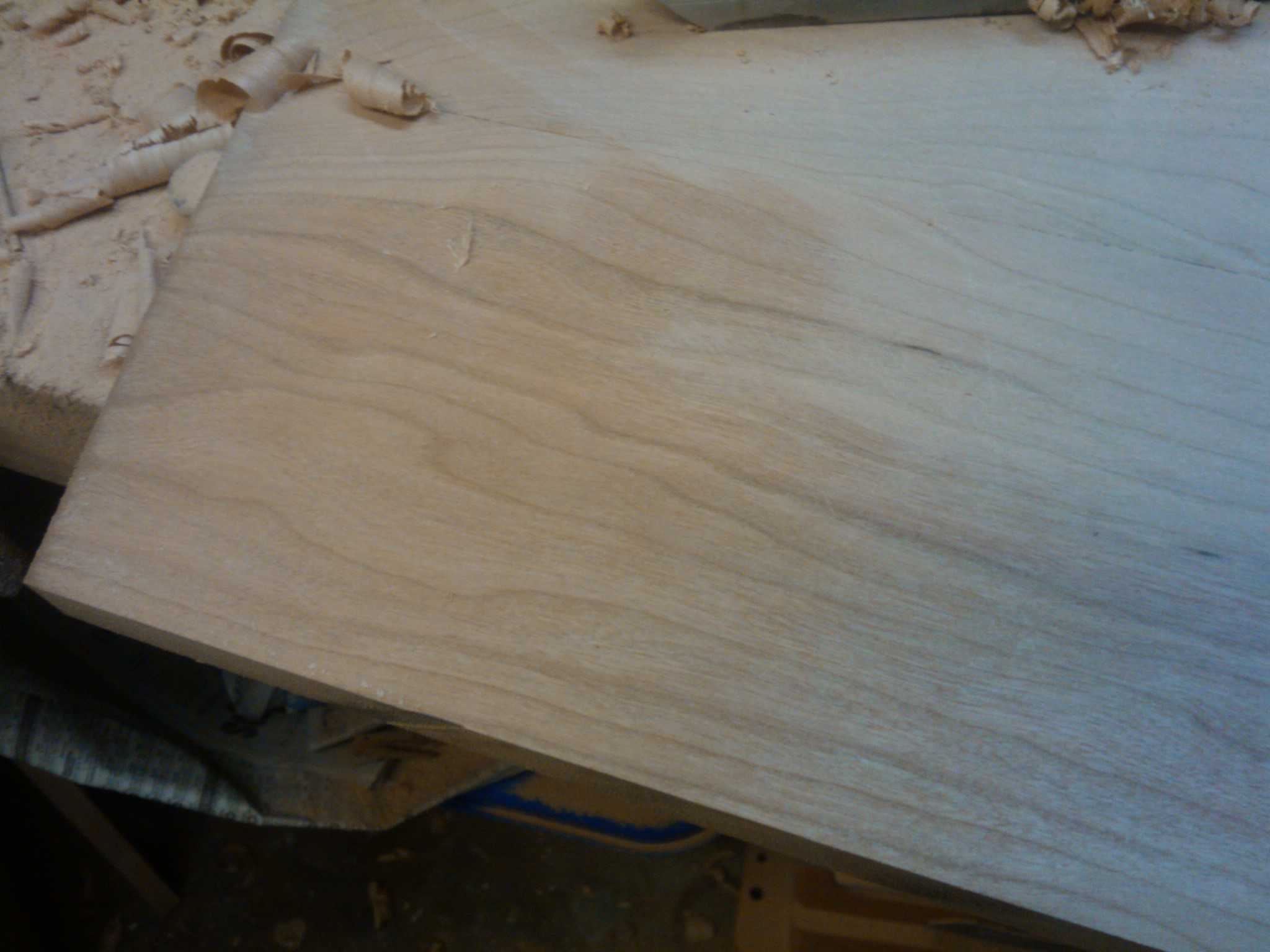
Being originally from New Jersey, I have many mannerisms that people here in Florida either love or hate. Sometimes, I have to speak a whole lot more slowly for folks to get me. Where I’m from, people talk fast because we have a lot to say. Sometimes, people tell me I drive too fast. Well, I learned how to drive in a place where people drove with a purpose.
And, there’s something about my personality… I’m not sure what it is… but it makes some of the folks down here think I am obnoxious. Abrasive. Quick to judge.

No way… not me. I’m as easy-going as the next guy.
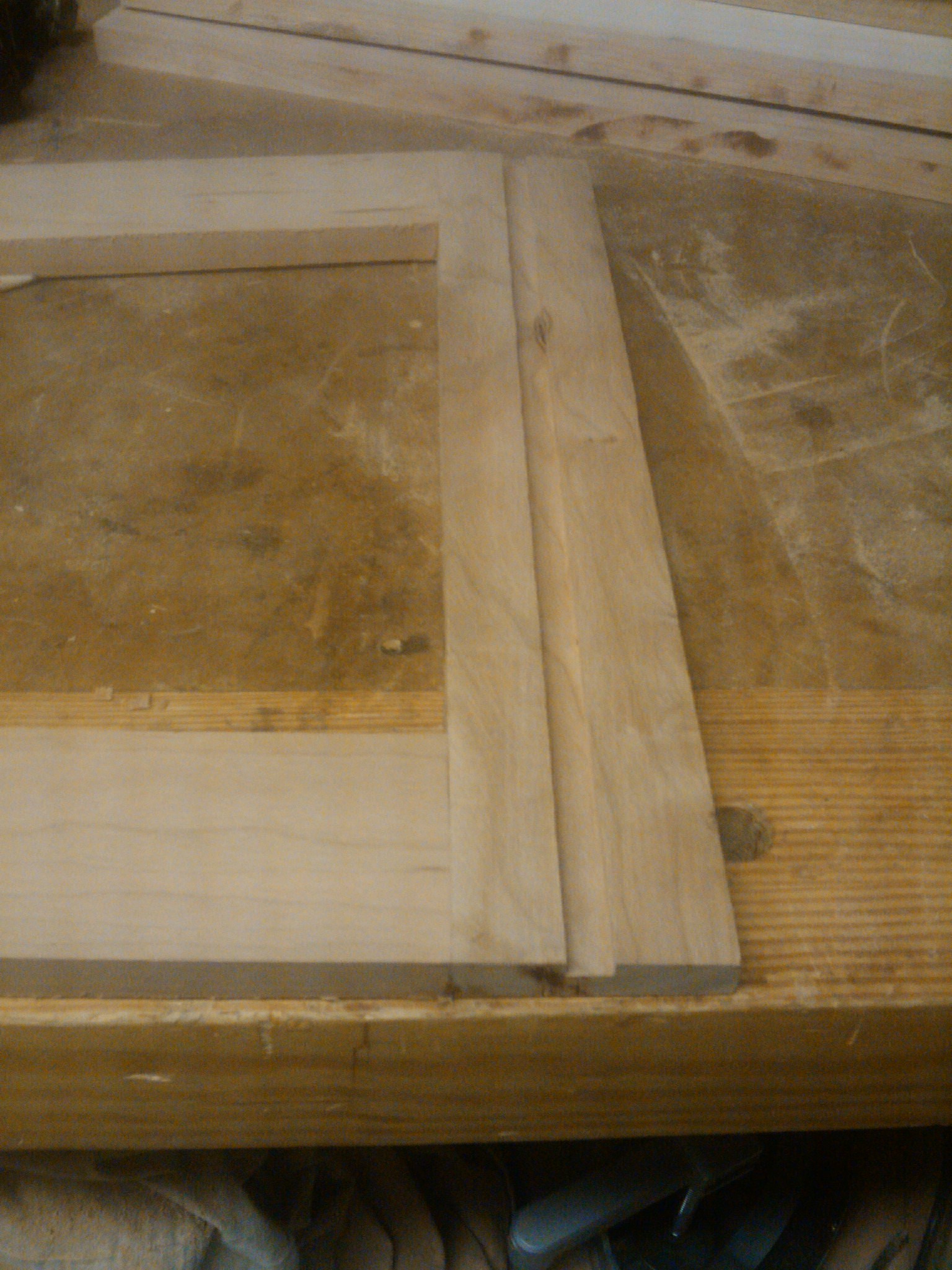
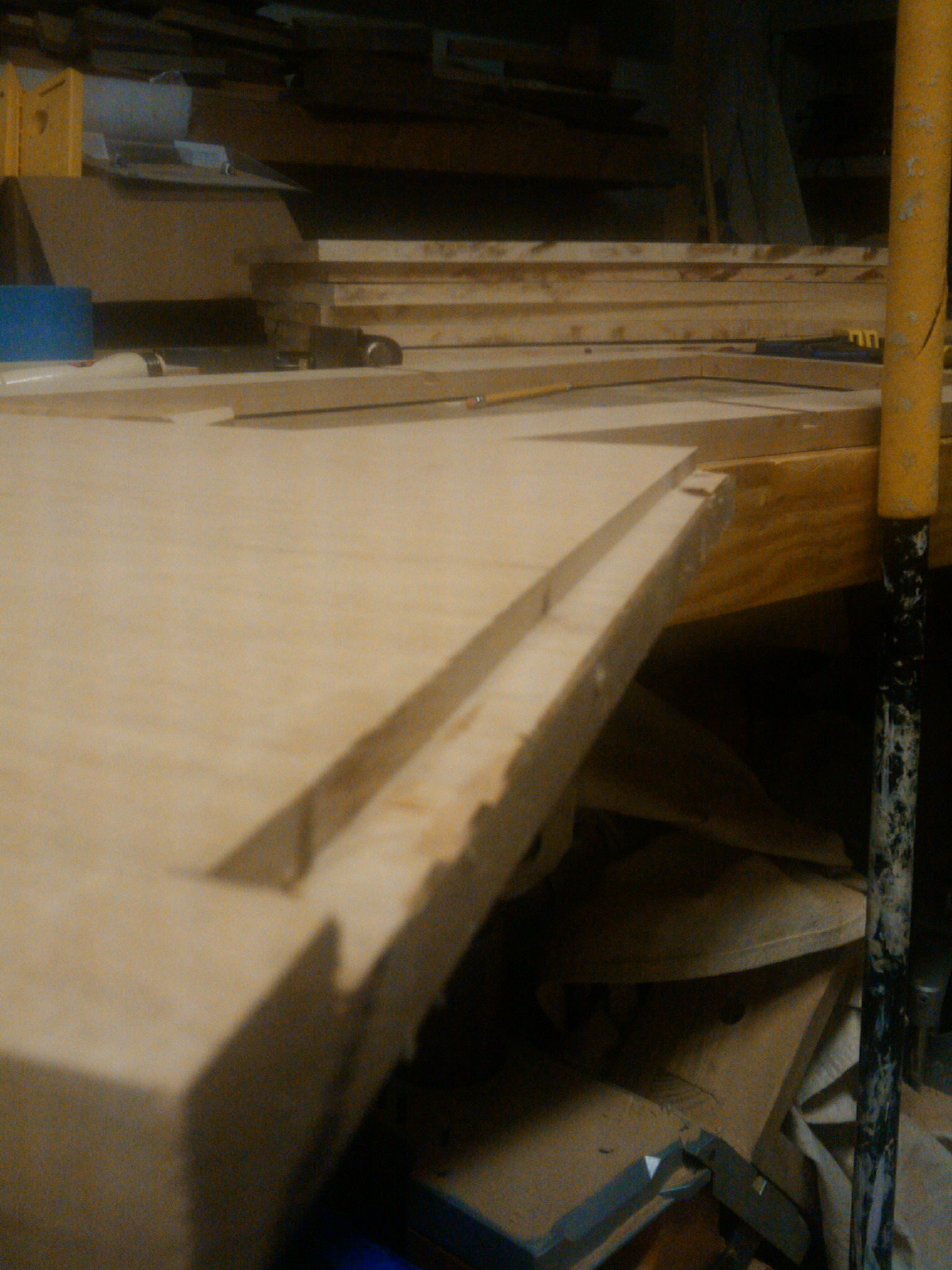
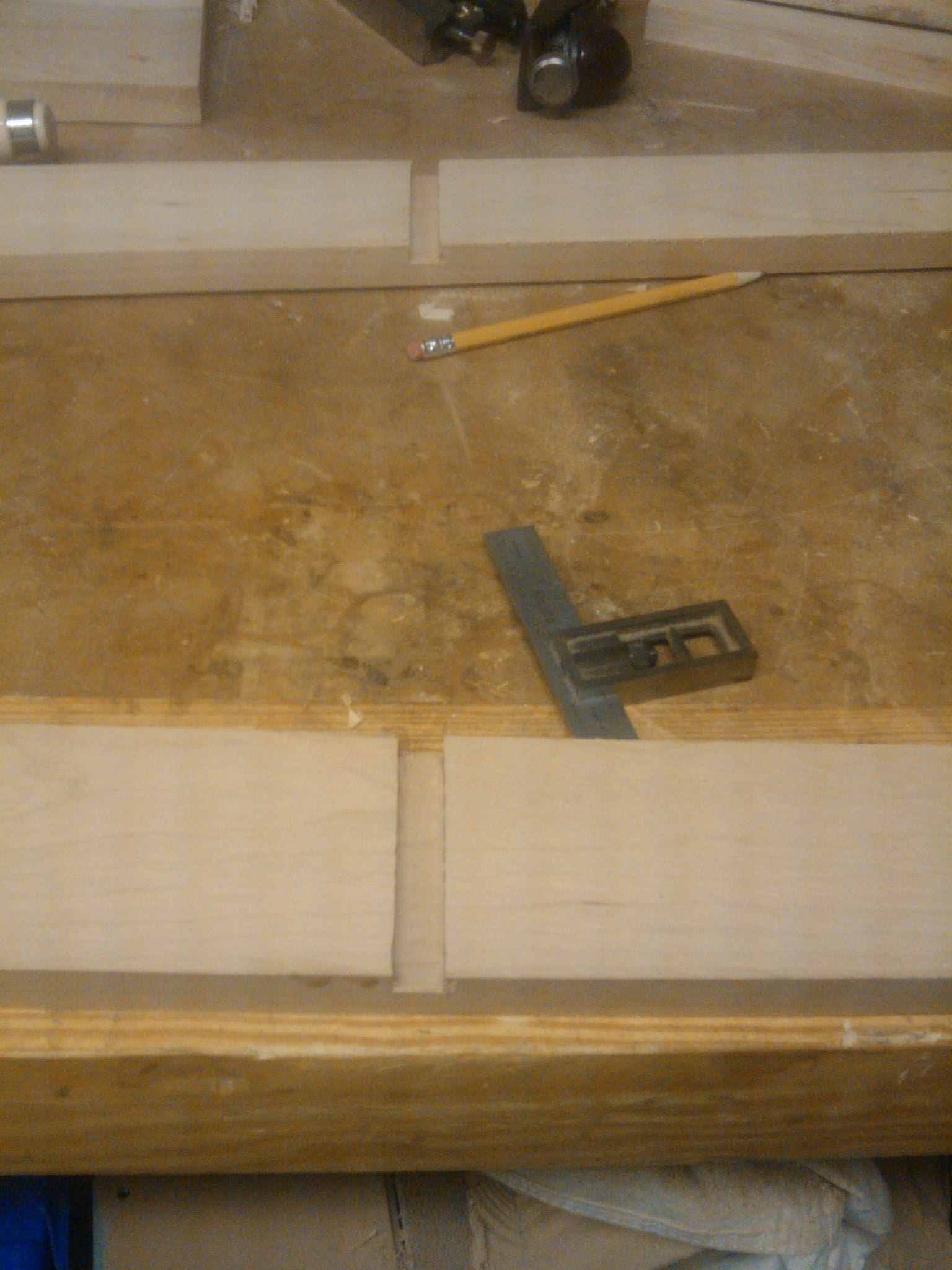
But, there’s one thing that has me seeing red and using colorful language as of late… I’m still having issues with my panel glue ups. Even with very straight edges, biscuits and cauls, I still get the occasional slipped joint. Oh, my technique is so much better now, and the steps are no where near as bad as they used to be… but they are still there.
In the past, I have used my jointer plane to cross plane my boards to get them to size. But now I’m relying on an easier technique – for me at least.
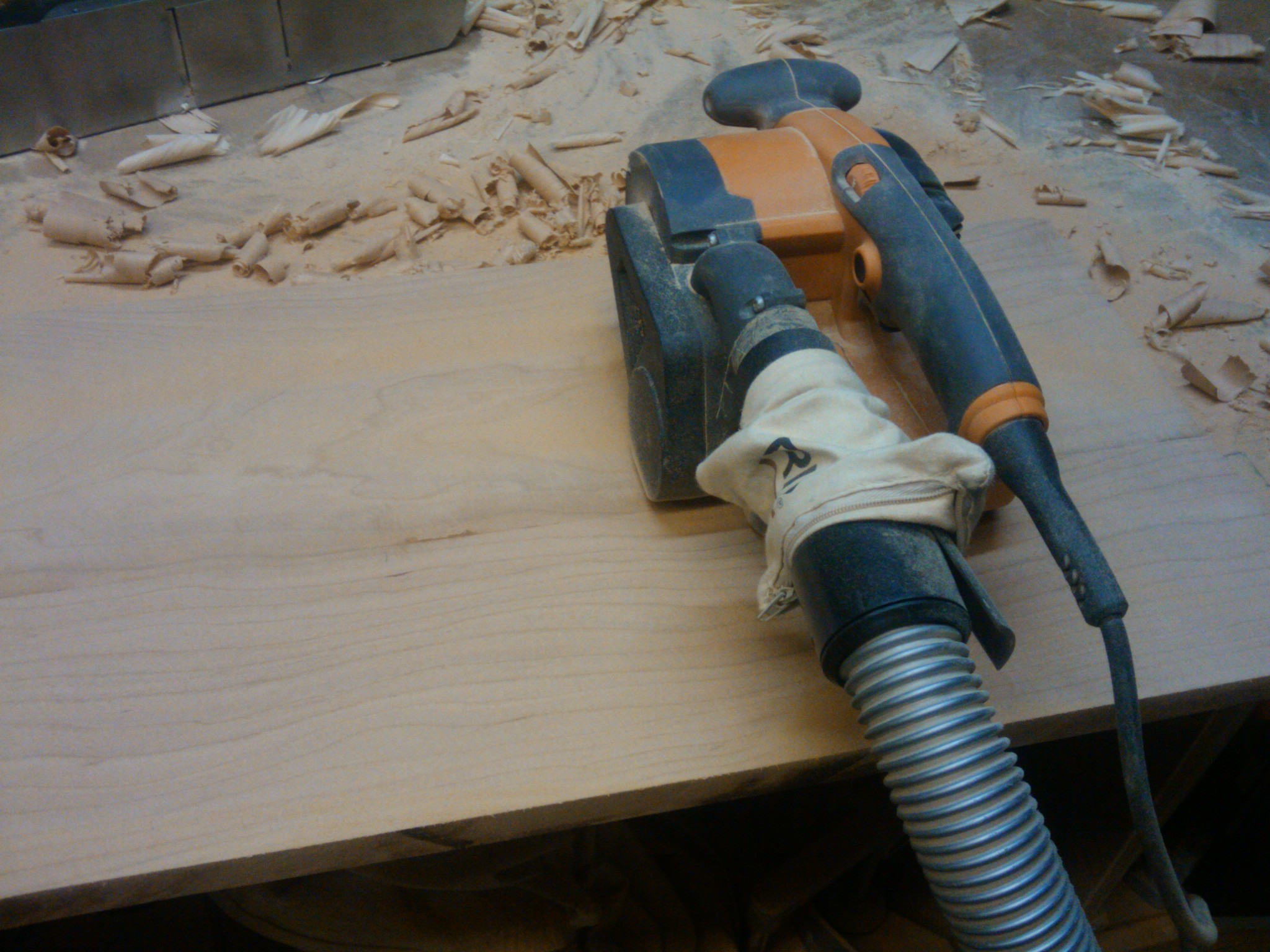
Welcome to the world of abrasive planing. That’s right, I’m using my belt sander to get my boards smooth and level when there are issues. Why the belt sander? Well, I seem to have a whole lot less splintering or tear out to worry about when I use the sander. And, with the right grit belt, the work seems to go faster.
I have been starting with a 50 grit belt. “WOAH!” you may be thinking. Sure, that’s kind of a pebbly grit to be using on fine boards, but, believe me, sanding is all about starting with the right grit and working finer. If I had started this with a 120 grit belt, I would be out in my shop forever trying to get even the smallest imperfections out of the glue ups. With that powerful grit, I can take the board down to smooth (well, level… smooth is next) in very short order.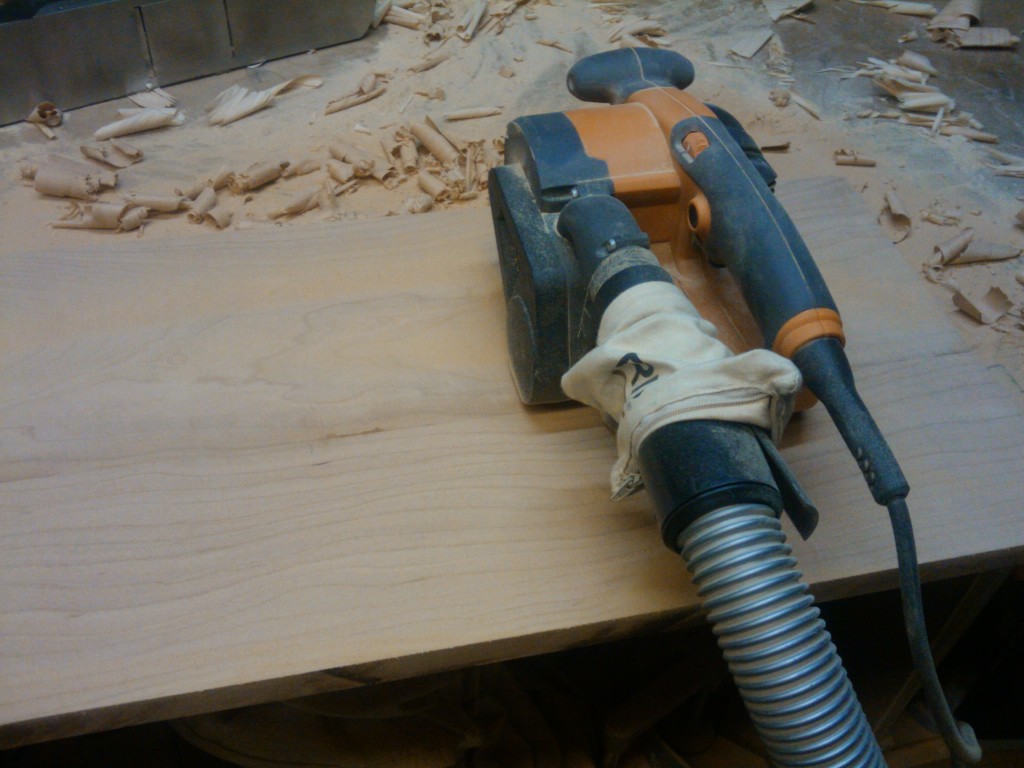
My method starts by working across the grain…
“GAAAAAAK!”
Would you please chill out? Shesh… By working across the grain, it’s sort of like planing across the grain… my goal is to get all of the boards in the glue up level to each other. If I sand with the grain, I’m just going to get individual sanding rows nice and flat, but the board may still be out of flat across its width. Sand back and forth across the entire width of the panel. Don’t leave anything out… you don’t want to wear channels out where the glue ups are.
Oh, and remember that the other nickname for this tool is the belt saw… so never leave it in one place or you will dig a hole clean through your board. And, those kinds of sanding divots don’t come out easy.
Once I get things flat across, just as you would use a jack plane, I have to then go across the board diagonally. This helps even out any spots that may be higher than the others on the flattening operation.
Finally, I make a few passes on the board from one end to the other parallel with the grain. By this time, any irregularities in the board are gone and the panel is nice and flat.
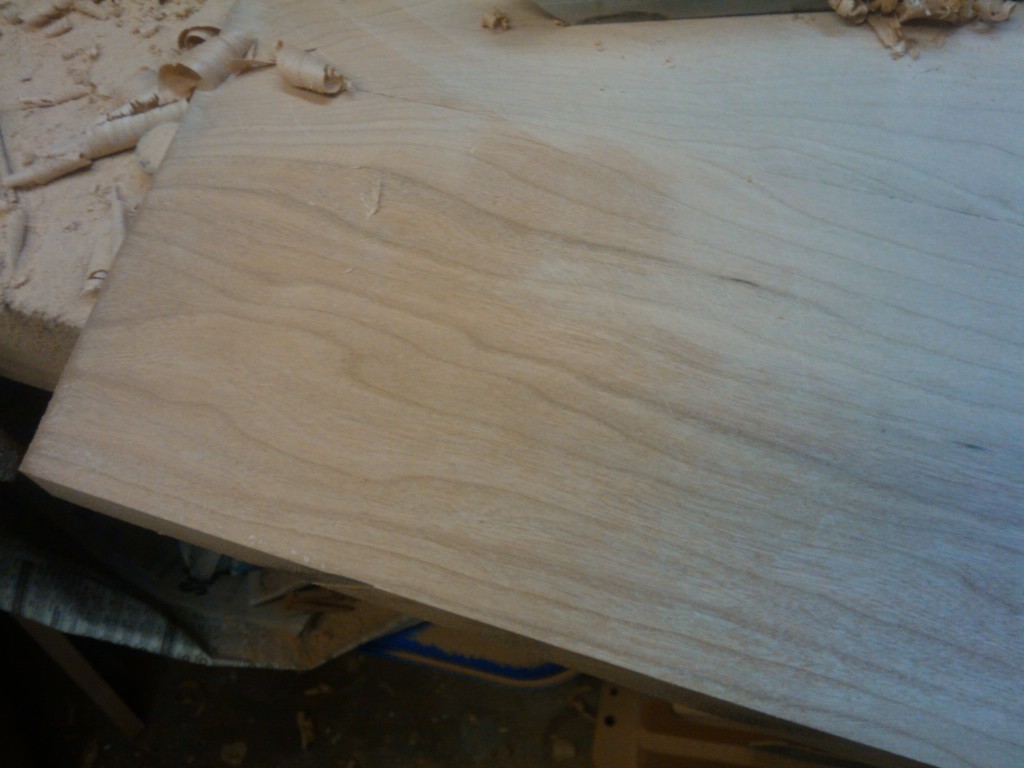
From here, you could go and progress through the grits… 80 and 120 in the belts, followed by 120 and 180 with an orbital sander. If that’s how you work, more power to you. But, I’ve found that a hybrid approach works well for me. The first thing I do is brush any sanding grit off the boards. Then I take my Veritas Low Angle smoother, get it set for a fine cut, wax the sole and get at it. Usually two passes on the board gives me nice smooth results, but the first pass is actually pretty darned good.
Is this the ideal situation? No. Gluing up by boards perfectly would probably be a much better solution. However, if you do have some irregularities, this isn’t the worst way to work.
What? You got some kinda problem wit that?