Woodworkers love to build projects, and few are as necessary or satisfying as those we build for the shop. Workbenches. Tool stands. Jigs and fixtures.
Tool storage and transporting projects, however, are seen by many as a true sign of craftsmanship. I mean, when you roll up to a job with a boss tool tote or show off your hand crafted tool storage cart, well, now we’re talking.
This week, have you ever built your own tool storage and transport projects, and how’d you do?
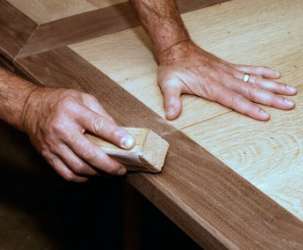
After all of the exciting ripping, crosscutting and joinery, your project has gotten to the point where surface preparation is critical in order to make your project shine under a perfect finish.
However, there are few woodworkers who list sanding as their favorite shop activity. So, for many, there’s a point at which they will sand to and then call it a day. Just smooth enough to make the finish look good but not too much.
So, this week, at what grit sandpaper do you stop at for bare wood on your project? The listings for grit size are in CAMI ratings, so if you use the P rating scale, you can do a quick conversion on this table of grit equivalents.
I realized shortly after completing the recent cabinet project that the time has come to do some major work on the shop. It’s time to continue sharpening. I also have to vacuum up a bunch of dust. go through the cabinets and organize my fasteners and other goodies and to take a quick inventory of what is truly out there.
In the middle of the clean up, I got to wondering about how other woodworkers do this. Do you periodically go through everything in your shop cabinets and reorganize the items tucked away in those far away recesses, or do you even care?
When it comes to woodworking, there’s more than one way to skin the proverbial cat.
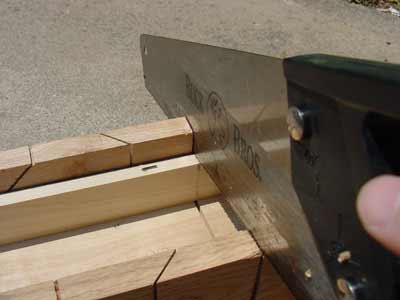
Imagine you have a piece of wood that’s 3/4 inches thick, 1 1/2 inches wide and 36 inches long. You have to accurately cut a piece 24 inches long for your project.
What would be your preferred method to do the deed?
Football season. Baseball season. Hunting season. The holiday season.
There are times in the year for just about everything. For some woodworkers, there is also a woodworking season – the time of the year when they can get into the shop and start building.
Woodworkers may wait for the temperatures to warm up or to cool down. Others may have to wait for kids to start school or to start their summer break. And, for others still, there isn’t any let off at all – it’s woodworking year round.
This week, let us know when your woodworking ‘season’ happen.

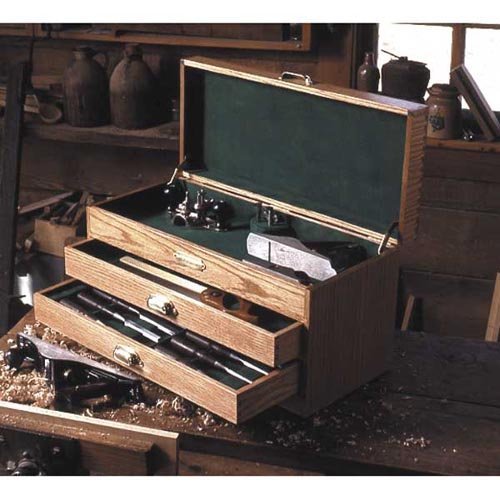 Tool storage and transporting projects, however, are seen by many as a true sign of craftsmanship. I mean, when you roll up to a job with a boss tool tote or show off your hand crafted tool storage cart, well, now we’re talking.