Category Archives: Link of the week

Link of the week

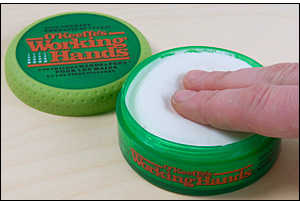
O’Keeffe’s Working Hands Skin Creams

Autumn is here, and winter’s not too far behind. That’s great news if you live south of the Equator, but it’s gonna be cold, dry and blustery in the northern hemisphere. And, when it gets cold, it also gets dry, especially in heated areas.  That can lead to dry, cracked hands.  And, it seems like those skin cracks never heal.  They just keep getting irritated and hurt like heck. That’s just no fun.

That’s why I’m happy that the folks at O’Keeffe’s Hand Creams sent me a sample of their Working Hands cream.  This stuff comes in a container that looks like car wax comes in, and, as they used to say, a little dab’ll do ya. The stuff had no smell, and isn’t greasy.

Sure, at first it may seem like it’s unnecessary, but when you can work more comfortably in your shop… hey, that’s a good thing.

Link of the week

Wikipedia’s List of Oval Office Desks

It’s one of the toughest jobs in the world – the President of the United States.  The country’s chief executive is called upon day after day to make economic, political, military and a host of other decisions to guide the course of the nation.

So, you’d expect the Prez to have a pretty sweet desk.  You would be right.
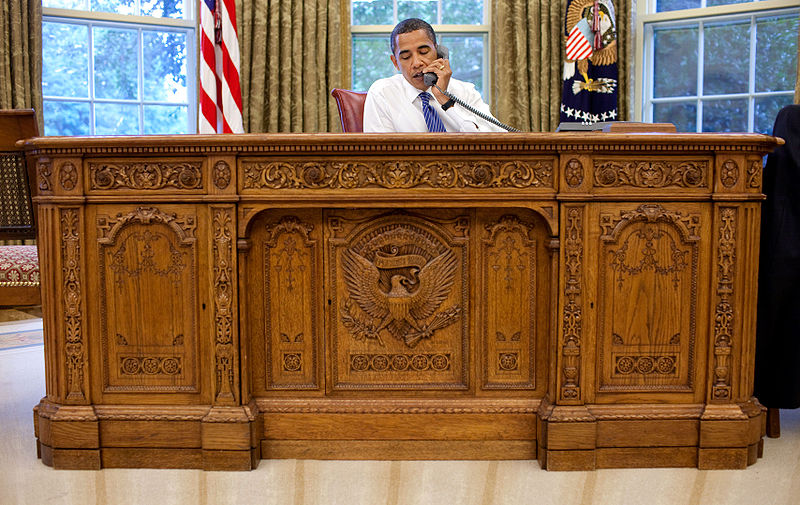
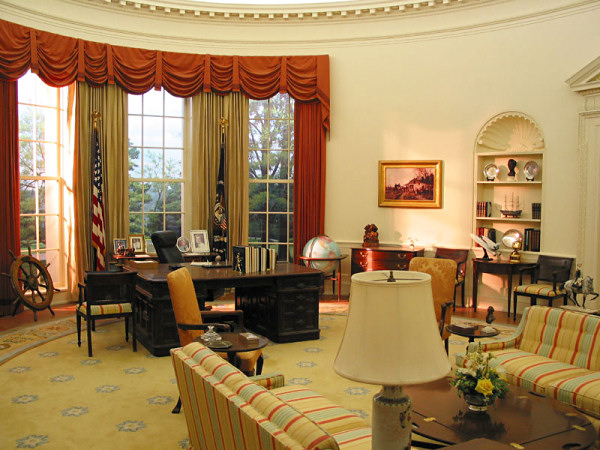
This Wikipedia page catalogs the desks used by different presidents since the Oval Office was completed during the presidency of William Howard Taft. There have only been five desks used in those more than 100 years of American Presidency.

The desk currently in the Oval Office is known as the Resolute desk.  It was built from the timbers of the HMS Resolute – a British ship caught in the Arctic ice and freed by sailors from an American whaling ship.  The desk was given to President Rutherford B. Hayes by Queen Victoria after the ship was struck from the fleet.
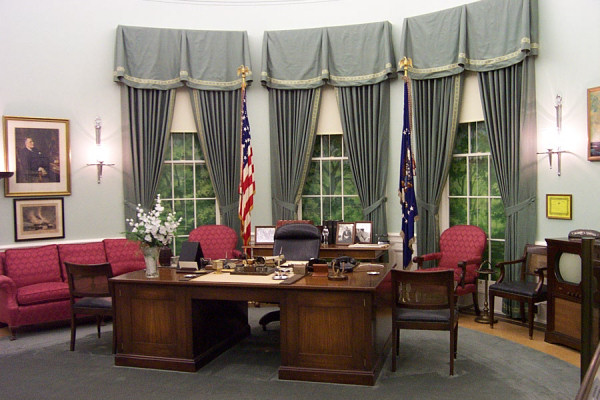
The first desk used in the Oval Office was the Theodore Roosevelt desk. President Taft moved it into the newly completed Oval Office where it stayed until the Eisenhower administration.
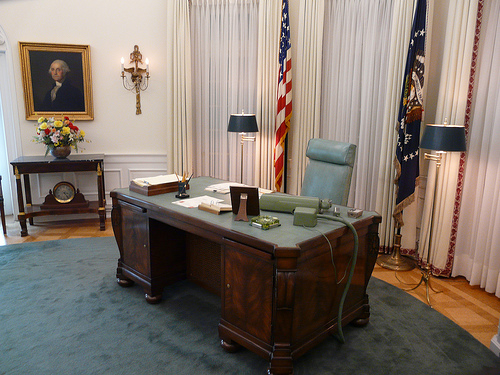

After President Kennedy’s assassination, President Lyndon Johnson had the Resolute desk put on exhibit at the Kennedy library, and had a desk built by the Senate Cabinet Shop.  Today, that desk can be found on display at the LBJ Library in Austin, Texas.
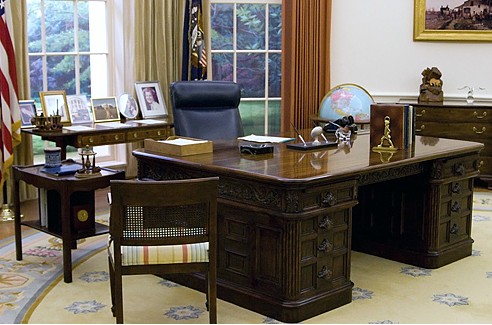

President Richard Nixon moved the Wilson desk into the Oval Office after his inauguration.  Nixon mistakenly believed that the desk was the one used by President Woodrow Wilson when, in fact, it was actually used by President Ulysses Grant’s Vice President Henry Wilson.

And, President George H.W. Bush used what’s known as the C&O desk – a piece built in the 1920s for the president of the Chesapeake and Ohio Railway and donated to the White House where it can be found today  in the West Wing study.

Since the decorations in the Oval Office are selected by the incoming president at the beginning of his or her term, there is always the option of going with your very own desk.  Hmmm, I wonder if one day someone will have an Abram, Klausz or Spagnuolo desk in the Oval Office?

Link of the week

Zen Wood

Sometimes, when your mind is racing, you have to make a conscious decision to slow things down. Take a mental time out. Pray. Meditate.

The eastern cultures seem to have the right idea, working this self-centering activity into the daily fabric of life. Surrounding yourself with simple, uncluttered space and furniture can help put you in this right frame of mind.

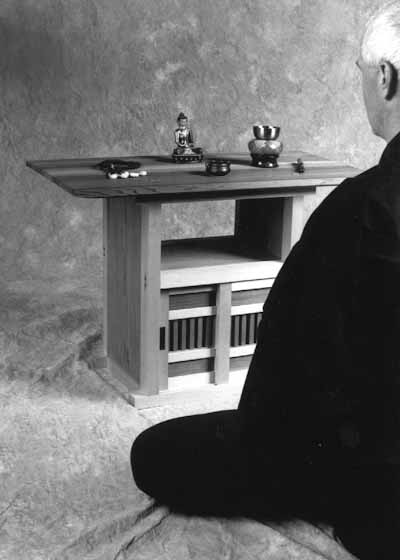
Woodworker John Clark has this peaceful aesthetic down perfectly at his Zen Wood site. The pieces he builds come from the Buddhist traditions of Asian cultures, but these gorgeous pieces could be repurposed to hold whatever is important in your life (a Bible, family photos, treasured possessions) and serve as your dedicated place to clear your mind and relax.

Who knows? While you are contemplating your peaceful surroundings, maybe you will be inspired to build a project of your own.


Link of the week

DIY’s how to build a banquette

Seating and storage. In many homes, there’s just not enough of either.

Fortunately, there’s a simple solution that can help you get more of both in a stylish form known as a banquette.

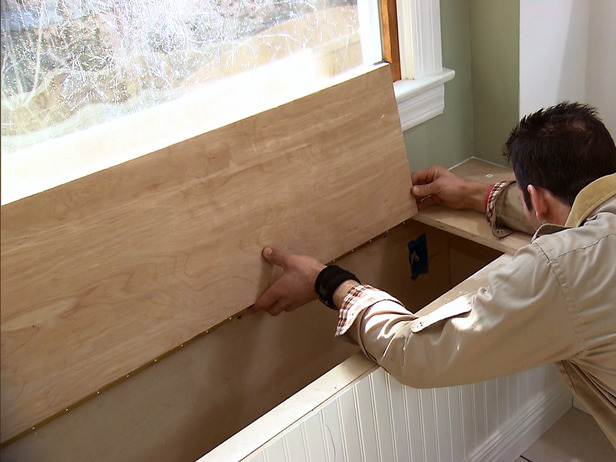
Banquettes are typically built-in seating benches that provide extra space for guests at the dinner table, while providing storage for less-frequently used items below. This plan, offered by the DIY network, gives step-by-step instructions on how to build a basic unit with plywood and common lumber. Of course, with this as a starting point, you can feel free to design your own plan to meet the needs of your dining area.

Link of the week

Gorilla Glue

Hello again, everyone. It’s me, Iggy the Trained Shop Monkey.  I had to write today’s link of the week because Tom is ***STILL*** prancing around the shop bragging about how good of a job he did on that Monkey Stool. It’s a good thing, if I don’t let him celebrate his small victories, he’ll spend MORE time playing that bass of his (poorly).

That’s OK. Besides, if he was writing this, you wouldn’t get to hear about my new primate friends down at Gorilla Glue.


Yup, my bigger cousins make some seriously awesome glues. They have their signature polyurethane glue, their newer type II water resistant PVA offerings, epoxy, instant glues, duct tape… they have it all. They even sent me my own care package to help with my ongoing efforts to make Tom a better woodworker.

Now, all I have to do is keep the big galoot from getting his fingers stuck to the project!

Link of the week

Woodgear’s dovetail joints on the bandsaw

So,  you love dovetail joints. And you can cut them pretty well by hand (I know you must not be talking about me). But, maybe you have a lot of them to cut. And, you don’t want to invest in a dovetail jig.

What can you do to speed the process along?

Why not turn to your bandsaw?

Yes, that’s right. The bandsaw is an effective way to do cut the pins and tails on your dovetails. With just a simple jig and a little bit of know how, you can get pretty darned good results in a fraction of the time.   This site shows you step by step – and even provides a video – on how the process works, and how you can get started.

Link of the week

This Old House’s page on Files and Rasps

So, you have cut some nice scrollwork and you need to smooth out the curves. Perhaps you are cutting a new handle for a saw or chisel and you really need to refine the shape. Maybe you are looking for an easy way to round over some edges on a project, but you are afraid to break out the router.

Never fear – rasps and chisels are here!

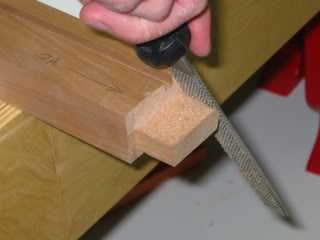
This page, run by the folks at This Old House, serves as a primer for how to use these useful, yet often overlooked tools. Here, you will learn about the bewildering array of rasps and files, learn how to use them properly and how to care for them. Of course, once you grasp the basics, an Internet search will lead you to much more specific information on how to make the most of your new tools.