All posts by Tom

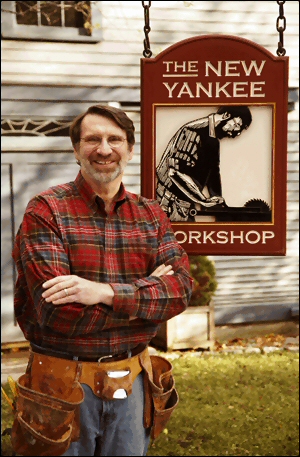
I'm the guy who writes the blog...

Offput by off cuts?

There are lots of useful power tools in the shop. The band saw. The router. The thickness planer. The drill press.

But, as far as versatility is concerned, there are few multi-taskers as capable as the table saw.
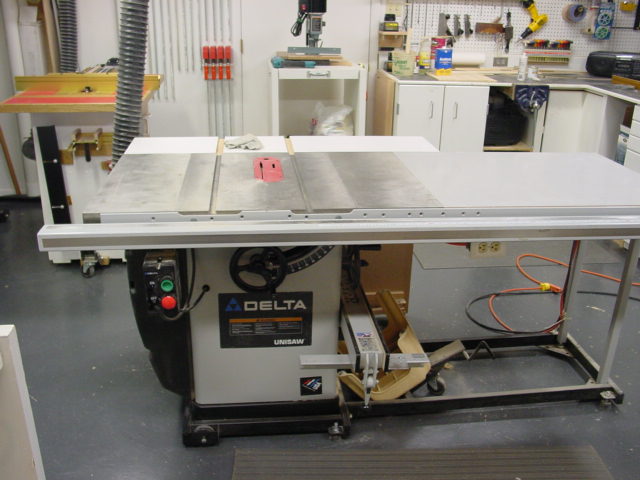
Rip. Crosscut. Angle cut. Cut joinery. If you can dream it, a well-tuned table saw can get you there.

But, the major concern about this useful tool is safety. A quick visit to the Table Saw Accidents site shows that table saws cause the most injuries of any stationary power saw. A blade with carbide teeth whirring at between 5,000 and 9,000 RPMs can get your attention in a hurry.

Many of the accidents involved contact with the blade or some kind of kickback, but a significant number of injuries occur when an off cut is caught and thrown back toward the operator or the operator reaches across the blade to retrieve an off cut. With the saw blade’s teeth arranged on a circular blade body, it’s easy to see that the the teeth that do the cutting at the front of the blade push the work down to the table. The problem comes in when something contacts the teeth rising out of the back of the table.  Should a workpiece his that, it could be sent flying back toward you.

And, I know you know the safety rule about keeping your hands at least three inches away from the blade at all times, but  there’s always that moment during repetitive cutting where I find myself reaching across the top of the blade reflexively to knock an off cut away. It’s always a bad idea, and I know I have to remind myself to stop doing that.

But, what about those pesky offcuts?  How can you corral them safely to keep them away from the blade and keep them from interfering with your work?

Some of the tips I’ve seen out there include:
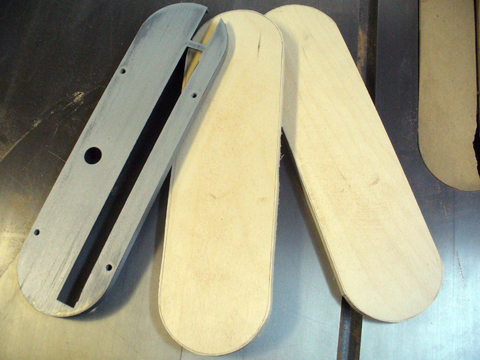
Zero Clearance Inserts. These insert plates allow for a very tight opening around the table saw blade, preventing thinner offcuts from falling into the saw’s body. Not only do they prevent these issues, they also allow for cleaner cuts with little tear out where the blade exits the bottom of the work piece. They are very easy to make, so keep a few on hand if you change your blade or for different dado blade widths.

Use your splitter. Splitters and riving knives help to prevent contact with the back side of the saw blade. Working without a splitter could allow the wood you are cutting to do just that. Riving knives, since they raise and lower with the blade, rarely have to be removed.  Splitters do have to be removed for non-through cuts.  So, if you need to take it off for an operation, be sure to return it when you are done.

Support your crosscut. If you have to do a lot of crosscutting, a crosscut jig can help you get better control.  By building a version that straddles the blade, your work will be supported on both sides of the cut. Also, if you build the sled properly, you can clamp  a piece of scrap wood as a hold down clamp, holding both the keeper and offcut piece safely in place.
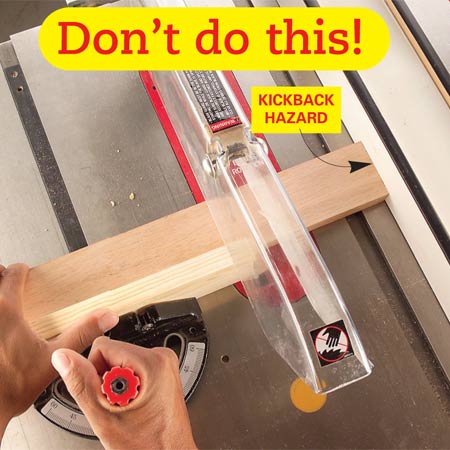
Watch the side space. It’s tempting to use both the miter gauge (to hold the piece at 90 degrees) and the rip fence (as a stop block to cut consistent lengths) to make crosscuts, but that’s a very bad idea. By not allowing enough room for the off cut to fall away, it could pinch between the blade and fence and fly back at you. It’s a great idea to use a stop block clamped to the rip fence as a gauge and setting that gauge behind the point where the blade contacts the wood. This way, once the piece clears the blade, it’s free to fall away.

Support your pieces. The table saw makes quick work of ripping, but you have got to exercise care when doing that. For long pieces, set up an outfeed table slightly lower than the height of the table saw’s top. This way, when the board clears the saw and the weight tips the board toward the outfeed side, you still have support under the board, preventing it from pivoting away from you.

Clear those offcuts. Sure, they seem innocent enough, just sitting there on the left side of the blade. Those little offcut pieces don’t normally cause issues… but  they can vibrate into the blade and be flung at you.  I’ve seen lots of jigs out there to steer those scraps away from the blade. I’ve seen people try to hook up compressed air systems to blow them away.  And, it always seems like such a great idea to push them away from the spinning blade with a stick and keep on cutting. But, so far, the safest way I’ve seen to remove them from the saw is to turn the darned thing off between cuts, wait until the blade comes to a stop and then pull them away.

Needless to say, you should also wear all of the obligatory safety gear, never operate the saw after drinking or on certain prescription drugs and always listen to that little voice in your head. That way, you can spend more time fuming about your offcuts and less time nursing a pretty gruesome injury.
 

Agony of de feet

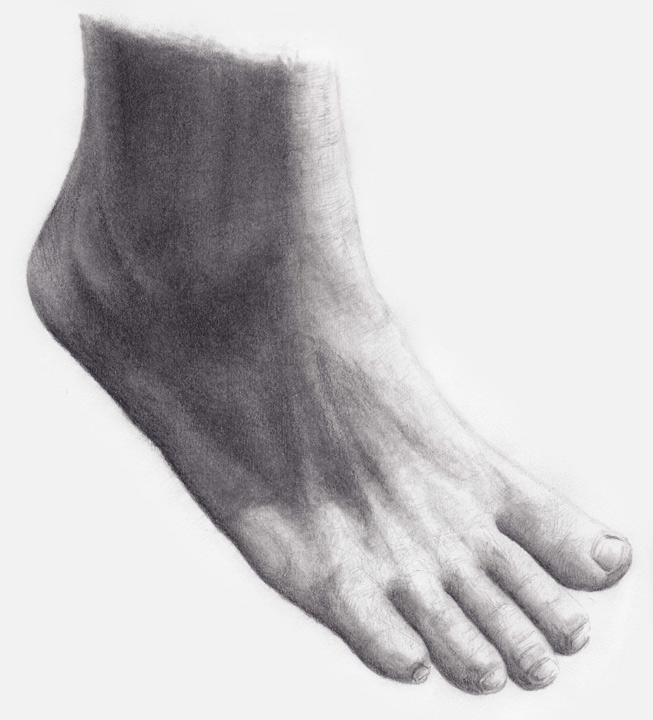
It’s not often that when we think of shop safety that our thoughts turn to our feet, but think about it for a minute.  Do you hand plane? You probably stand to do that. Rip boards on the table saw? Probably standing. Rout mortises with a plunge router?  Up on your feet. Gotta walk across the shop to get the only chisel in your set that you really REALLY need to use to precisely trim a joint, but  you forgot in your tool box.  Feet, don’t fail me now!

Yet, still, we often think about the puppies after everything else has been considered.

Well, my job today is to get your feet to the top of your mind… so to speak. Let’s take a look at some of the footwear options in the shop.

Barefoot. I’m sure this was the footwear of choice of woodworkers for millenia. And, I’m also willing to bet that this level of footwear served its owner well.  Of course, there are a few downsides to this option. There’s no protection from temperature extremes, stuff laying on the ground you could step on or things dropping onto your foot. Also, it’s absolutely miserable to stand on a concrete shop floor for a long time with no sort of cushioning. This may not be the best option in today’s shop.

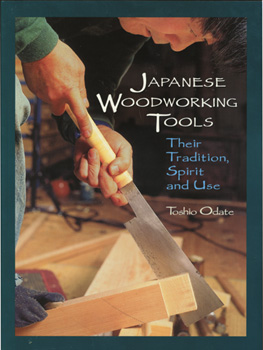
Socks. Not as silly as it seems. In the Japanese woodworking tradition, special socks with split toes are worn by woodworkers. This gives them the flexibility to use their bodies as weights to hold boards down as they work on their projects. It also helps that the traditional Japanese woodworking is done on the floor or at low trestles.This reduces the likelihood that something could be dropped onto your feet.

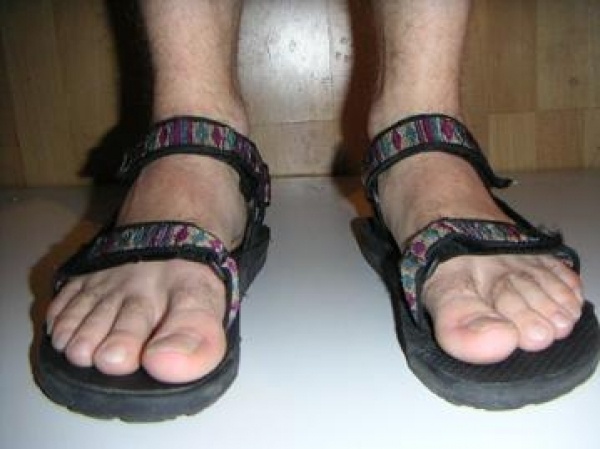
Sandals. I’m sure they were popular in places such as the Roman Empire (where many western woodworking traditions began) as well as Florida.  They are a step up from bare feet, but still offers no protection from the occasional gravity test.

Athletic shoes. Super comfortable and supportive, these babies make standing for a long time very easy on the feet. They also have skid resistant soles, which can prevent an unexpected slip. Of course, the only issue is if something gets dropped onto your feet from a bench.

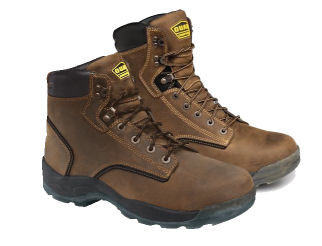
Boots. This is what I prefer to work in when I’m in the shop. I use some gel insoles in them for added comfort. My boots have steel toes and are made of thick leather, which gives me a lot of confidence that should anything fall, my feet will be protected.  They also have slip resistant soles. Now, they are heavier that any of the other options, so they can make my legs tired, but I’m willing to deal with that.

Gosh, it seems as if I’m spending a lot of time worrying about something falling off the bench onto my foot.  Sure, I might be overreacting… but this video shows what happens when a 27 pound cast block of iron falls on a steel toed boot.

No, I’m not likely to drop cast blocks of iron onto my feet, but, hey, ya never know what else could fall.

And, protecting your feet can prevent the need to get back on your feet after an accident.


Quick Poll

Welcome to Woodworkers Safety Week 2011!  As in previous years, we’re taking the time to think a little bit about safety in the workshop.  Be sure to look for articles from many woodworking blogs about different aspects of this very important topic.

I thought that I’d start with a quick poll this Sunday… When it comes to safety, Norm Abram has told us hundreds of times that the most important safety equipment is safety glasses.

But, sometimes when we are in the shop, it’s a little inconvenient to remember to throw on those ever important safety glasses.  And, sometimes they fog up and become difficult to work with.

This week, tell us how frequently you wear your safety glasses. Do you do it every time in the shop, or are they totally unnecessary?


Link of the week

Joe Woodworker’s All About Veneer page

Veneer is one of those things that leaves a lot of woodworkers scratching their heads.  How do I use the stuff?  What’s the best way to prepare it to work with?  What are the best adhesives to use?

Fortunately, Joe Goreleski of Joe Woodworker put together a dynamite page describing the product and the process to get the best results when veneering.

If you have never used veneer – or you have but are looking to learn more – this is a great place to start.


Tools I use: My computers

I can’t live without my computers.

Call me addicted, but, I have become a creature of the Internet. Every day, I work with one at the office. And, when  I’m not at work, well, I like to do more stuff on the them!

I’ve had a few folks ask me over the years just what I use to put Tom’s Workbench up on the web.  You’d be surprised just how little computing power I have at my fingertips…

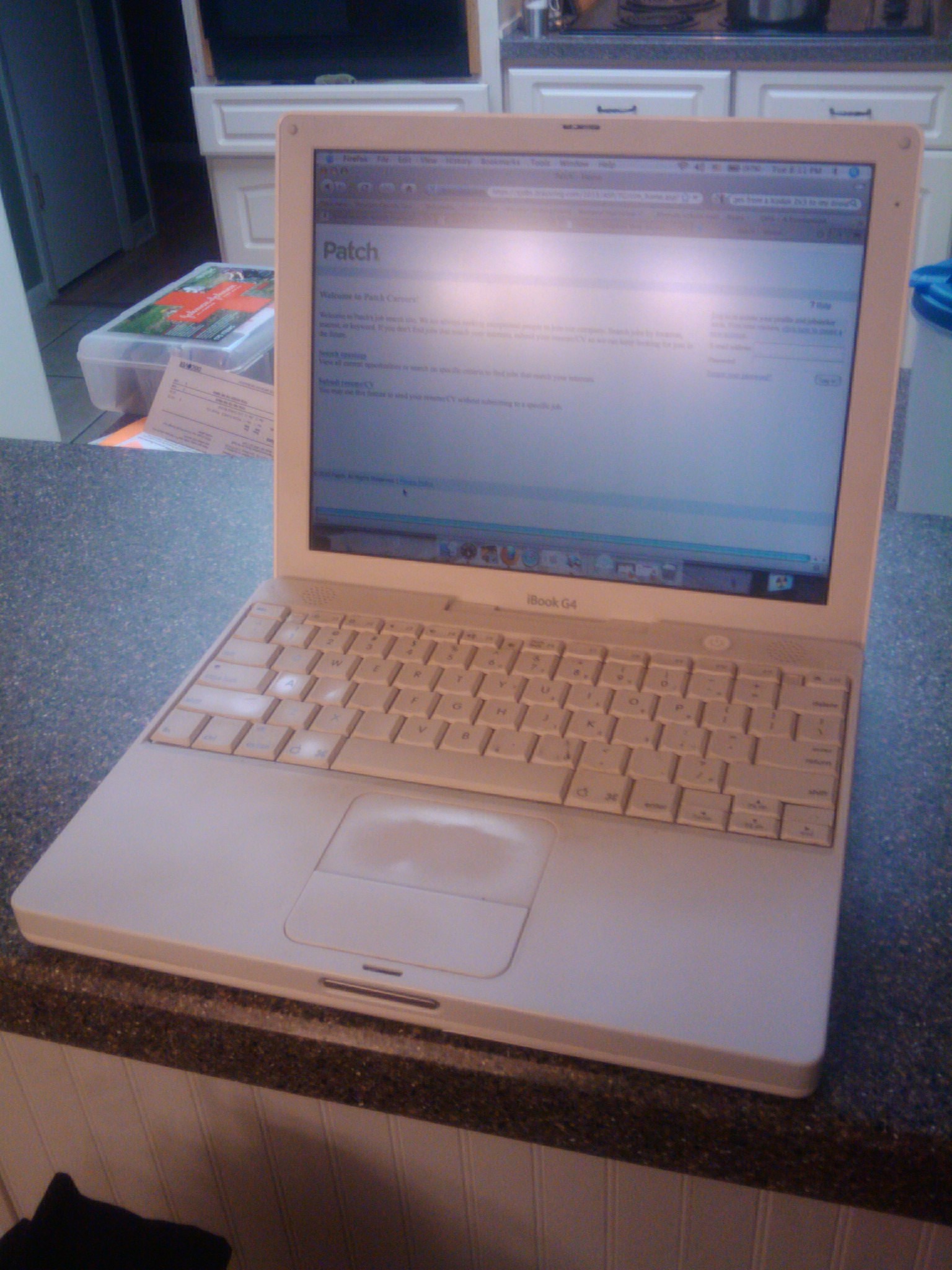
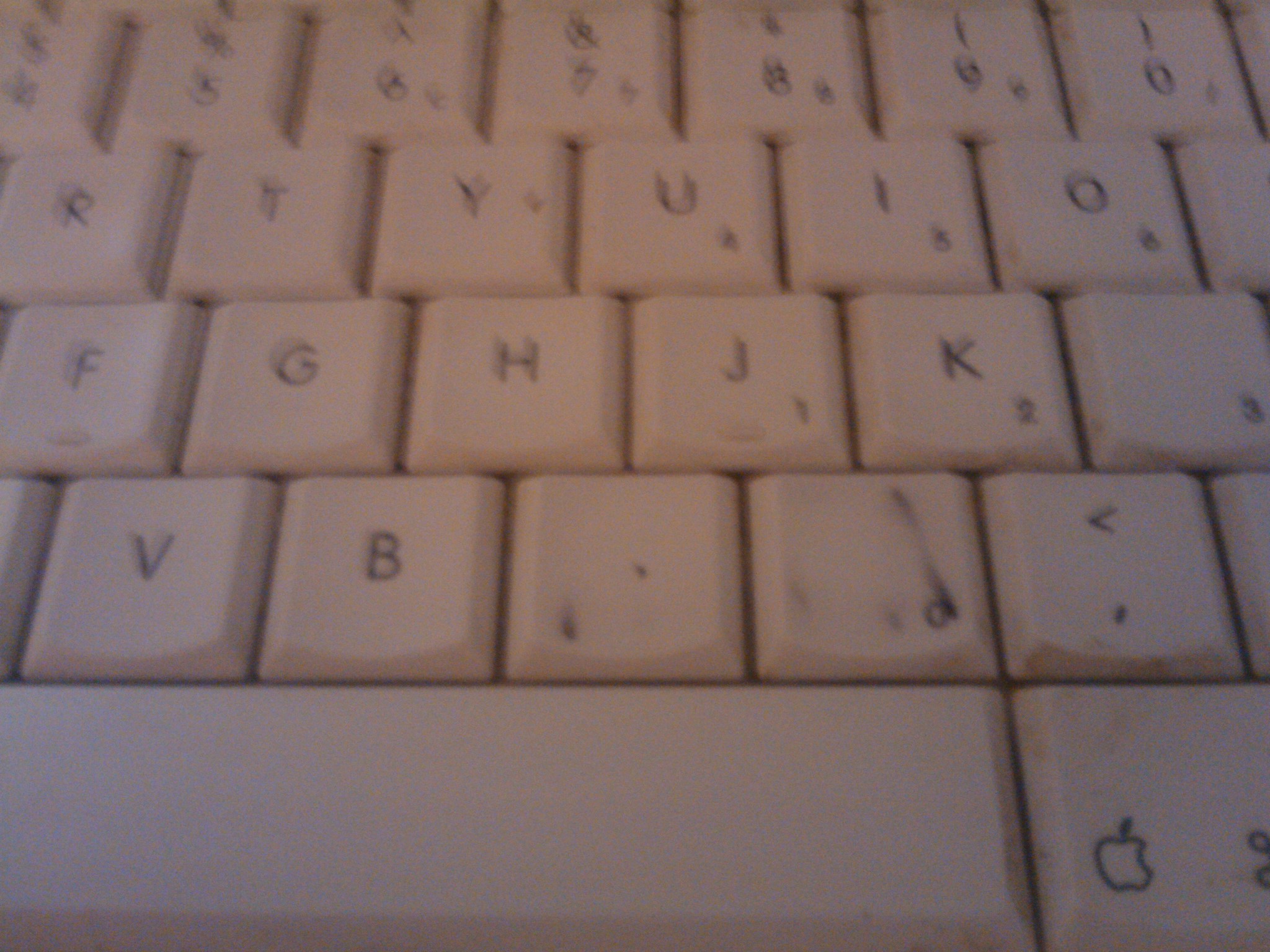
The main computer I use is this ancient (in computer years) iBook G4 my wife and I bought on Valentine’s Day back in 2004.  With a totally amped up 40 gb hard drive… well, it still runs.  We bought a little USB plug in drive with 500 gb  storage for us to move the family photos to. None of the big browsers supports this baby any more, so we’re kinda stuck with the last versions of the software out there.

We love to get the most out of our purchases… we’re probably on our third battery for this baby and we have literally typed the characters off the keyboard.  No fooling.

Fortunately, we recognized the need to upgrade the equipment last year, and we took advantage of a great deal on a new netbook computer over at Best Buy. Plus, with our sons getting more computer-based homework, well, we really needed something a little more modern.

This is the little Toshiba netbook computer. With all the bells and whistles, it came out to a tad more than $600, and it really does work like a champ.. once I got used to the smaller keyboard. It runs Windows 7 light, and it allows us the chance to use programs that the Mac doesn’t run.

One of these days, I would like to upgrade the Mac with maybe one of those newer MacBook pros. I’d love to get a little bit more into doing videos for Tom’s Workbench, but wow, the old Mac is pretty slow.

Until then, we limp on.  And, I am adding my new Droid phone to the mix as well, giving me more computing power.

I seriously doubt we will ever have the bleeding-edge latest computer equipment, but so far, we manage, and Tom’s Workbench gets posted on a regular basis.


Stuff I’ve built: The kitchen pantry

No, no post yesterday.  Instead of writing something for the blog, I spent the day cooking Easter dinner for 16 folks. My two sisters in law with their families, my in-laws and my mom and step dad. And, boy, did we ever eat. Roast lamb. Ham. Roasted potatoes. Two veggies. Two different kinds of salads. It was nuts.

And, when it comes to the kitchen prep in our house, we like to keep a lot of the staples close at hand. Different oils, vinegars, rices, pasta… the works.  This way, we can whip up a meal fit for guests whenever we need to.

Unfortunately, it wasn’t always so easy to store these staples. We had very limited pantry storage area in our kitchen – basically a linen closet in one hallway and whatever space we could eke out of our cabinets. Very tight and sloppy.  We needed a solution.

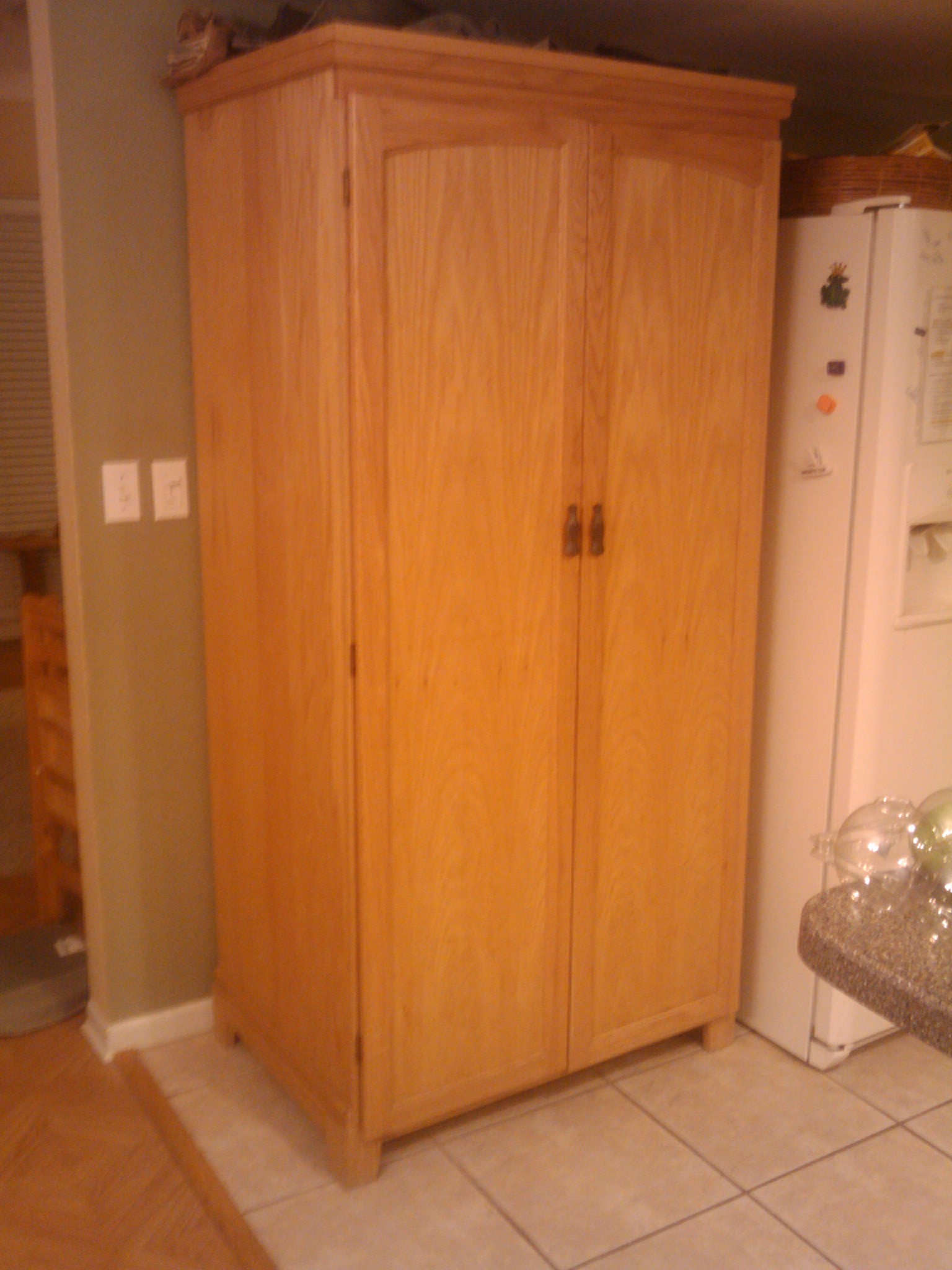
To help contain all of these goodies in one convenient place, I built this freestanding pantry unit for my house. Based on Danny Proulx’s design in his book Fast and Easy Techniques for Building Modern Cabinetry, it is a very simple yet useful design.

Basically, it’s a large cabinet built out of red oak plywood. About seven feet tall and 18 inches deep. Rather than sitting on the floor, I built a frame for the piece to make it look a little more graceful. The piece is held together with glue and pocket screws, and I built the doors for it. I figured the curved top rail would allow it to look a little fancier. It’s as plain as plain can be… but when you get into the inside, this is where the piece shines.

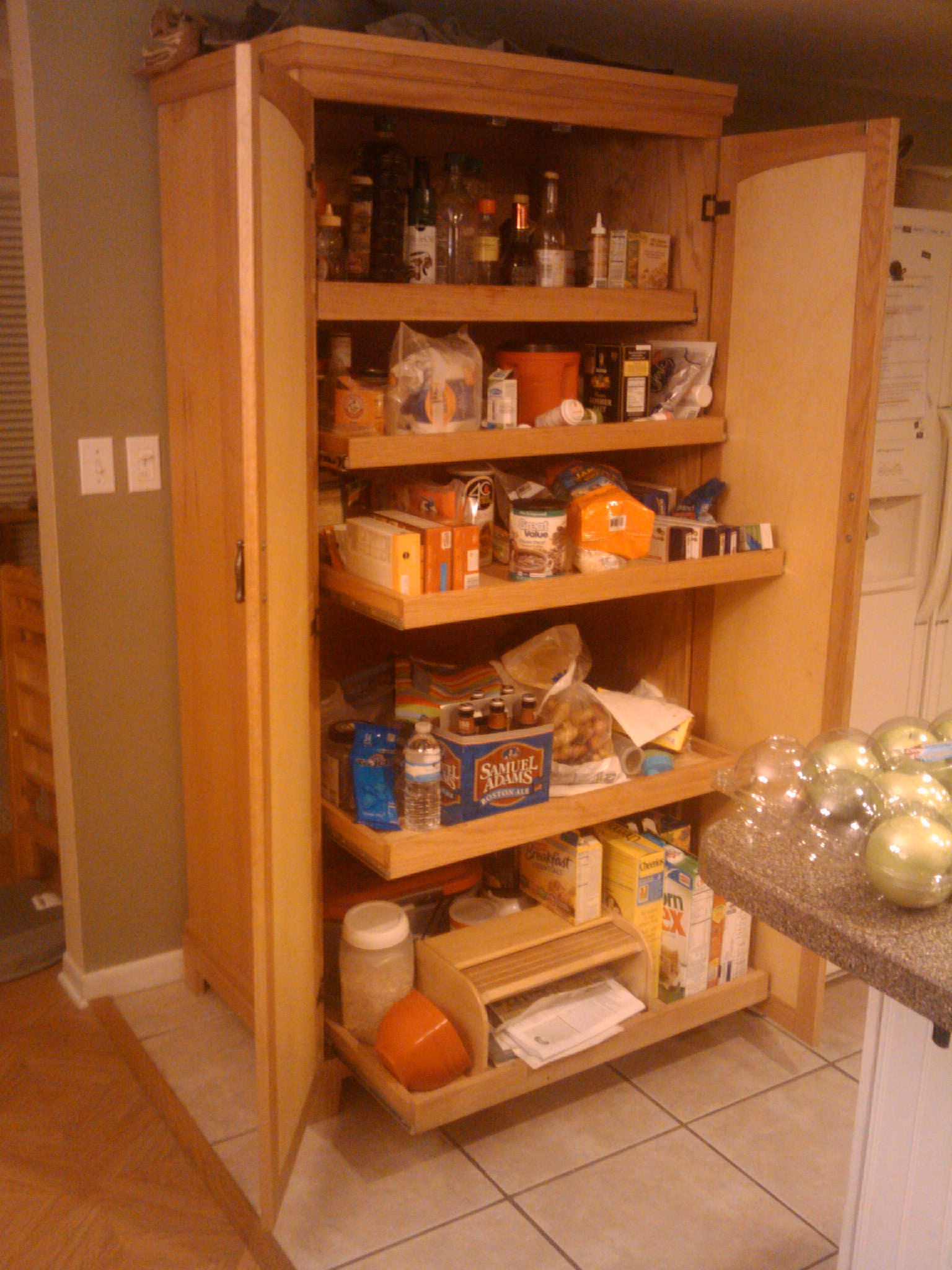
Inside, there are five full-extension heavy duty pull out shelves on runners that can handle 100 pounds each. This baby is designed for heavy lifting and ease of use. I built the shelves from pieces of 2 inch wide by 3/4 inch thick red oak runners with 1/2″ plywood grooved inside. The sides are held together with more pocket screws.  I purposely graduated the height of the drawers from the bottom to the top of the piece to allow for taller storage on the lowest shelf, and to restrict the number of canned goods that could be stacked on the upper shelves, preventing too much weight from being placed on one shelf.

The best thing about the piece is simply how much stuff it can hold. We store all kinds of goodies in there – the breakfast cereals, the bags of coffee, the large mega-retailer packs of pasta – the works. This way, we can stock up at the local membership clubs and keep all of those things out of the way safely tucked in the pantry.

This piece has allowed us some great flexibility in storage at our home, and we’ve had more than one visitor remark how they would like to get their own copy of the pantry for their kitchen.


Link of the week

eShoji

There is nothing quite as elegant as the simple, strong lines of Japanese Shoji screens.  These traditional room dividers are made to look delicate, but have incredibly strong joinery.

If you wanted to ever try your hand at making traditional Shoji, eShoji would be an excellent place to start.  Here, you can learn about the history of these decorative panels, discover the classic ways in which they are used and find the materials and resources you need to build your  own.