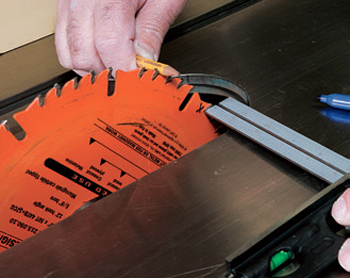
A table saw is a great tool for woodworking. It’s a real multitasker, cutting boards to size, molding profiles, joinery.. the works.
But, it has to be properly tuned and aligned in order to do its work properly. Otherwise, you can see burning, ragged cuts or other issues that you aren’t going to be happy with.
Some of the important tasks involve ensuring the blade is aligned parallel to the miter slots, the 90 and 45 degree bevel stops are dead on, the rip fence is square to the table and parallel… the works.
So, today, it’s time to answer the tough question… how frequently do you align the features on your table saw?
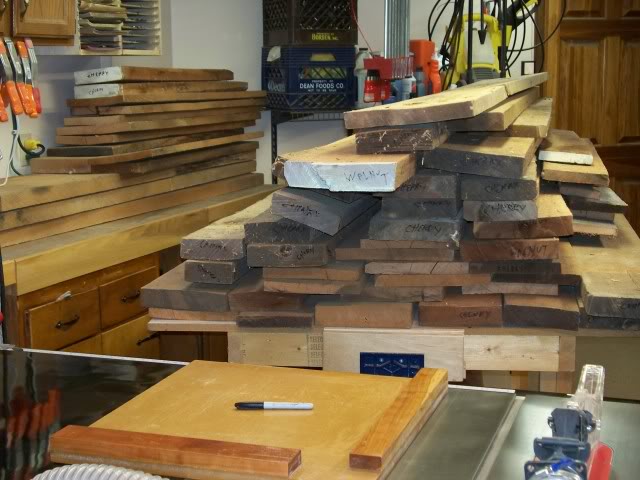
Many woodworkers buy the wood for their upcoming projects as they need it. While others, well … I wonder if there may need to be a wood hoarder’s anonymous chapter started in some cities. They have huge stockpiles of boards, lovingly bought for that dream project that they envision building sometime in the future.
Today, let us know what your wood storage situation looks like. Do you buy as you need, or do you stockpile for the future?
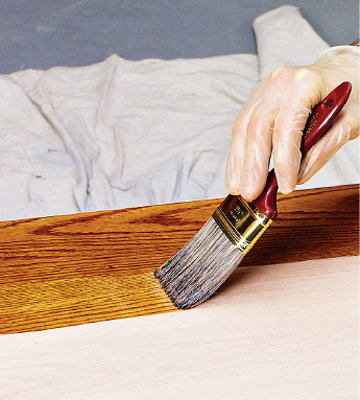
Back when I first started woodworking, I labored under several misconceptions. Sure, I could glue end grain to end grain. Every project needed tons of nails. And, most importantly, every single project had to be stained.
Yup. It was some kind of unwritten code that I couldn’t shake. I would go to the home center, pick up a can of stain and apply it to the project. It didn’t matter what I was building, stain was an important part. Kind of like putting icing on top of a cake.
Since then, I have discovered that no – I don’t have to apply it on every project, but I still do have the occasional use for it. Today, tell us what you think about pigmented stain and how you use it.
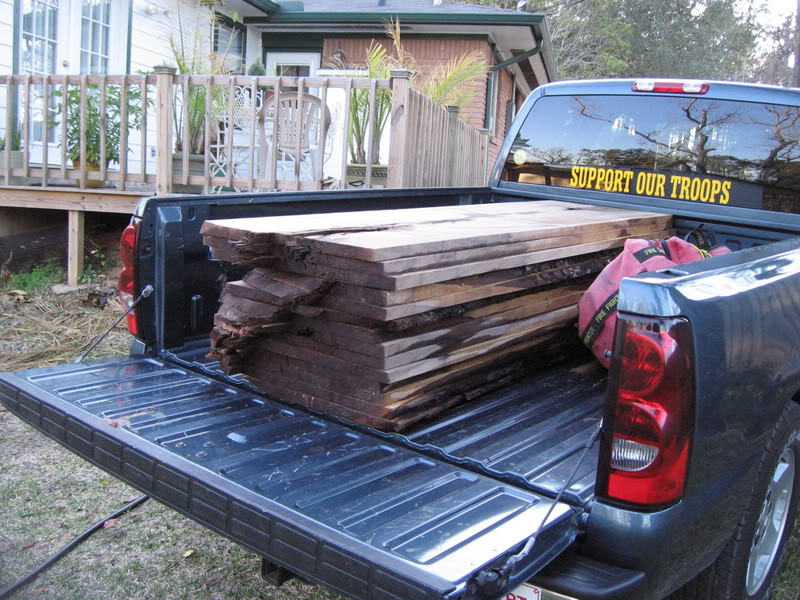
Some of the tales are legendary. “My two neighbors and I found out about this rare tree that was being cut into boards and we JUST HAD to have it. So, we loaded up the trailer and started a cross-country trek…”
Other woodworkers look locally, buying their wood from sawyers who cut trees that grew minutes from their homes.
Either way, when it comes to wood, we can be kinda crazy. That’s why this week, I want to know just how far you have ever traveled to pick up a load of hardwood (or choice softwood, for that matter) lumber. Remember, I’m only looking for the farthest you have ever traveled – not how far you would be willing to travel if the right board came along.
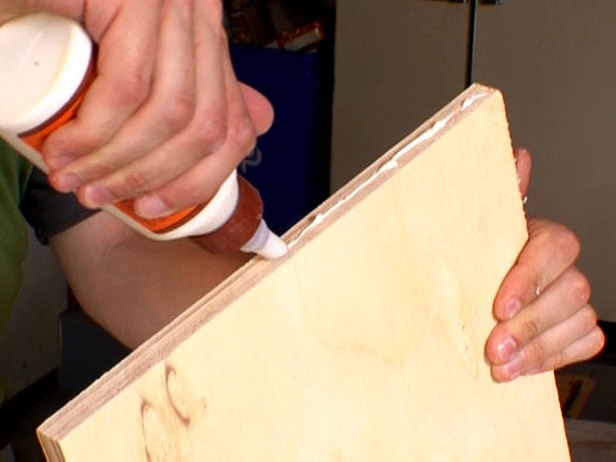
In your workshop, no doubt you use glues. And, for many different applications, there are different glues you have to use. Maybe a yellow glue for general work, hide glue for attaching small moldings without using nails, polyurethane glue for outdoor applications… the list goes on and on.
But, as you know, when you are at your workbench, there’s that one adhesive you turn to more often than any others. The one you know you are going to have to buy a new bottle of before you start that next big project. The first one you look for when you are ready to do that glue up.
This week, let us know which type of glue is your favorite to work with.
Welcome to Get Woodworking Week 2013. For the next seven days, I and many other woodworking bloggers are going to focus on writing articles and producing videos to encourage new woodworkers to stop thinking about woodworking and give it a try themselves.
And, it’s also only appropriate that we kick this week off on Super Bowl Sunday. So, if you are ready to tackle this week’s poll, let’s break the huddle and line up for the next play!
Regardless of what kind of hobby you follow, you have to identify a place where you can do what you do. If you like to paint, a nice sunny corner of the house is perfect. Want to become a home chef? A kitchen is pretty important. Bird watching? You have to get outside to go where they live.
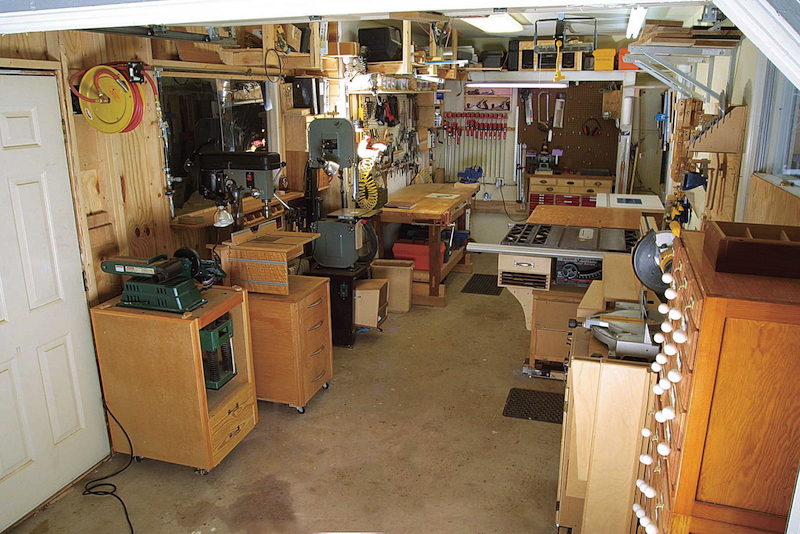
And, when it comes to woodworking, you need to identify a place to build projects, store your tools and contain the sawdust, chips and shavings the hobby invariably produces. Where that is can be different based on what your living arrangements are. Basements, garages and separate buildings on your property are common choices, but attics, spare bedroom and even rented spaces house shops. This week, tell us where your workshop is.. or you would like to have it!
Oh, and all week, I will be linking to great articles written by other woodworking bloggers. Here’s today’s haul from around the web:
In last week’s poll, we had a lot of feedback on red oak and your opinions about it. Somewhere in the comments, a woodworker mentioned that at least red oak had a little more respect than poplar. Which brings up a very interesting point…
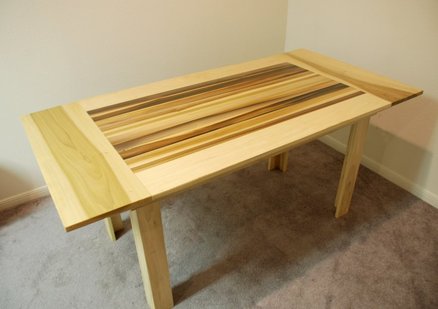
Poplar is (in many places) inexpensive, readily available and exceptionally easy to work with. It was the first hardwood I had ever worked with in my shop class in middle school. It comes highly recommended for beginning woodworkers – and those with more experience – to practice different woodworking skills (it shines for dovetail cutting).
But, wow, you don’t typically see a bunch of folks raving about their fine clear-coated poplar cabinets. Or, do they?