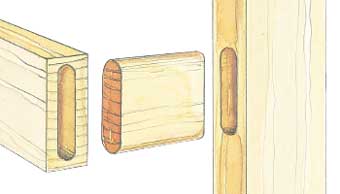
Not the two elements with mortises in them.. the thing in between them? That joins them together once you glue and clamp it?
It’s an interesting way to join two boards without creating an integral tenon on one of them.
But, what do you call it? I’ve seen woodworkers get worked up about different terms for it. They will argue their point all day long that a certain term applies, and none of the other make sense.
Salt and pepper. Laurel and Hardy. Macaroni and cheese. Some things are just natural partners. And, when it comes to woodworking, there are few partners as famous as the mortise and tenon.
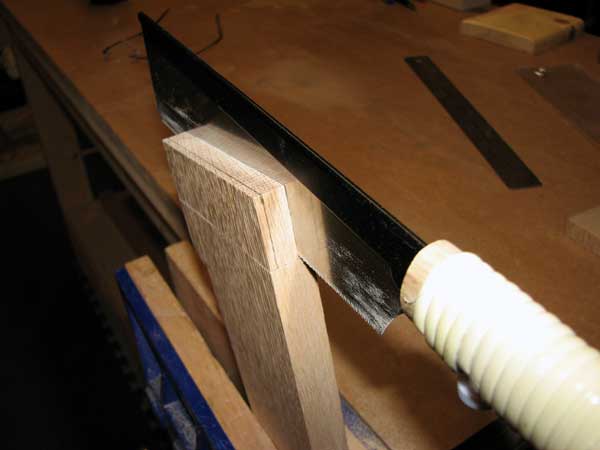
While cutting mortises presents its own challenges, cutting the tenon can be tricky as well. In this week’s poll – how do you cut your tenons?
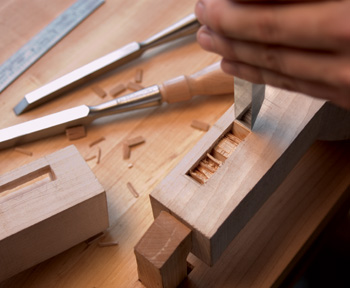
Mortise and tenon joints are time-tested, can withstand a lot of abuse and they are the basis for so many other types of joints (dowels, biscuits, etc.). For many woodworkers, figuring out how to accurately cut the mortise can be a challenge.
This week, let us know how you cut mortises. Are you a hand tool kind of woodworker, or do power tools find their way into the process?
Well, I’m back here at home in Florida after a whirlwind weekend of woodworking (I love the alliteration) at the Woodworking in America conference. And, the folks who were there LOVE their dovetails!
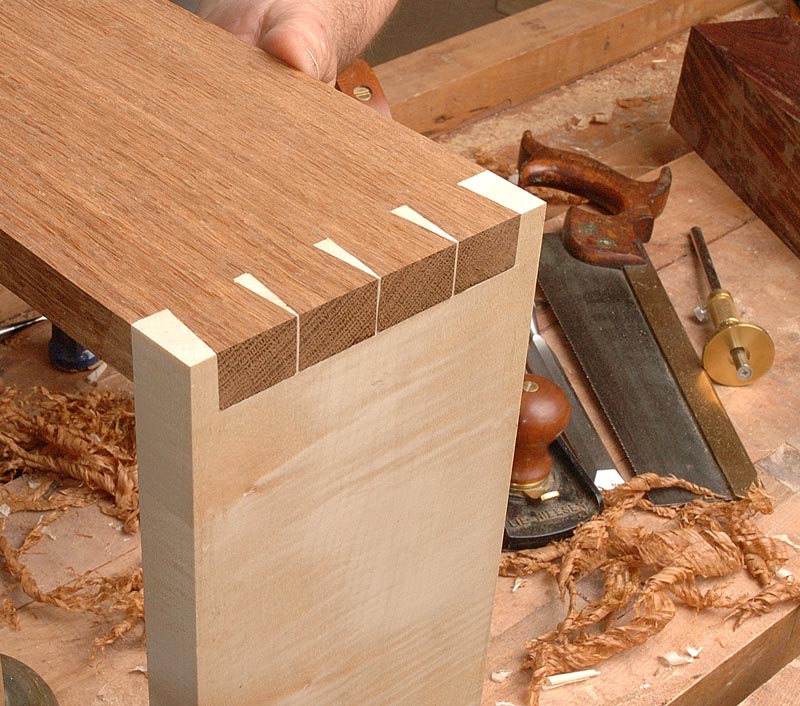
This makes me have to ask… how do you cut dovetails in your shop? Power? By hand? Or by some other mystical method?
Oh, and do I ever have a doozie of a dovetail post for you tomorrow!
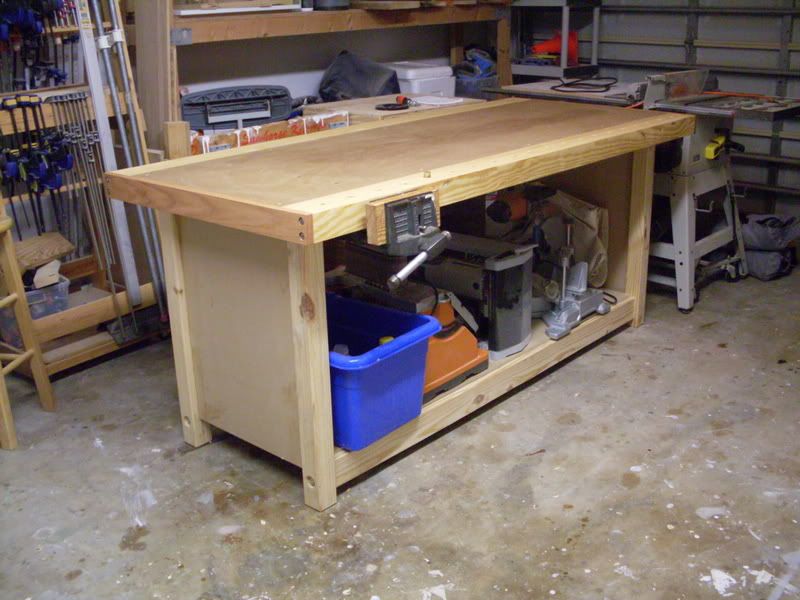
They are the first places we head to when we get to our shops. Whether it holds that first cup of joe in the morning, a delicate piece that needs to be fitted into a project or a massive piece that needs some joinery cut into it, your bench is the center of your workshop.
And, as that central hub in your shop, your workbench can play into just how much enjoyment you get from being in the shop. In some cases, the bench is a real pleasure to use. In others.., well…
This week, let us know just how happy you are with the bench in your shop. Is it the pinnacle of woodworking enjoyment, or does it make you want to turn it into kindling?
Simple woodworking projects are a lot of fun to build. They can be done quickly and build a lot of confidence. And, then there are more complicated projects. Ones that involve a lot of thinking, a lot of planning and a lot of tricky joinery.
For some woodworkers, this isn’t a big deal. For others, well, we need a little bit of help trying to sort out the building and assembly steps. Will we need special clamps or a fancy jig to make things happen?
Fortunately, there’s an easy way to get to the bottom of these questions – build a prototype. Using inexpensive pine, plywood and even cardboard can help you get an idea of the building challenges and the overall size and proportions of the project.
Today’s question – which comes from our friend Allen Grayson – do you build prototypes of your projects?
OK, so you like to build furniture. But, just how much?
I mean, do you build everything for your home, or do buy furniture? Is there ever a time that you will buy a piece of furniture, or do you just go out and build everything yourself?