One of the skills I hope to master is wood carving. Sure, I did a little of it on my niece’s Confirmation box, and the medal rack saw some ‘carving-like’ features – but, being able to look at a block of wood and make something out of it, gosh.
Fortunately, talented carvers like Grant McMillan have taken the time to post their work and their instructions online. From carved embellishments on larger projects to full-on carving in the round, Grant’s work is truly a pleasure to look at.
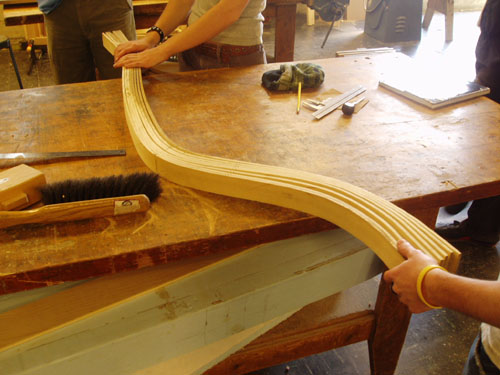
How many different ways can you think to bend a piece of wood? Sure, there’s steam bending. And bent laminations. And cold bending. And… well, there are lots of different ways to bend wood.
One of the most complete sites I have ever seen is this one. The author doesn’t just list the wood bending methods, he goes into detail about why they work, what equipment is required to do this and the best way to succeed. It’s an impressive and thorough collection, and worth a visit for sure.
Hand tool woodworking, once a skill on the decline among woodworkers, has seen a tremendous renaissance over the past few years. High-quality tool manufacturers have teamed with knowledgeable craftspeople to rediscover the skills and to pass the knowledge to others.
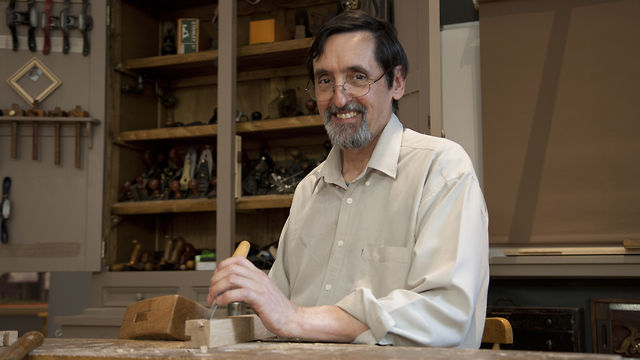
One of the people at the forefront of this effort is Paul Sellers. His teaching at woodworking shows and schools – as well as his informative blog – help to bring the magic of hand-tool woodworking to eager students looking to master these once-ubiquitous skills.
Tools, techniques and projects are covered on the blog in great detail, and you can check out where Paul will be instructing next.
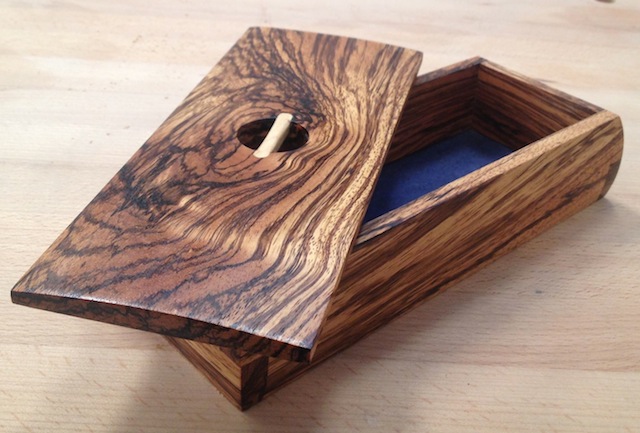
Deep in the heart of Tampa works a talented woodworker. His name is Kurt Raschke, and if you haven’t heard of him yet, now is a really good time to look him up.
After working the daily grind, Kurt decided he had enough of the rat race and started his woodworking career. Since then, his work has been presented in galleries across the country, he has spoken at several conferences and workshops and is now currently the artist in residence at Infinity Cutting Tools. At Infinity, he also teaches the woodworking classes offered a the company’s woodworking laboratory.
Kurt’s approach to projects is they should be as fun to build as they are to look at in their final location. I think you will find his work entertaining.
Since the invention of photography, woodworkers have wanted to take pictures of their projects and show them to prospective clients, friends and family or for other purposes. And, with the advent of camera phones and social media, it’s easier than ever to share a few snaps.
But, what’s the best way to get your projects looking great when you snap the shutter? Three Seasons Woodturning offers this great tutorial on composition, lighting and photo editing software to give you the basics on how to to make those photos real show-stoppers.
After all – you have spent a lot of time building and finishing your project. Why not take just a few moments to learn how to make the pictures of it look their best?
Yes, this video and article by Steve Ramsey of Woodworking for Mere Mortals is a few years old, but now is a good time to remind everyone about the problem of woodworking scams and plan priacy.
There has been a recent uptick in the number of sites offering thousands of woodworking plans for dirt cheap prices (usually bundled as 10,000+ plans for $39). While this sounds like a tremendous deal, there are a few problems. First, you don’t really get 10,000 plans. You get considerably fewer plans than that, and most are merely measured drawing with no instructions or are scans of such poor quality you can barely read them.
It is also theft.Yes. Scanned right out of the pages of woodworking magazines, taken from websites and lifted from books. The publishers of these sites don’t get permission to reproduce these plans. By supporting businesses such as these, it is a major disincentive for publishers to seek out new, talented woodworkers who pour their energy into creating new works. After all, don’t the people who work hard to produce these works deserve to get paid?
Shady DVD guy photo courtesy of Wood Magazine
I also wrote an article a few years back in Wood Magazine called Monkey Business, which covers the experience that I had buying the package to see exactly what you got when you ordered.
I understand that many people may not be flush with cash to buy collections of professionally produced plans. That’s why it’s a much better idea for them to check with their local libraries and woodworking guilds to see if they can borrow woodworking books and magazines which may feature plans that interest them. By doing this, it will encourage libraries to expand their woodworking holdings and further the mission of the woodworking guilds to bring new people to the craft through personal connections.
***Tom’s Edit***
Steve also pointed out he did a series of videos on Ted and company. This is an education on how this multi-level marketing scam works. If you have ever considered wasting your money on one of these schemes… don’t.
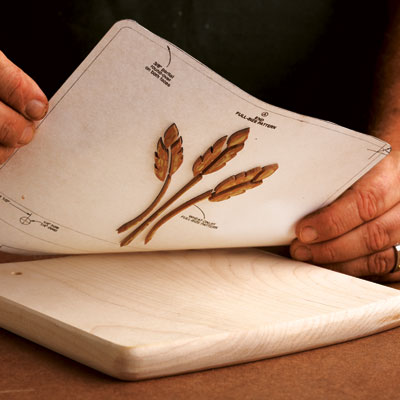
When most woodworkers think about accentuating their work, they think about carving or inlays. But, did you know that you could apply decoratively cut wood onto the surface of your project and get good looking results?
That process is known as onlay, and Wood Magazine has a great how-to page on the process. From cutting the designs to attaching them to the project to accentuating the look, the process is described in detail. The page even offers a design for use on your next project.

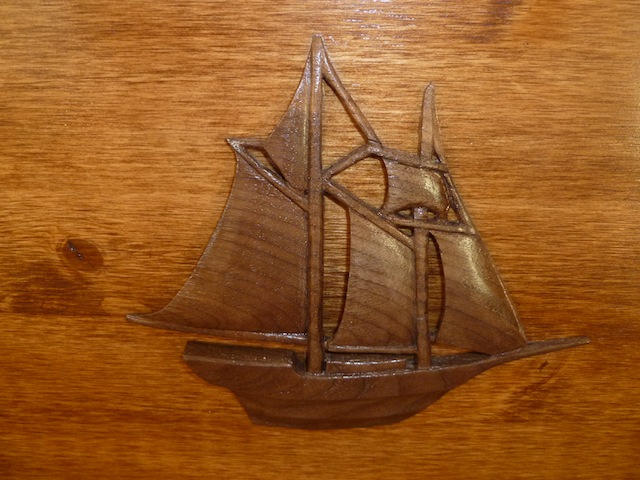 Fortunately, talented carvers like Grant McMillan have taken the time to post their work and their instructions online. From carved embellishments on larger projects to full-on carving in the round, Grant’s work is truly a pleasure to look at.