It’s happened to all of us. You are working from commercial plans or a cut list of your own devising. You follow the plans closely and make all of the cuts.
But, when you move on to the assembly process, you accidentally glue a piece in the wrong place. For me, I usually discover this accident when I get farther down the road on the assembly process and have to break the pieces apart or cut new ones. Drats!
Fortunately, most woodworkers make this mistake once, then turn to a method of carefully marking the pieces to ensure it never happens again.
This week, let us know how you keep track of the pieces in a complex project. Do you use the tried and true cabinetmaker’s triangle or something else?
Woodworkers love to build new projects. Some designs are cutting edge, while others are authentic reproductions of historical pieces. If we didn’t build stuff, would we be called woodworkers in the first place?
However, as people who have the woodworking know-how, there are some projects we are asked to turn our loving attention to. For instance, there may be that old rocking chair whose joints loosened up after decades of use. Or that dining room chair that an energetic diner may have broken after reacting to a particularly funny joke. Or the side table that the dog knocked over, breaking a stretcher. Veneer lifts. Worn out drawer runners.
This week, I want to know if you have ever had to fix an antique piece of furniture. Was it a simple repair you made with confidence, or was it more of a white-knuckle affair as you carefully replaced parts of the piece?
When it comes to building woodworking projects, there are many ways you can go. Complicated or simple. Large or small. Utilitarian or decorative.
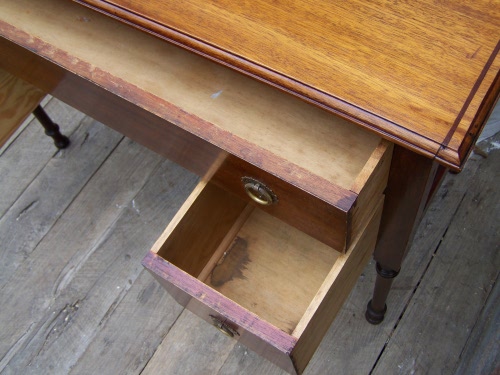
One of the more ubiquitous features you may see on a project are drawers. Dressers, desks, tables and other furniture can have drawers both big and small. From delicate drawers found in roll top desks to beefy utility drawers in a kitchen cabinet, they come in a wide variety of sizes and materials.
This week, have you ever built drawers into any of your projects, and how do you feel about them?
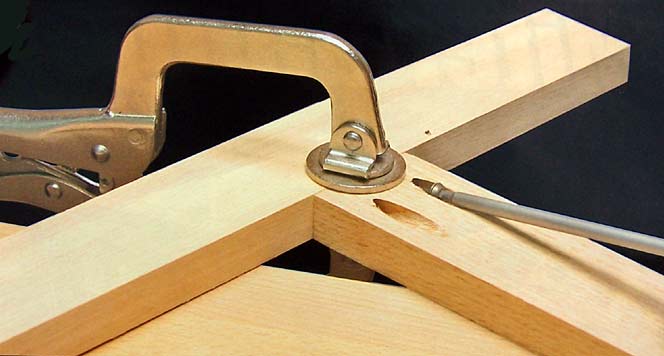
Ever since Craig Sommerfield brought the first practical pocket hole drilling jig to market back in 1990, woodworkers have been turning to these fast and convenient joints for projects. And, if you listen to the marketing folks at Kreg Tools and other jig manufacturers, it would appear that you could build an entire set of kitchen cabinets in mere hours.
While the joints are easy to make and quick to assemble, many woodworkers question just how effective they truly are. This week, what do you think about pocket screw joints?
Dovetail joints are a classic way to join the corners of a project. They look timeless and offer great strength.
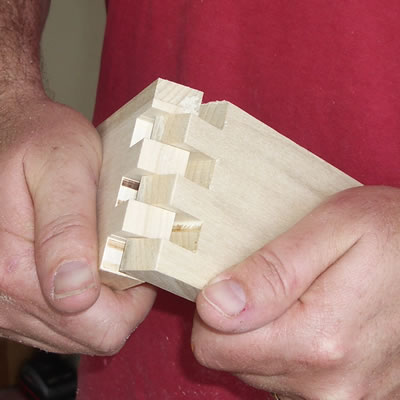
As mass production of wooden pieces came into play, manufacturers found it easy to lose the slope on the pins and tails and modify the joint into a box joint. This was used on utilitarian projects as well as finer furniture and still remains an option for woodworker today.
Just as with the dovetail, there are many ways to make a box joint. Table saws, routers and even hand tools can form the interlocking fingers and make a strong and attractive joint.
This week, let us know what is your preferred method of cutting box joints.
Most of today’s lumber you can buy is pretty narrow when you compare it to the stuff pulled out of the virgin forests more than 100 years ago. Entire table tops could be made from one board.
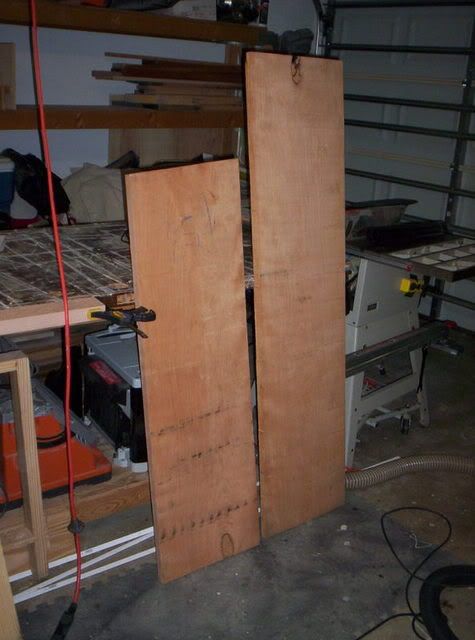
That’s what makes wide boards such as these two 16 ” wide cherry specimens something very special.
When it comes to using them, there are two schools of thought. One is to use the board as is in all its glory. The other us to rip the board into smaller widths and glue it back together to reduce the likelihood of warping.