A monk asked Zhaozhou, “What is the living meaning of Zen?” Zhaozhou said, “The cypress tree in the yard.”
Wilbur Pan is a gifted woodworker. From his workshop in New Jersey, he creates tremendous projects with a distinctly Asian flair.
Photo courtesy of Nik Brown – digitalwoodworker.com
His blog, Giant Cypress, is a great place to come for sound advice on his collection of Japanese tools, treatises on wood selection and working methods and links to a rich array of woodworking knowledge.
Wilbur also likes to link to a number of other sites that will make you stop and think, and he also posts many of his witty observations for readers.
In addition to running the site, he’s also one heck of a funny guy. Visit his site, I’m sure you will be happy
This one came to me from Linda Rosengarten, the silent partner behind the Ron Hock empire. Thanks, Linda for the link!
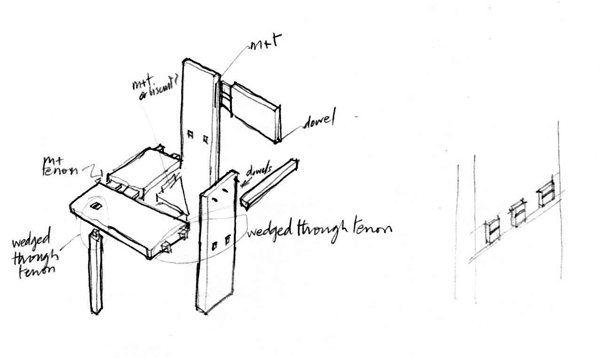
When you think about it, woodworking design is part science, part art and pure magic. This site, run by woodworkers Rebecca Yaffe and Laura Mays, details the entire life cycle of a chair. The process runs from the first ideas of a sketch through CAD design, prototyping, wood selection, joinery and the other fine details of construction.
Even if you have no desire to design a piece of furniture on your own, this site is definitely worth a look. You will come away inspired…
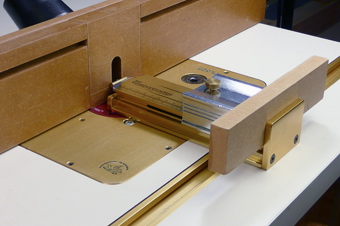
A few years ago, I was given a Groove Center tool which – as you might imagine – helps set your router to cut an accurate centered groove in the edge of a board. It also helps you set up a cut for a lock miter bit… something I didn’t have a lot of success with (Because operator error is always an option)
Well, Sjoerd van Valkenburg, the creator of the Groove Center and very handy two axis depth gauge, has started his own website for his company Valfor Tools. There’s a ton of information on how the tools work, how lock miter bits work and other important topics that can help you get more accuracy in your woodworking. Right now, he’s offering the two tools at his site, but he’s a creative guy, and he’s working on his latest inventions.
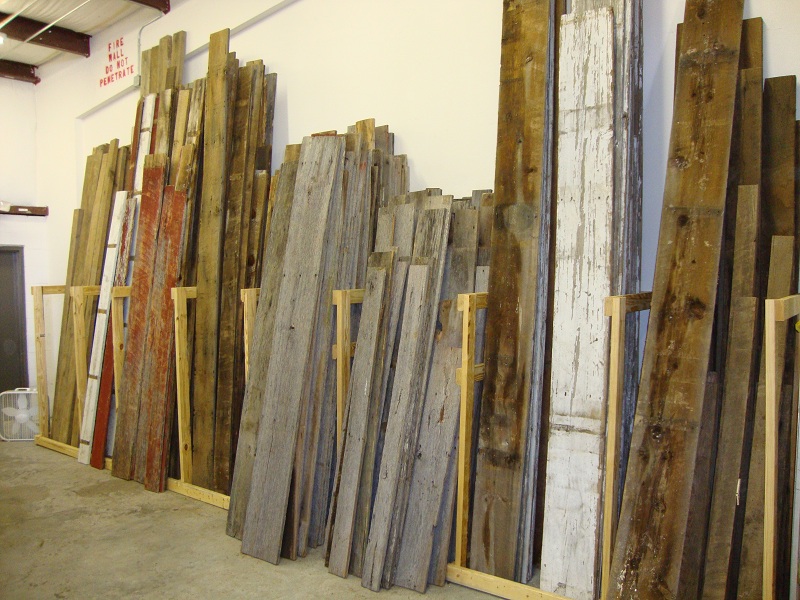
Sure, when you visit this week’s link of the week, it appears to be taking you to a custom furniture shop. But, that’s only seeing the tip of the iceberg. You see, this central Florida operation deals extensively in reclaimed lumber… and, boy, do some of those boards have a story to tell!
Whether harvested from the bottom of lakes and rivers where it sank many years ago, or culled from barns and other old outbuildings located throughout the south, these old growth or second cut boards exhibit tight growth rings and characteristics difficult to find in today’s lumber. Besides, if you ever wanted to try a special project made of difficult to find American chestnut, reclaimed is the only way to go.
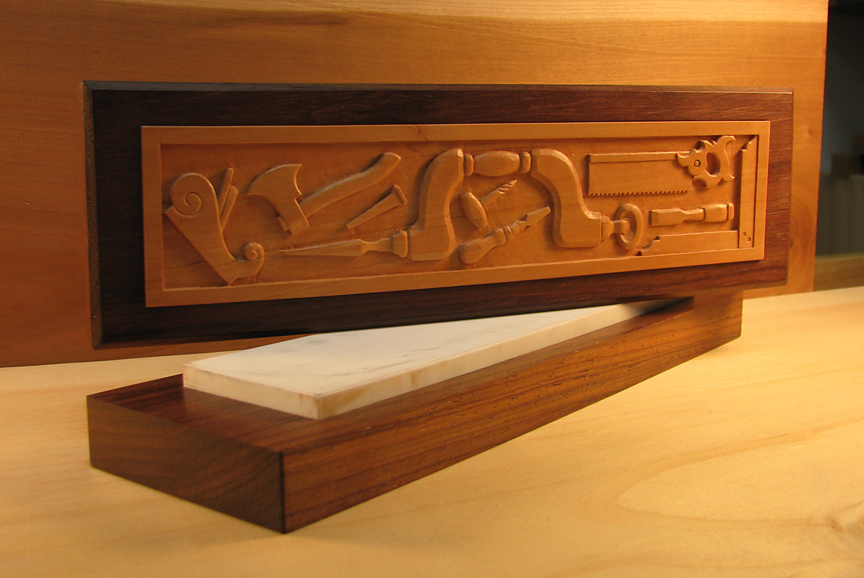
Since I joined the St. Petersburg Woodcrafters Guild, I have seen some incredible carvings up close and personal. Add to that seeing the impressive work of Kari Hultman and others and – boy – all I want to do now is carve. But, where on Earth to begin?
That’s why I’m happy this how-to page was created by the folks at Chipping Away. It gives a great primer on different types of carving styles (from delicate chip carving to carving in the round), an interesting perspective on how old someone should be before taking up the craft and links to tools to accomplish the different styles of carving.
It’s an interesting place to begin if you are interested in doing some carving on your own.
Looking for personal protection equipment to wear in the shop? How about a new motor for that old table saw your grandfather left you? A new cordless drill?
Did you know there is a place you can go to find all this stuff? Grainger Industrial Supply has all of these parts – and millions more. I ran into one of their reps this week at the Governor’s Hurricane Conference, and he showed me the catalog of the stuff they offer… Boy, was that one thick book! They are worldwide, have locations all over the place and have all of those oddball pieces of hardware you can’t seem to find.
(Hey, folks, please take the opportunity to read my editorial statement at the head of Monday’s column. There are several points of clarification that need to be read.)
Back in the days when items shipped in wooden crates, many woodworkers got their start building projects out of that packaging material. With cardboard replacing wooden crates, there is still one excellent resource for finding project wood on the cheap – wooden pallets.
This green online green site offers some interesting inspiration for projects that can be built with recycled shipping pallets. From the whimsical to the uber-practical, readers can find all types of links to plans to turn trash to woodworking treasure.
Sure, there are several standard caveats when dealing with pallets:
They may belong to a shipping company, so ask before you take them!
They are typically assembled with a bajillion staples and nails, so be sure to go through them carefully to ensure you get all of the metal out before you start to work
They are also usually filled with all kind of grit which can easily dull your blades. Clean them thoroughly with a wire brush and a blast of compressed air to dislodge the worst of it.