
 New York City is known as the City that Never Sleeps. The incessant lights, activity and electronic chatter could lead one to believe that NYC is constantly on the move, flying away from tradition at warp speed.
If you think that’s all that’s at the heart of the Big Apple, you would be terribly mistaken. Find a good deli that makes its own pastrami the old-fashioned way. A green grocer sacking tomatoes and other fresh veggies on a street corner. And, after seeing the sights, be sure to stop in at Tools for Working Wood.
“What’s that?” you ask. Well, Joel Moskowitz, the owner of the tool shop in Brooklyn, owns and operates a company that’s moving forward by looking back. Back on April 1, 1999 – no, it wasn’t an April Fool’s joke – Joel opened the shop and started offering some classic tool designs for sale to the regular woodworker. Today, the company he founded is closing in on its tenth anniversary.
 The company’s world headquarters is located in the Bush Terminal Market – a giant warehouse facility built in 1907 to service the Brooklyn docks. Now also known as Industry City, it is home to lots of warehouses and a fair number of woodworking shops. The surrounding area is known as Sunset Park and is also on the edge of Green Wood Cemetery – which is considered one of the most beautiful historic cemetery parks in the nation. Joel even gives direction from the local subway line. Just take the D, M, N or R line. And, don’t come too late. “The freight elevator stops running for the lunch hour and at 5 p.m. If you are still in the shop, you’ll have to walk down the stairs to get out.
Tools for Working Wood focuses on offering a core of high-quality tools for sale to woodworkers far and wide. “Sure, we stock the Festool line and some other power tools, but we love to carry the hand tools. We are very happy to be in the hand tool revival movement.”
 For a guy who started woodworking at the local ‘Y’ back when he was seven, Joel has a keen eye toward the history, design and function of classic hand tools. In 1996, he and a partner founded the online Museum of Woodworking Tools, an online showcase of old woodworking tools from shops across the country and the world. “I love the way these old tools look, feel in the hand and function. In many ways, they can work just as fast – or even faster – than power tools and give the user more connection with the wood.”
This love and appreciation for hand tools – honed through the museum and the countless books he has read and antique tools he has handled – helped spur the development of the Gramercy Tool line. For those of you not from the Big Apple, the tools are named after the Gramercy neighborhood, a quaint, historic residential district just down the street from the Empire State Building on the island of Manhattan.
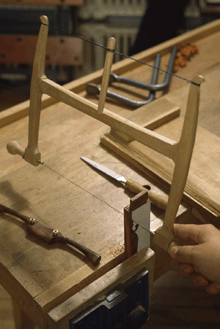
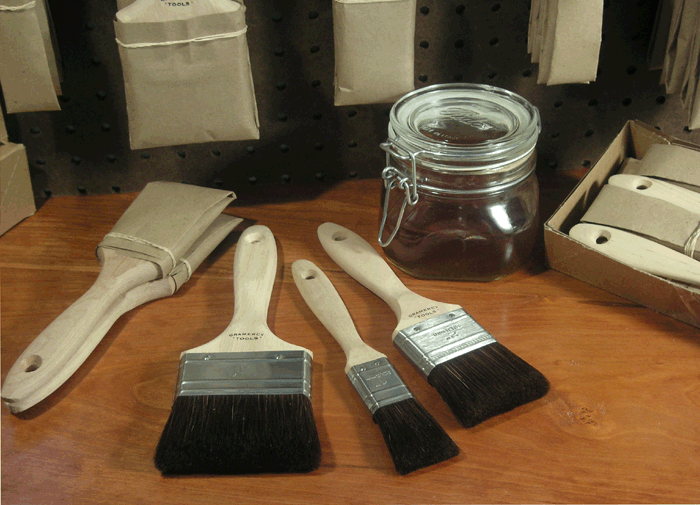
In these tools, the true art of the tool makers is brought to life. Whether in the hand-forged heads of the hold downs, the sinuous curves of the bow saw or the gleaming blades of the dovetail saws, every detail is carefully considered before it gets added to the final tool. “We make the tools here in the USA, and in New York City as much as possible. Our recently-added line of high-quality finish brushes is made entirely within the city.”
 While these works of art are appreciated by such notable woodworkers as Frank Klausz, the clientele doesn’t just contain the luminaries of the woodworking world. “You might be surprised with the range of woodworkers we work with. Sure, we have the masters who need a specific tool, but we also get lots of beginners just starting out and some average professionals who need high-quality tools to get stuff done fast.”
New York City is one of the oldest and most storied cities in the United States – craftsmen have plied their trade in the city for the past 400 years. When asked what working in this historically and culturally significant city, Joel answered, “It’s great! There is a core of high end professional shops that help support our efforts, museums and libraries to help with research and there is a wonderful pool of skilled labor. Also I think NYC has the best overall customer service on the planet so it’s easy to learn how to do customer service. OK, we may be far from perfect, but at least we have good local role models to try to copy.”
And, that kind of historic thinking and return to the roots of the craft is what keeps Tools for Working Wood surging ahead into their second decade
 However, when you get into entertainment centers, kitchen cabinets and other projects, doors become important design elements. I was terrified when I had to build my first doors, but that was the easy part. Selecting the hinge hardware was actually one of the tougher decisions I had to make.
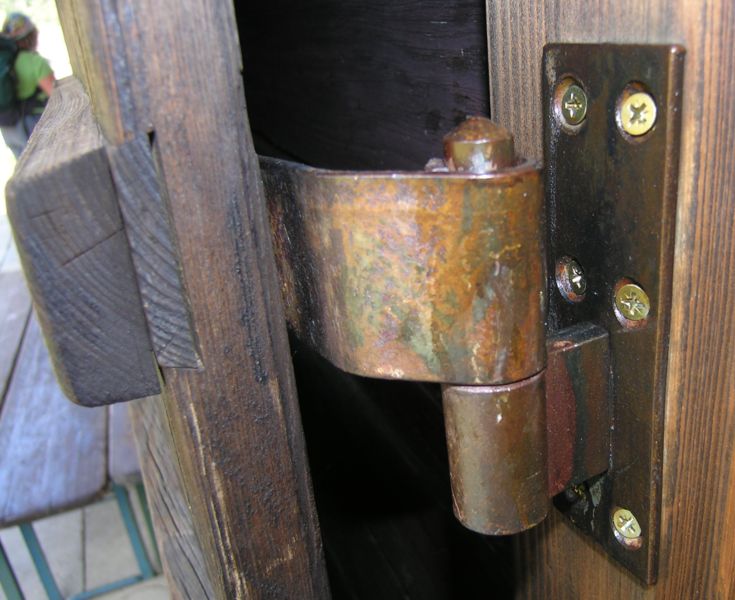
 As building techniques progressed, more sophisticated hinge designs came into play. The technology to forge bronze, then iron, gave builders a wider selection from which to choose. The hinges forged by these smiths were both beautiful and durable, and can serve archaeologists well in helping to identify the date a particular structure was built.
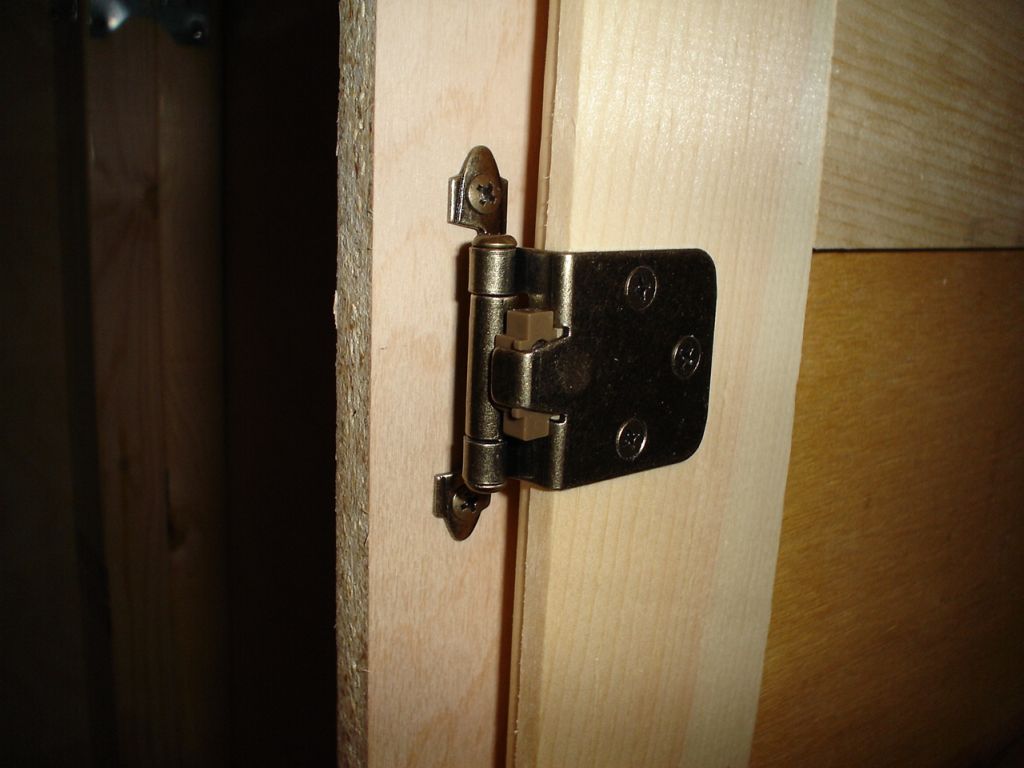 Whatever style of hinges you decide to go with, you will want to follow the instructions very carefully. Each has its own unique layout concerns and issues. And, it doesn’t take much for the hinges to get out of line and cause binding. And, believe me, you can spend a day and a half trying to correct incorrectly installed hinges. Been there. Done that. Got the T-Shirt.
 Some are huge. Cavernous. You may need a road map and a GPS device to find your way around in them.